To understand the short legs of a Cardigan Welsh Corgi, picture where the dog worked in a Welsh cattle herd. On the way to pasture or market, the Cardigan followed close behind the cattle, nipping at their heels to keep them moving. Its low build put the heels within reach and helped it dodge a backward kick. On long drives, the dog had a second job once the herd stopped for the night. It stayed on guard. A family walking with a Cardigan today may catch glimpses of both abilities in its brisk stride and the attention it pays to its surroundings when everyone stops.[1]
A side view is a good place to start when identifying a Cardigan. Look at the depth of the chest, then follow the outline back to the hind legs. The long body sits close to the ground on short, sturdy limbs. In the snowy portrait below, the brindle dog's raised tail is visible from base to tip. Britain grouped Cardigans and Pembrokes as one breed until 1934. The long tail offers a quick clue to the Cardigan's identity. The deep chest, low center of gravity and strength in those legs give a fuller picture of this cattle dog.[1]
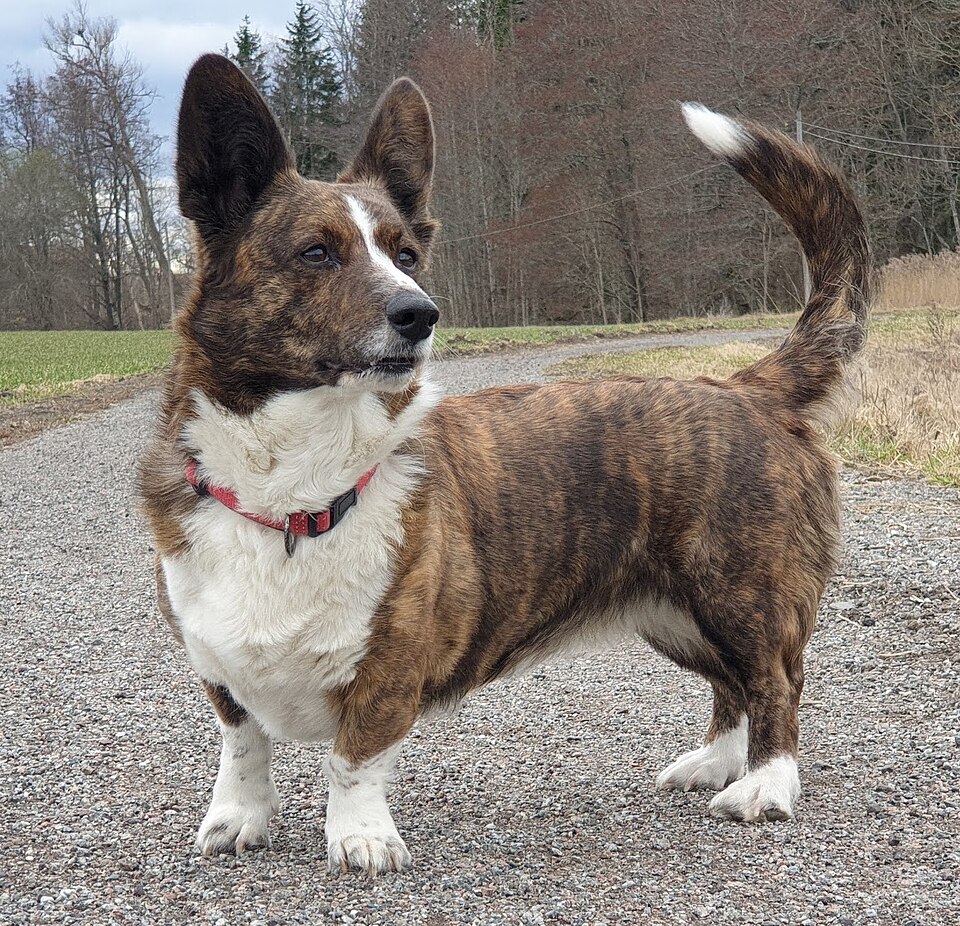
Figure: The Cardigan in profile. GrzegorzWicher, Wikimedia Commons[2]

It is easy to underestimate how much ground those legs can cover. The American Kennel Club (AKC) describes an agile, athletic dog that can join a hike and also enjoys a quiet evening at home. Think about an ordinary workday. Who has time to head out with the dog, and where nearby can they walk at an easy pace? Even a familiar loop has room for variety. Give the dog a stretch to stride out, turn down a side street to explore the scents along a grassy verge, then find a level patch for a game of ball before heading home.[1]
A good place to pause may be a little way back from the busiest part of the street. A watchful Cardigan can take in a passing stroller, jogger or dog from there. Give yours time to look, then move on when it turns its attention back to you. When choosing a route, look for spots where you can step aside and quiet corners where you can linger. One dog may be keen for another throw of the ball. Another may want to lie down and watch. How yours responds can help you decide how to finish the outing.[1]
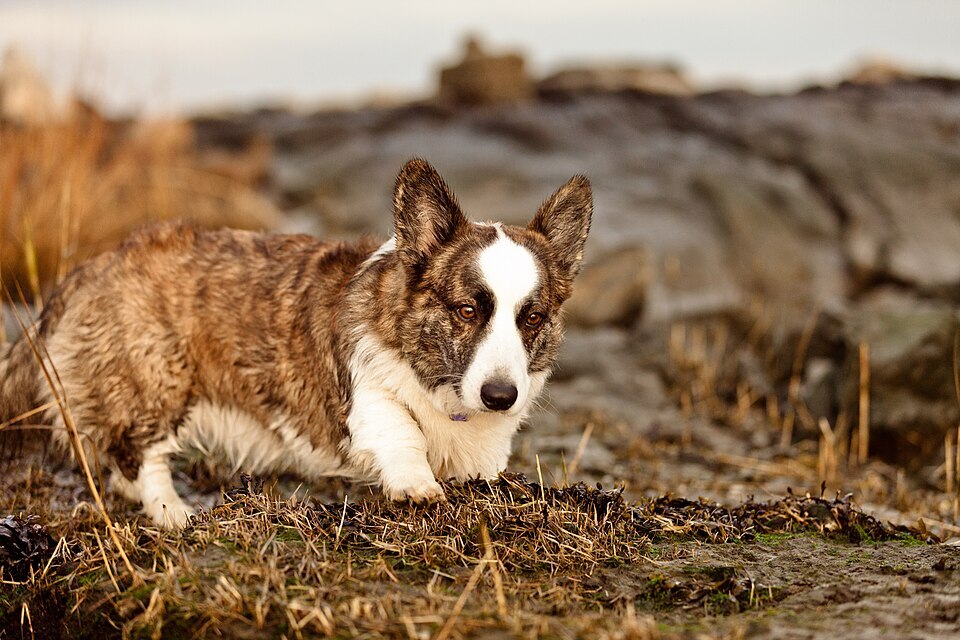
Figure: A Cardigan resting in grass. FatFairfax, Wikimedia Commons[3]

Cardigans learn readily and have a surprisingly loud bark. If your front door opens onto a shared hallway, footsteps outside give training a practical purpose. Teach the dog what to do when it hears someone pass. Start while the hall is quiet. Call the dog's name and practice having it turn and follow you to its mat. Once the sequence is familiar, try it when someone walks by. Adults and children can use the same cue. The AKC encourages the whole family to take part in training classes. If a behavior keeps causing trouble, describe when it happens to a qualified trainer who can guide your practice.[1]
In a home with children or other pets, leave room for everyone to get acquainted. Well-socialized Cardigans often enjoy children's company and get along with other animals. Gentle introductions to people and places can begin in puppyhood. An adult dog moving house or meeting a new family member deserves time to settle in, too. When a child first visits, for example, give the dog a resting place where it can see familiar people without being crowded. The child can join an adult in calling the dog over. If it walks away, let it rest.[1]
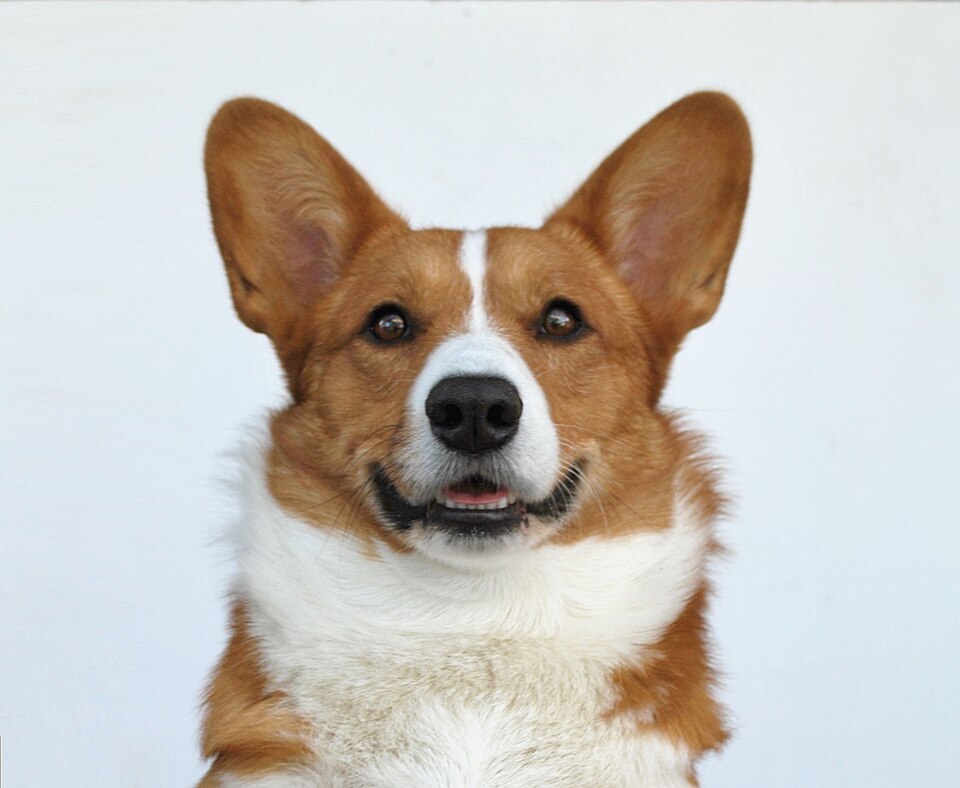
Figure: The Cardigan's ears and facial markings. Absintalsem, Wikimedia Commons[4]

Walk through the house along the routes a dog would take. Are there stairs between its bed and the room where everyone spends the evening? Can it settle beside you at floor level, or would it climb onto the couch and leap down at the sound of the door? The AKC advises protecting the Cardigan's long back by avoiding stairs and jumps from beds and sofas. A mat beside a favorite chair gives the dog an easy way to join you. Keep games on one level so it can chase a ball and lie down nearby when it has had enough.[1]
Set aside time for a thorough brushing at least once a week. After brushing the body, look underneath the feet. Keeping the hair there trimmed helps limit how much dirt comes indoors after a wet walk. While the dog is settled, check whether its nails are due for a trim. A typical Cardigan coat helps regulate body temperature under normal conditions and usually needs no short summer cut. On sunny days, pay attention to the timing of walks and choose a route with shade so the dog can get out of direct sun. Dark coats absorb more heat in the sunshine.[1]
Before bringing a puppy home, ask the breeder about screening for hip dysplasia, progressive retinal atrophy and degenerative myelopathy, and which results belong to each parent. At home, pay attention to how comfortably your dog moves. Seek veterinary care promptly if it shows pain or distress. Cardigans can gain weight easily, so count the training treats given by everyone in the household when planning food around the dog's activity and nutritional needs. The best measure of fit is the routine your family can sustain: someone available for a weekday walk, a quiet spot beside you and time each week to sit down with a brush.[1]
References
-
[1] American Kennel Club. Cardigan Welsh Corgi Dog Breed Information.
-
[2] GrzegorzWicher. File:Welsh Corgi Cardigan named Flow 2020 3.jpg. Wikimedia Commons.
-
[3] FatFairfax. File:Welsh Corgi Cardigan, Dog.jpg. Wikimedia Commons.
-
[4] Absintalsem. File:Portret van een Cardigan Welsh Corgi.jpg. Wikimedia Commons.