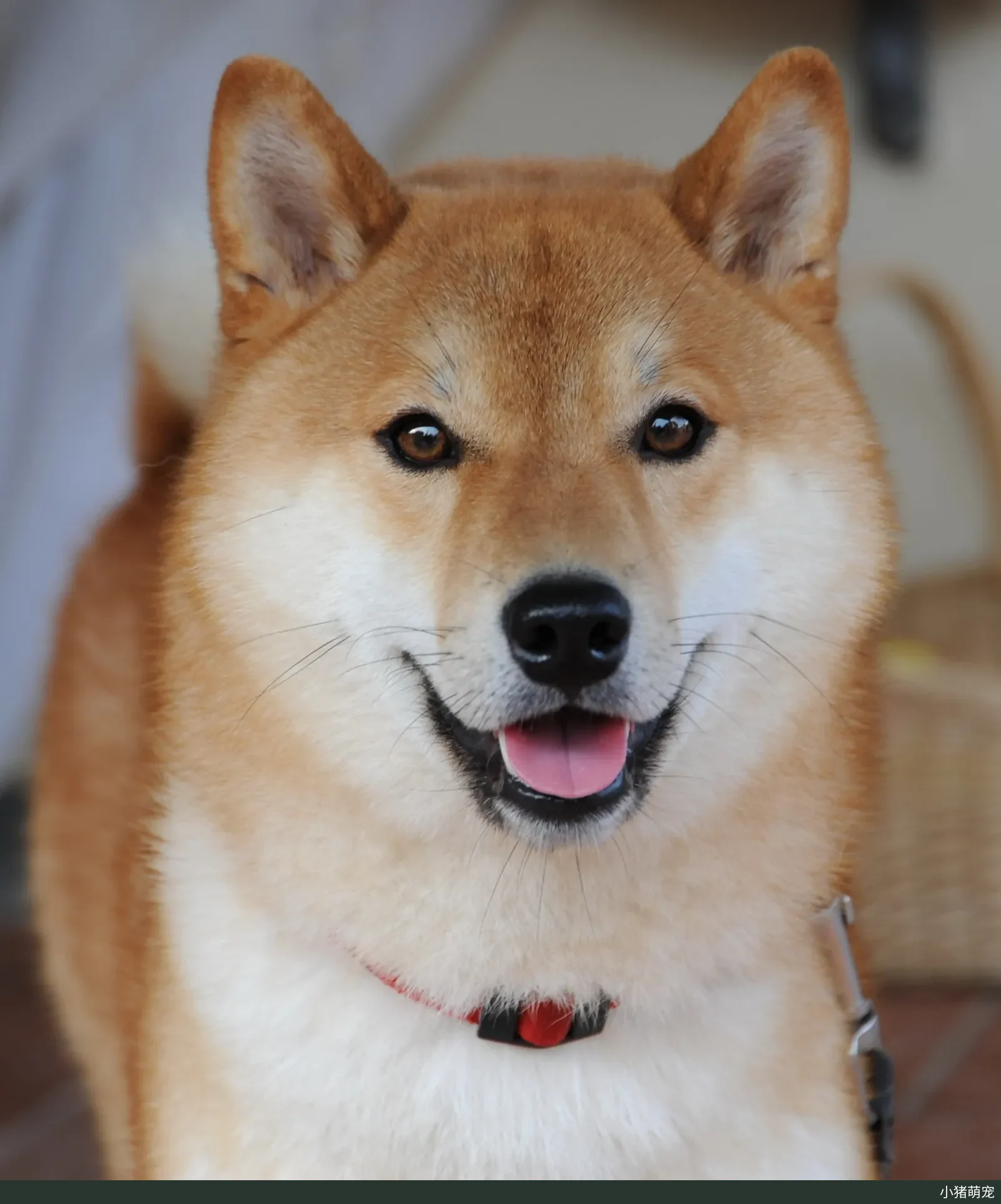
A Shiba named Taiki. Figure: Roberto Vasarri; source Wikimedia Commons (File:Shiba inu taiki.jpg); public domain.
The Shiba is the only small breed among the six Japanese dog breeds listed by Nihon Ken Hozonkai (NIPPO). It was designated a Japanese National Natural Monument in December 1936. Compact, with erect ears and a curled tail, it is independent and alert, and famously clean. Drawing on NIPPO, FCI, and AKC official materials and veterinary literature, this article covers origins, appearance, temperament and training, coat-blow care, and health issues to watch.
Japanese origins and Natural Monument status
The Shiba is native to Japan. NIPPO says it was originally a hunting dog for birds and small animals; the name “Shiba” comes from Japan’s central mountains. The society regards the Shiba as the oldest of the six surviving Japanese breeds, with some tracing it to the Jomon or Yayoi periods. In the early Showa era Japanese dogs were near disappearance; NIPPO was founded in 1928 and in 1934 set a Japanese-dog standard, dividing them into small (Shiba), medium (Kishu, Shikoku, Kai, Hokkaido), and large (Akita) for preservation.
Japan’s Agency for Cultural Affairs “National Designated Cultural Properties Database” shows the Shiba was designated a Natural Monument on 16 December 1936, as a “livestock animal unique to Japan,” without regional limit. World War II then killed many Japanese dogs; preservation work largely stalled from late in the war through three or four postwar years. NIPPO says “Ishi-go,” found and registered in Shimane Prefecture in 1936, is an ancestor of today’s Shiba, and its descendant “Naka-go” is seen as the foundation dog of the postwar Shiba revival.
Internationally, FCI places the Shiba in Group 5 (Spitz and primitive types), “Asian Spitz and related breeds,” formally recognizing it on 18 March 1964; the current standard was published 30 October 2016, country of origin Japan. AKC notes the first documented Shiba arrived in the United States with a military family in 1954; AKC recognized the breed in 1992.
Size, appearance, and coat color
The Shiba is small and solid. NIPPO’s standard height (from ground at the forefeet to the withers) is 39.5 cm for males, generally 38–41 cm; 36.5 cm for females, generally 35–38 cm. Weight is about 9–11 kg for males and 7–9 kg for females. AKC figures are close: males 14.5–16.5 inches (about 37–42 cm) at the withers, females 13.5–15.5 inches (about 34–39 cm), average weight about 23 lb for males and 17 lb for females (about 10.4 kg and 7.7 kg). Under the Japanese standard, height to length is 100:110—a slightly rectangular outline, with females a bit longer than males.
In type, ears are slightly forward-tilting, firmly erect triangles; eyes are deep-set and slightly triangular with a mild upward slant at the outer corner, ideally deep brown iris; the tail is thick and strong, curled or “sashi-o” (carried forward without a full curl), tip roughly reaching the hock. The coat is double: hard, straight outer hair and a soft, dense undercoat. NIPPO lists main colors as red, black, and sesame; red is about 80%, with a few white individuals. Black and sesame Shibas show “urajiro”—white hair on the chest, belly, insides of the legs, toes, and underside of the tail; black dogs also have a pair of pale spots above the eyes, nicknamed “four eyes.”
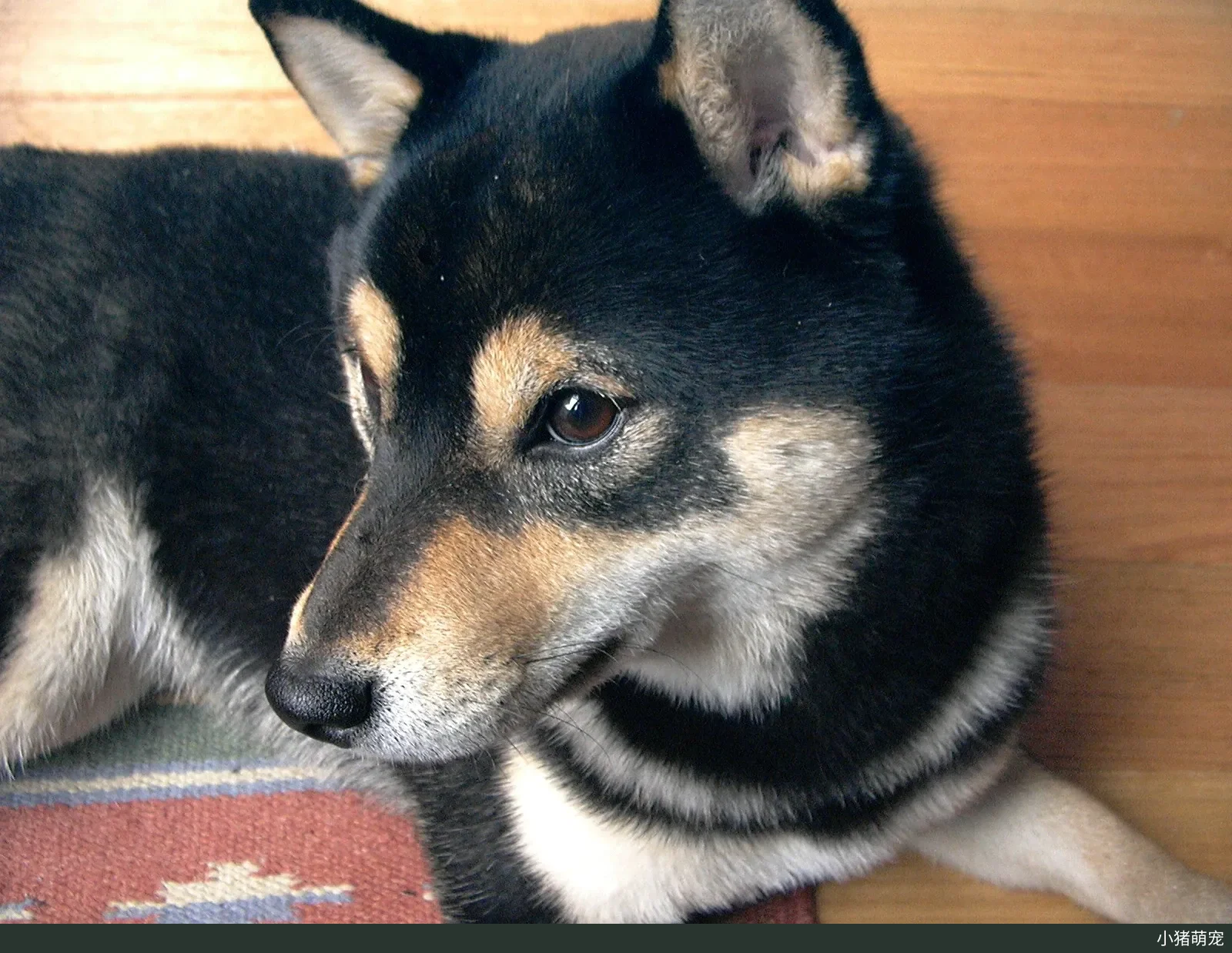
A 9-month-old black Shiba, showing facial markings. Figure: Ben White (English Wikipedia); source Wikimedia Commons (File:Shiba inu blacktan.jpg); CC BY-SA 3.0.
Common marketing names “Mame Shiba” and “Ko Shiba” are not recognized breeds. NIPPO states it does not issue pedigrees marked “Mame Shiba,” holding that deliberately miniaturizing the Shiba contradicts preserving the breed as it is; undersized dogs fall outside the standard.
Temperament, training, and socialization
NIPPO describes the Shiba as having “spirit and dignity,” yet “frank and obedient, simple and refined,” intelligent and able to read the owner’s mood; it also says males tend to be more outward-facing and females more attuned to family feelings—though individuals vary widely. AKC calls the Shiba lively, bold, and confident—an excellent watchdog and companion. VCA Animal Hospitals summarize temperament as independent, alert, intelligent, and affectionate, while warning that Shibas may not share readily and can clash with other dogs; households with children need extra care.
Cleanliness is a famous trait. VCA says they are naturally tidy and house-training usually goes smoothly; AKC notes that by about four weeks Shiba puppies already try to eliminate away from their sleeping place, and by five weeks can often hold overnight for a morning outing—though bladder control still takes time and depends on timely trips outside and owner diligence.
Two training points to know early. First, reliable recall is hard. AKC is blunt: unless in a securely enclosed area, a Shiba must never be treated as safely off-leash, no amount of obedience will change that; VCA also notes that reliable recall conflicts with its independent nature. So leash outdoors, and keep doors, windows, and gates closed. Second, socialize early. VCA holds that Shibas benefit greatly from early socialization and training—firm and positive, while respecting pride; they learn fast but bore easily, so fans prefer agility-style activities over repetitive obedience drills. Nail trims are often resisted; AKC and VCA both advise starting in puppyhood, or leaving difficult cases to professionals.
Coat-blow care and health notes
Day-to-day grooming is not hard; except for long-coated individuals, coats seldom mat. But the undercoat blows twice a year, with spectacular shedding—AKC even cites owners joking that “each blow lasts half a year.” VCA suggests weekly brushing normally and more often during coat blows; AKC describes using a strong blower to remove loose hair and dander and check for fleas, without excessive heat. Regular baths, weekly ear cleaning, and nail trims also belong in routine care.
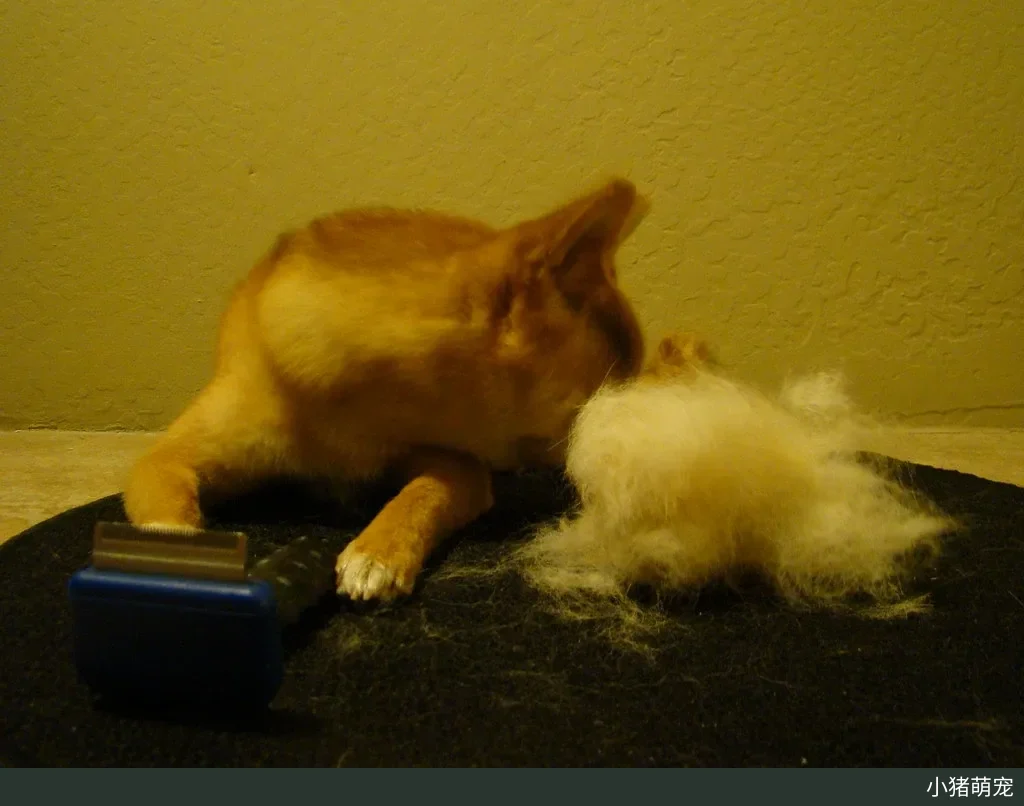
Shiba Taro and a FURminator deshedding tool; per the photographer, he loves chewing this comb but does not like being brushed. Figure: tar0; source Flickr (taro furminator 2); CC BY 2.0.
On health, AKC lists allergies as the most common problem—mainly skin inflammation and itch in dogs, usually appearing after six months of age. One U.S. clinic’s breed notes say Shibas often have atopic dermatitis (environmental allergy skin disease), most affecting paws, belly, skin folds, and ears, with licking paws, rubbing the face, and recurrent ear infections, often starting at 1–3 years. Japan has similar signals: among 59 atopic or food-allergic dermatitis cases at a Tokyo animal hospital from April 2002 to September 2004, eight were Shibas—the most of any breed. A review by Japanese Society of Veterinary Dermatology committee members notes Japan still lacks dedicated surveys of predisposed breeds, though clinical studies suggest the Shiba may be one.
Patellar luxation also warrants attention. Clinic materials describe the classic picture: a dog running, then suddenly hopping on three legs for a few steps, kicking the leg outward, and returning to normal; mild cases may need only medical management, severe ones surgery to reseat the kneecap. The same sources warn that glaucoma can blind quickly—squinting, tearing, blue cornea, or red sclera all call for immediate care. VCA also lists hip dysplasia and hypothyroidism. The National Shiba Club of America (AKC parent club) recommends breeding stock checks of knees, hips, and eyes; ask breeders about these results when choosing a puppy. This is background only; diagnosis and treatment follow veterinary advice.
References
-
Nihon Ken Hozonkai: 柴犬
-
Nihon Ken Hozonkai: 日本犬の歴史
-
Nihon Ken Hozonkai: 日本犬標準の解説
-
Agency for Cultural Affairs, Japan: 国指定文化財等データベース・柴犬
-
FCI: SHIBA (257)
-
American Kennel Club: Shiba Inu Dog Breed Information
-
VCA Animal Hospitals: Shiba Inu
-
Town and Country Animal Clinic: Shiba Inu Breed Info
-
園田開、林屋早苗、林屋牧男、長谷川篤彦: 一動物病院における犬のアレルギー性皮膚炎の発生状況, 獣医臨床皮膚科 11(4): 199
-
朝比奈良太等: 犬アトピー性皮膚炎の診断および治療に関する指針作成の試み ―現状と課題―, 獣医臨床皮膚科 25(2): 69–76, 2019