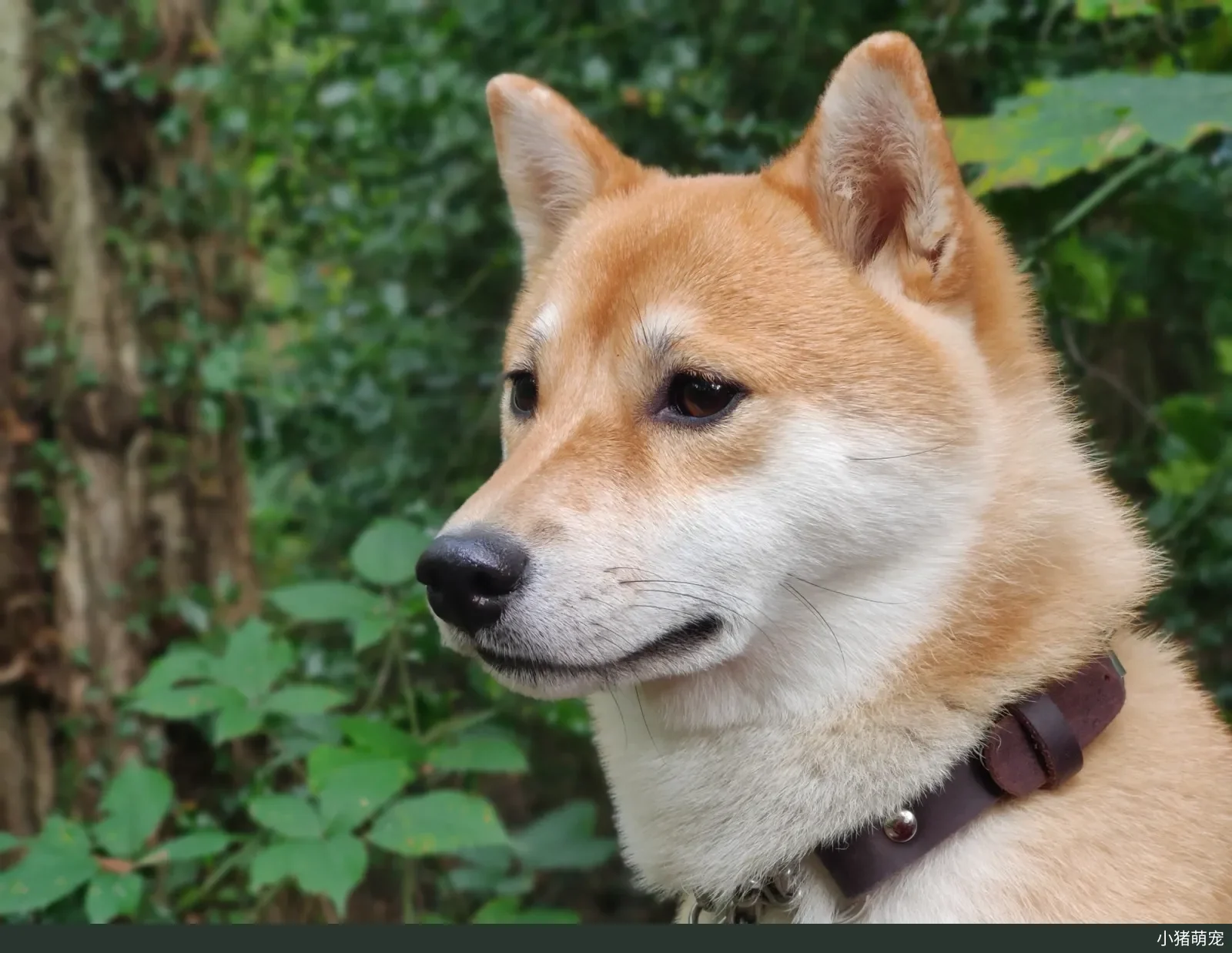
Side view of a young red Shiba bitch, with white urajiro visible on the sides of the muzzle, cheeks, neck, and ears. Photo: Joseph S Clark; source: Wikimedia Commons; license: CC0 1.0 (public-domain dedication).
The Shiba is the smallest of Japan’s native dog breeds. It once hunted birds and small game by sight and scent in dense brush of Japan’s mountainous regions. The American Kennel Club (AKC) calls it Japan’s most popular companion dog today. Drawing on Fédération Cynologique Internationale (FCI) and AKC breed standards and National Shiba Club of America materials, this article covers origins, appearance, temperament, exercise and training needs, and common health issues.
Origins and history
Per the FCI standard, the Shiba has been a Japanese native breed since ancient times; “shiba” originally meant “small,” so Shiba is “the small dog.” They lived mainly in mountains facing the Sea of Japan, used on small game and birds, with local types differing slightly. Between 1868 and 1912, English Setters, Pointers, and other hunting dogs arrived from Britain as sport hunting grew in Japan, and crossing with these imports became common; by 1912–1926 pure Shibas were extremely scarce. From about 1928 hunters and other interested people began earnestly preserving remaining pure lines; a unified breed standard was set in 1934, and in 1937 the Shiba was designated a Natural Monument, after which breeding shaped today’s dog.
FCI formally recognized the Shiba in 1964, placing it in Group 5 (Spitz and primitive types), Section 5 “Asian Spitz and related breeds”; the current official standard was published 30 October 2016, with use listed as “hunting dog for birds and small animals, companion dog.” In the United States, AKC records the first documented Shiba brought by a military family in 1954; AKC recognized the breed in 1992 and places it in the Non-Sporting Group. AKC also says Shiba history reaches to around 300 BCE; the FCI standard only says “ancient times” and gives no year.
Appearance and coat color
The Shiba is small and well balanced, with moderate bone and good muscle. The FCI standard sets height-to-length at 10∶11, with ideal withers height 39.5 cm for males and 36.5 cm for females, ±1.5 cm allowed. AKC’s range is 14½–16½ inches (about 36.8–41.9 cm) for males and 13½–15½ inches (about 34.3–39.4 cm) for females; at ideal size average weight is about 23 lb (about 10.4 kg) for males and 17 lb (about 7.7 kg) for females. Both standards require clear sex differences in appearance. Eyes are triangular and dark brown, with outer corners slightly upturned; ears are small and triangular, tilting slightly forward and firmly erect; the tail is set high and thick, curled firmly over the back or carried sickle-fashion.
The coat is double: coarse, straight outer hair and a soft, dense undercoat, with slightly longer, fuller hair on the tail. FCI-accepted colors are red, black and tan, sesame, black sesame, and red sesame; AKC lists red, black and tan, and sesame. Whatever the color, urajiro is required—white to cream markings on the sides of the muzzle, cheeks, under the jaw and throat, chest and belly, underside of the tail, and insides of the legs. AKC describes bright orange-red with urajiro as giving red Shibas a fox-like look; the standard also requires natural presentation in the ring, with coat trimming heavily penalized.
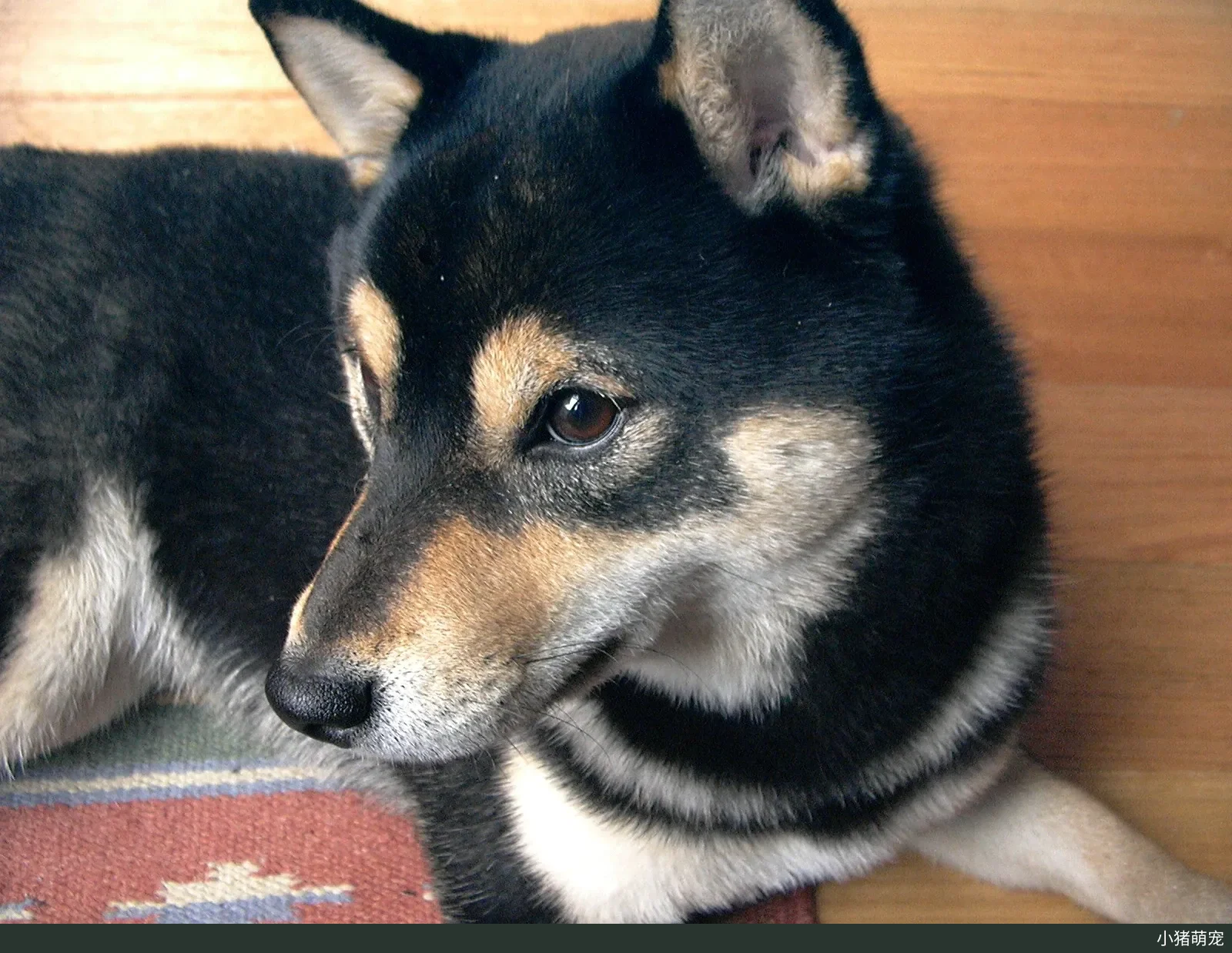
A 9-month-old black-and-tan Shiba, showing facial markings. Photo: Ben White (English Wikipedia user); source: Wikimedia Commons; license: CC BY-SA 3.0.
Temperament, training, and daily care
The FCI standard describes the Shiba as faithful, keen-sensed, and highly alert. AKC is more specific: bold and spirited, good-natured and straightforward, independent by nature, possibly reserved with strangers, yet loyal and affectionate to those who earn respect; aggression toward other dogs can appear. In short, the Shiba is not a dog that greets everyone warmly; trust takes time.
On exercise, AKC notes most Shibas have considerable energy and enjoy walks; they may not bounce off the walls without a day’s activity, but owners should still exercise them daily—especially without a suitable yard. The most important training rule: unless in a securely enclosed area, a Shiba must never be treated as reliably off-leash, no matter how much obedience work you do—an open door or a moment’s lapse can mean a lost dog. On the other hand, AKC says Shibas are almost “born housebroken,” with puppies by about four weeks tending to eliminate away from their sleeping area. Adult Shibas left alone usually do not trash the house, but some develop separation anxiety; AKC suggests getting them used to crate time.
Day-to-day grooming means heavy shedding. AKC notes people often say twice-yearly coat blows, while some owners joke each one lasts half a year. Except for long-coated individuals, coats seldom mat; thorough brushing in heavy shed cuts floating hair at home. Many Shibas resist nail trims—practice from puppyhood, or leave it to professionals when needed.
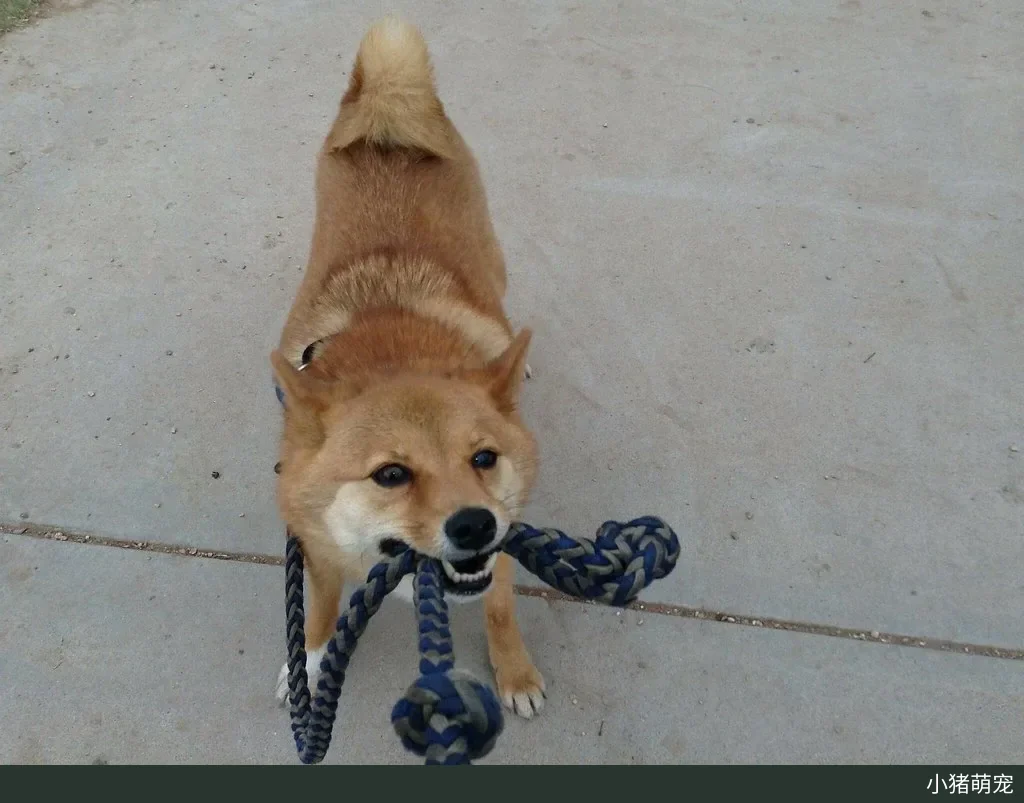
Shiba Taro pulling on the leash during a walk (photographed 17 May 2013). Photo: Taro the Shiba Inu (Flickr user tar0); source: Flickr; license: CC BY 2.0.
Lifespan and common health issues
AKC lists expected lifespan at 13–16 years. AKC says the most common health problem is allergies—skin irritation and itch that usually appear after six months of age; there is no allergy test for breeding stock, but dogs in an active allergic flare should not be bred. The AKC-parent club—the National Shiba Club of America—recommends health checks including patella evaluation, hip evaluation, and eye exams; responsible breeders screen for hip dysplasia, eye disease, and patellar luxation.
The club’s health glossary also lists issues owners should know. Primary glaucoma is hereditary and not rare in Shibas; rising intraocular pressure damages the optic nerve and causes blindness, and the club advises against collars on glaucomatous dogs. Patellar luxation is the kneecap slipping out of place; the page cites Orthopedic Foundation for Animals (OFA) reports through end-2008 ranking Shibas 17th among breeds, about 7% affected, possibly an underestimate. Hypothyroidism is also not uncommon. Japanese breeds including the Shiba may be more prone to Heinz-body anemia from onion (and related plants such as leeks and garlic); Shibas and Akitas also often show “pseudohyperkalemia,” where red-cell rupture during blood draw elevates potassium readings and can be mistaken for Addison’s disease, so draws must avoid hemolysis.
Note that the National Shiba Club of America health glossary page has no update date, and patellar luxation figures stop at 2008; such material helps understand breed risks but does not replace veterinary diagnosis of the individual.
References
-
Fédération Cynologique Internationale. FCI-Standard N° 257 SHIBA (current official standard published 2016-10-30; English file dated 2017-02-09). https://www.fci.be/Nomenclature/Standards/257g05-en.pdf
-
Fédération Cynologique Internationale. SHIBA (257) breed nomenclature page (formal recognition 1964). https://www.fci.be/en/nomenclature/SHIBA-257.html
-
American Kennel Club. Official Standard of the Shiba Inu (approved 1997-02-07, effective 1997-03-31). https://images.akc.org/pdf/breeds/standards/ShibaInu.pdf
-
American Kennel Club. Shiba Inu Dog Breed Information (page undated, accessed 2026-10-17). https://www.akc.org/dog-breeds/shiba-inu/
-
National Shiba Club of America. Health Issues Glossary (page undated, accessed 2026-10-17). https://shibas.org/health.html