The Mongolian gerbil (Meriones unguiculatus) is one of the common pet gerbil species. It likes to dig, chew, and store food, and it also needs stable relationships with its own kind. Living with one hinges on deep diggable bedding, an appropriate diet, and day-to-day health observation. This article covers the species’ habits and care points for people checking requirements before keeping one; it does not replace a veterinary exam of an individual animal.
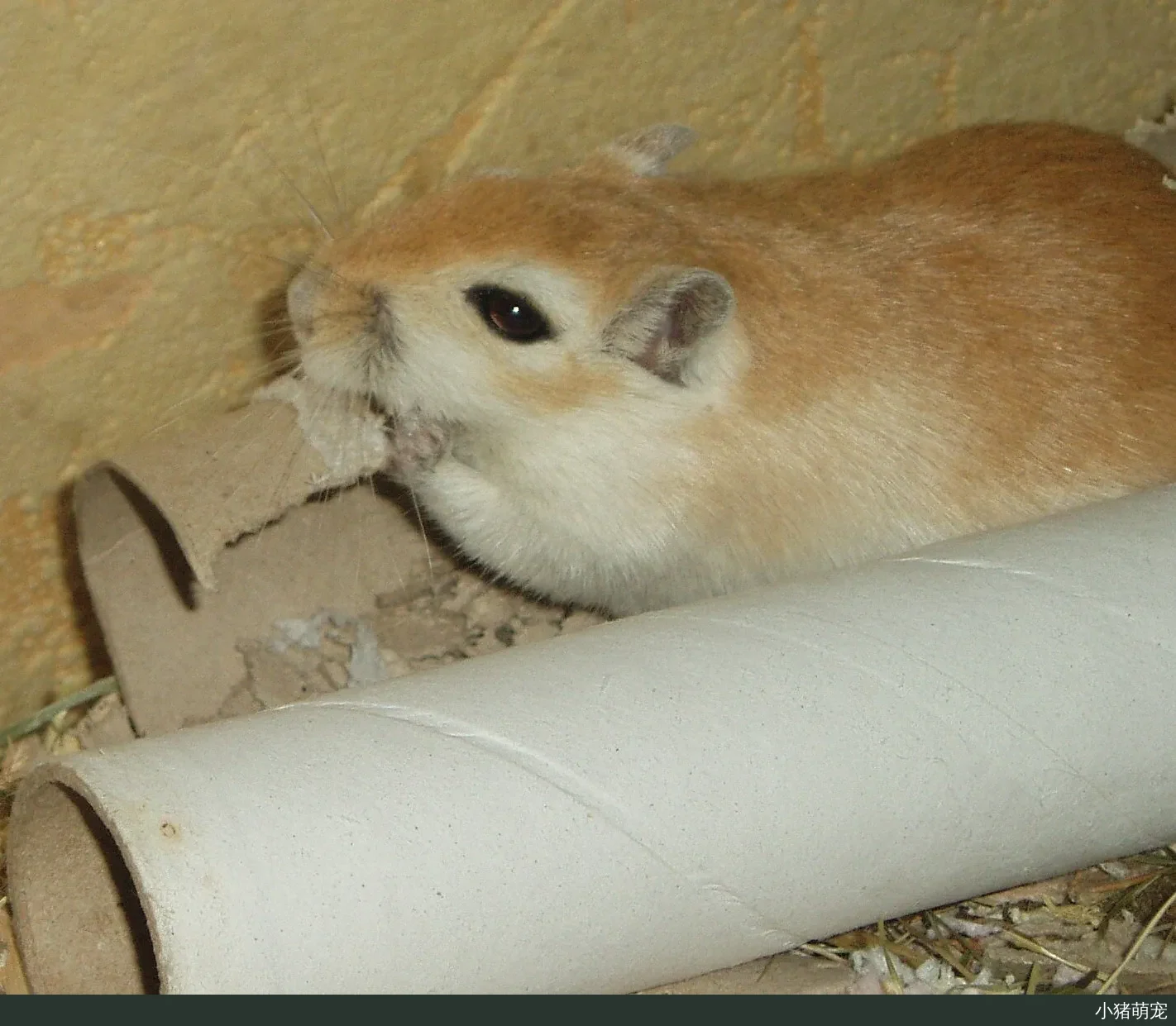
Species and habits
The Mongolian gerbil belongs to the order Rodentia, family Muridae, subfamily Gerbillinae, genus Meriones; the Mammal Diversity Database records its natural range as involving China, Mongolia, and Russia. What follows is about this species; do not apply the needs of other gerbils wholesale.[1]
It digs burrows, chews materials, and stores food. Unlike hamsters, Mongolian gerbils do not have cheek pouches for carrying food; watching them carry and shred materials and build nests often tells you more about their lives than frequent handling does.[2]
Gerbils are social, but that does not mean unfamiliar individuals can be housed together at once. The RSPCA advises choosing same-sex companions or groups that formed early and have a stable relationship, and not casually adding new members to an existing group. If a former companion dies or conflict arises, ask a veterinarian familiar with gerbils or a specialist rescue about arrangements. When interacting, let the animal explore your hands first, then support its whole body with both hands; never lift by the tail, and do not force handling.[3]
Housing
The enclosure must allow digging, hiding, and floor activity at the same time. The RSPCA recommends a gerbil tank with solid glass walls, a solid floor, and a secure mesh lid; the lid covers both ventilation and escape prevention. A shallow layer of bedding alone cannot meet its need to build tunnels. The charity suggests a bedding depth of 20–30 cm and an ideal tank height of about 50 cm so the animal can still stand upright above the bedding; these are that organization’s care recommendations, not a legal minimum standard.[4]
Choose suitable bedding that can support tunnels, and provide shreddable ink-free cardboard, paper, and hay; avoid nesting materials such as cotton wool that break into fine filaments. Prepare a nest box in a dark spot, extra hideouts, and materials that are safe to chew; exercise wheels should have a solid running surface and a large enough diameter so feet and legs cannot get caught.[4]
Place the enclosure indoors somewhere quiet, dry, and away from direct sun and heaters. The RSPCA’s ideal temperature range is 20–24°C. Clean soiled spots daily; when cleaning, keep a little clean, uncontaminated old bedding to help retain familiar scents. Photos show only the animal and part of its surroundings; they do not represent a complete household care standard.[4]
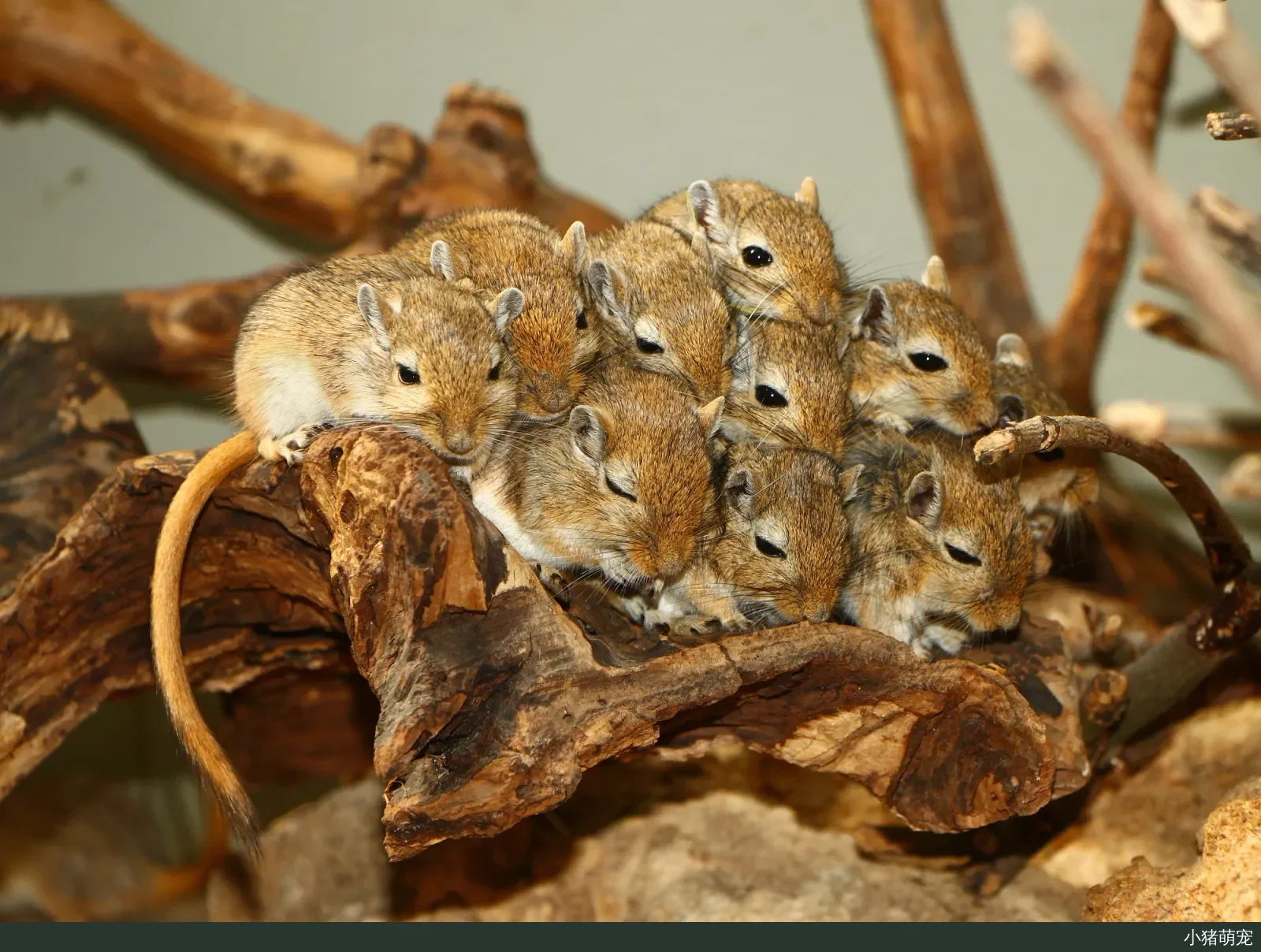
Diet and daily observation
Base the diet on a nutritionally balanced commercial staple formulated for gerbils, fed according to the product directions; fresh fruit and vegetables can be supplements and should not crowd out the staple. High-fat seeds such as sunflower seeds should not be given in large amounts, and the whole diet should not be changed suddenly. You can scatter some food on the bedding surface so the animal gets activity through foraging.[5]
Coming from dry regions does not mean water can be skipped. Provide clean drinking water at all times, check the bottle daily for leaks or blockages, and wash the bottle and spout regularly. Gerbils store food, so check daily and remove spoiled items, especially perishable fresh foods. Watch each animal’s usual eating and drinking; if either changes markedly, or if soft stools or a soiled rear appear, seek veterinary care promptly.[5]
Health and keeper responsibility
Observe mood, activity, appetite, drinking, and elimination every day, and watch for changes in the coat and incisors. Gerbil teeth grow continuously; overlong or misaligned teeth can cause pain and interfere with eating. If the animal stops eating or the teeth look abnormal, have a veterinarian who sees small mammals examine it; do not trim teeth yourself or use human medicines. Use medication only as that veterinarian advises for that animal. The health information here is for spotting changes that need help, not for diagnosing what any particular gerbil has.[5][6]
Before keeping one, also confirm long-term care, holiday cover, and access to veterinary care; prefer traceable captive-bred or proper adoption sources, do not take animals from the wild, and do not release pets. Avoid mixed-sex housing that produces offspring you cannot place properly.[3]
This entry has not determined the reader’s location, so it draws no conclusion on whether buying, keeping, transporting, or introducing across borders is lawful. Before purchase, check the applicable rules with the local authority and confirm the source and any documents needed for transport; a species’ presence in the pet trade or natural occurrence locally does not replace that step.
References
-
American Society of Mammalogists — Mammal Diversity Database: Meriones unguiculatus • Mongolian Jird. Page does not state a publication date; accessed 2026-10-27.
-
RSPCA: Keeping Gerbils As Pets. Page does not state a publication date; accessed 2026-10-27.
-
RSPCA: Keeping Gerbils Together. Page does not state a publication date; accessed 2026-10-27.
-
RSPCA: Creating a Good Home For Gerbils. Page does not state a publication date; accessed 2026-10-27.
-
RSPCA: What To Feed Your Gerbils. Page does not state a publication date; accessed 2026-10-27.
-
RSPCA: Caring For Your Pet Gerbils. Page does not state a publication date; accessed 2026-10-27.
-
Taxonomy follows the Mammal Diversity Database; RSPCA materials are used for general care, and their environmental figures are organizational recommendations. Publication or update dates for the pages above could not be confirmed and were not replaced with the crawl time; applicability of local law was not assessed.
-
Piggy Pets · Welcome to my pet planet