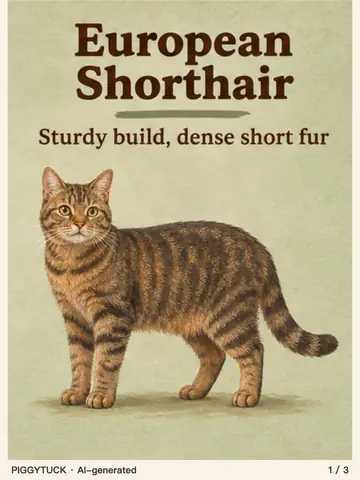
To recognise a European Shorthair (Celtic/European Shorthair), start with how associations name and describe the type. The European Shorthair, registered with the World Cat Federation as the Celtic Shorthair (KKH), is medium to large, strong, and agile. Look for a round, well-developed rib cage; strong, solid medium-length legs narrowing to firm round paws; and a medium-length tail with a broad base tapering slightly to a rounded tip.[1] The broad head gives a rounded impression and is slightly longer than broad; the nose is straight, medium length, and equally broad throughout, with a clearly curved profile; the neck is medium and muscular.[1] Ears are medium with slightly rounded tips that may be tufted, wide set and almost upright, as high as their base is wide; eyes are rounded and open, set wide and slightly angled, with even colour matching the coat.[1] The coat is short, dense, firm, and glossy.[1] Chocolate and cinnamon and their dilutions (lilac and fawn) are not recognised in any combination, nor is the pointed pattern; all other colours and patterns are allowed, with any amount of white.[1] The sections below cover association remarks and scoring, short-coat daily life, then indoor needs and health questions—without dressing generic cat advice as breed-unique proof.
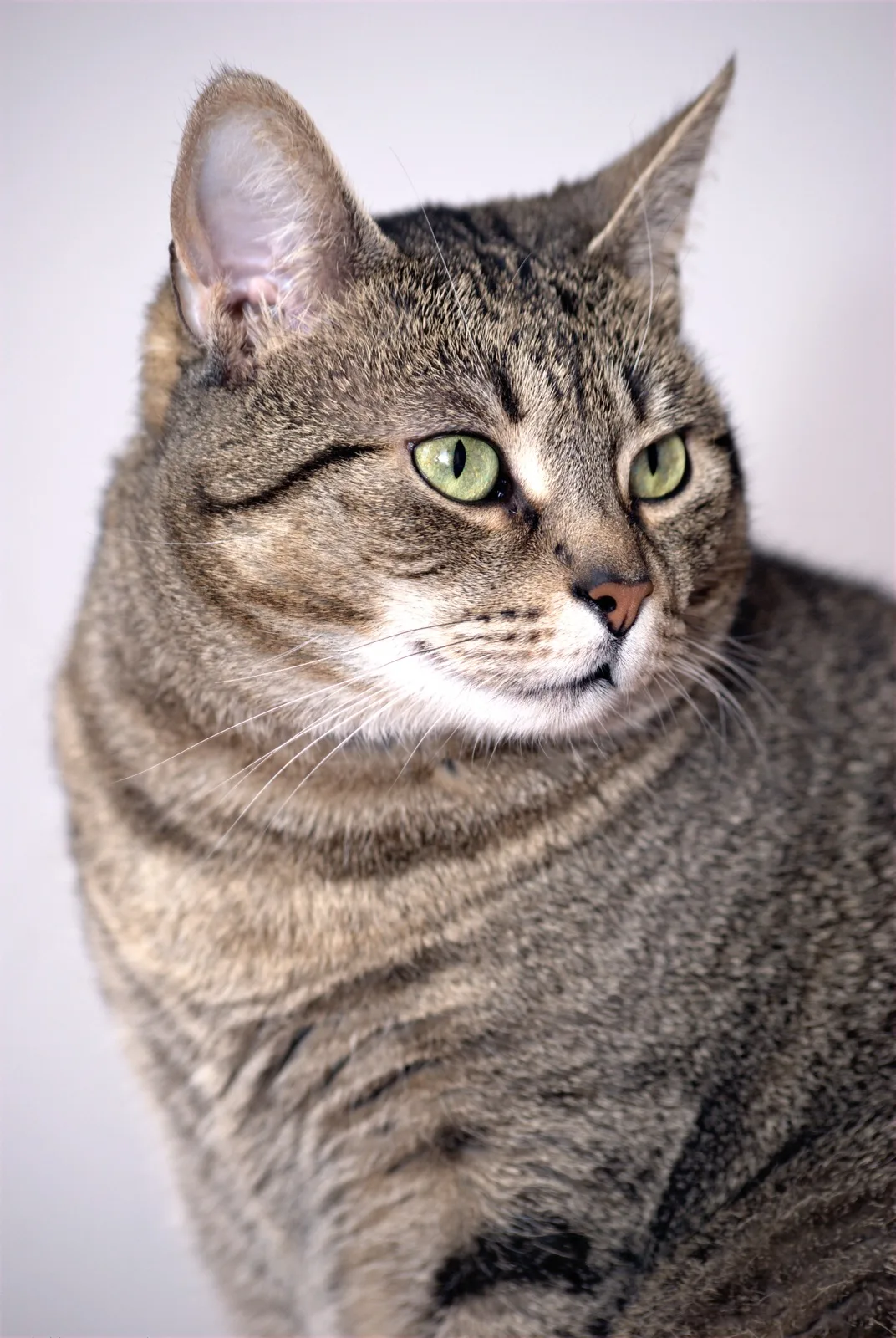
Figure: European Shorthair head and chest. Rafał Brzychcy, Wikimedia Commons[4]

How the association reads “European domestic type”
WCF remarks that the Celtic Shorthair equates to an average European domestic cat that developed naturally without planned breeding aims; the ideal is free from outcross to other recognised breeds, and any sign of such outcross is a fault.[1] The federation’s shorthair index labels the entry Celtic/European Shorthair (KKH), so both common names point to the same show text.[2] On points, body and head score 25 each, coat colour and pattern 25, eye colour and coat texture 10 each, and condition 5—type and colour weigh heavily, so “just a short-haired house cat” is not enough for identification.[1] That is ideal type and registration context, not a temperament, activity, or disease promise for one cat.
Observable clues: medium-to-large lithe strength, rounded chest, legs not stubby, a broader-based medium tail; a broad rounded head with a straight nose and clear profile curve; medium nearly upright ears; a short, dense, glossy coat. Chocolate/cinnamon-line colours, pointed pattern, or clear signs of other recognised breeds sit outside this WCF colour and remark boundary.[1] Many pet short-hairs may look similar; calling a cat a registered European Shorthair still depends on the association text and pedigree you actually read, not on labeling every street tabby as KKH.
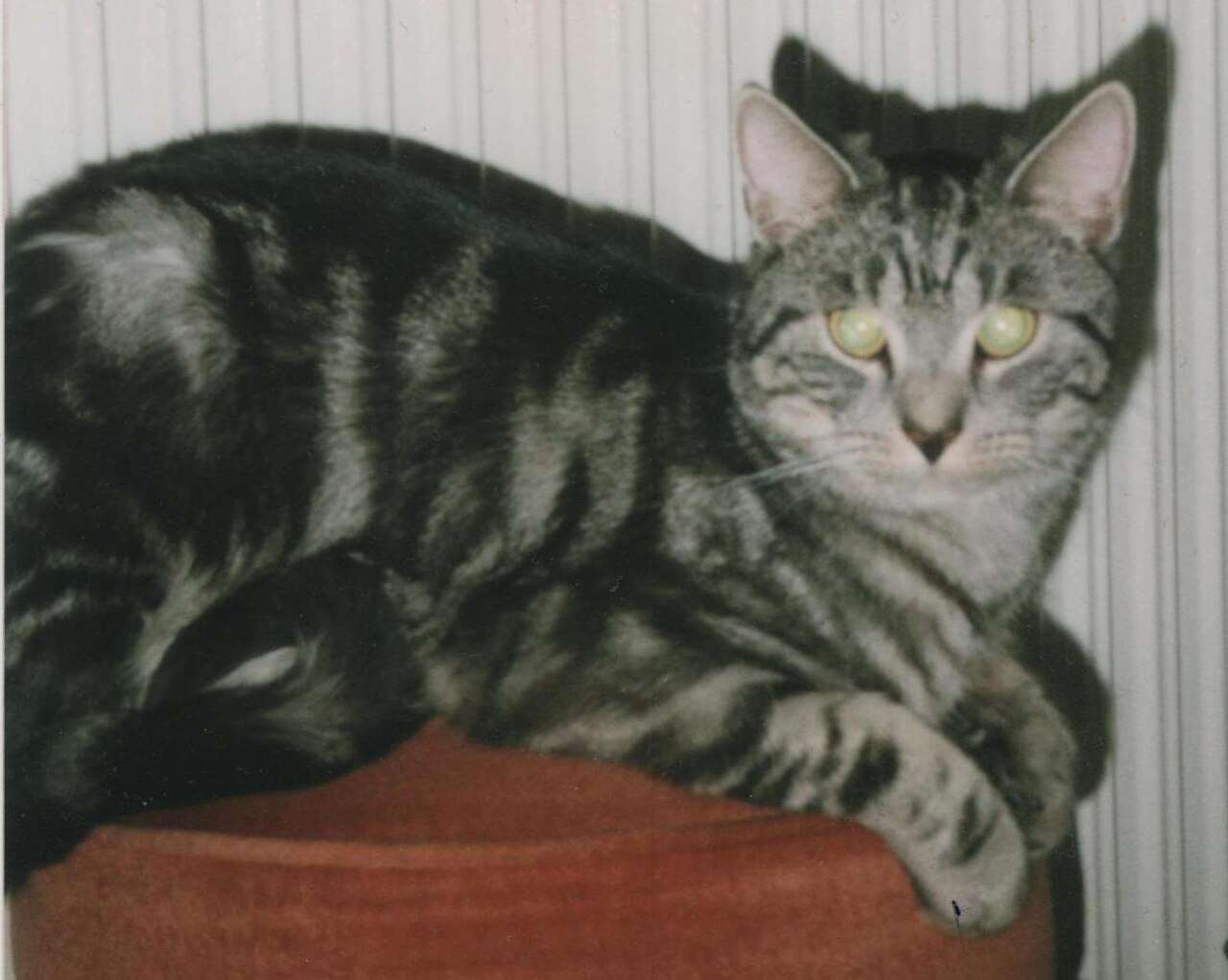
Figure: Silver tabby European Shorthair lying down. Loggediteur, Wikimedia Commons

Coat care and household interaction
The short, dense coat needs light grooming to remove loose hair. Brush more often when the individual cat sheds heavily.[1] Shedding seasons may need slightly more combing, but do not escalate bathing just to chase show-ring gloss; sudden oiliness, redness, or extra scratching should prompt a parasite or allergy check first. Nail trims, ear cleaning, and dental care remain general feline husbandry; brief calm handling of paws and ear rims in kittenhood often beats a sudden adult nail-trim battle. The remarks stress a natural domestic type free of outcross, but the same file does not publish a temperament scale; suitability for multi-cat homes, children, or long alone time must be judged case by case, not inferred from “looks like a European house cat.”
For indoor homes, the Feline Veterinary Medical Association’s 2025 position statement stresses that “safer indoors” is not enough: physical and emotional needs must be met equally through five pillars—a safe place; multiple separated key resources; play and predatory opportunity; positive, consistent, predictable human–cat interaction; and respect for smell and other senses.[3] For a strong yet lithe short-hair, sturdy vertical space, rotating chase toys, and dispersed vantage points fit those pillars better than mealtime-only contact—this is a general indoor-cat framework, not a European Shorthair–only trial.[1][3]
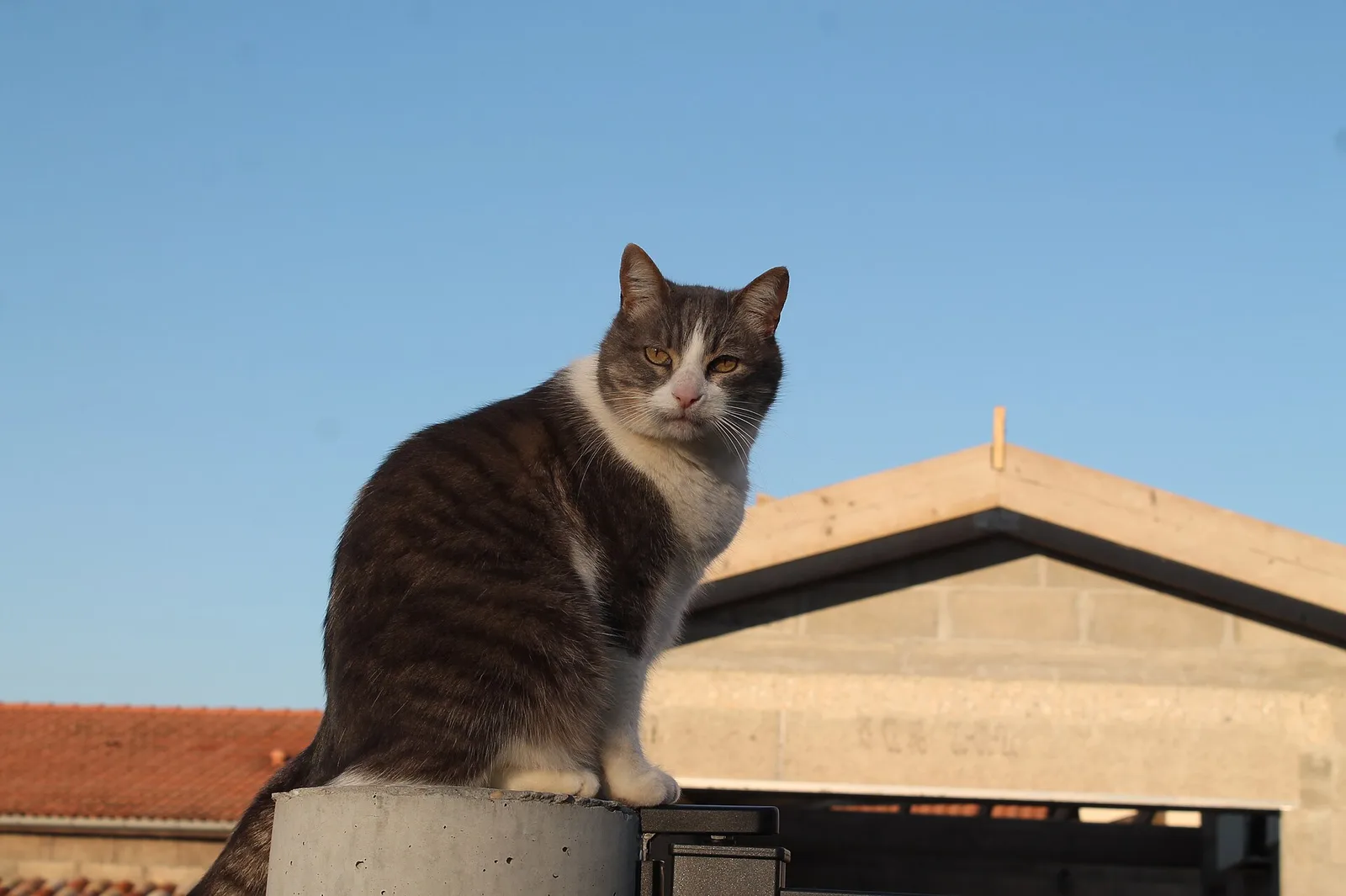
Figure: European Shorthair sitting on a concrete pillar. Manateknik, Wikimedia Commons

How to ask health questions
When choosing a European Shorthair, ask about the individual cat’s health and family history. Coat, body shape, and pedigree alone tell you little about health.[1] Checkable practice is to ask breeders or rescues about related health history and prior exams or imaging; after arrival, follow vaccine, parasite, body-condition, dental, and ear plans, with further tests when indicated. The five indoor pillars may reduce stress from resource conflict and boredom, but they do not replace clinical judgement.[3] Appetite, thirst, urination, breathing, or activity changes warrant a veterinary visit—not self-diagnosis from whether the coat looks “standard.”
To identify a European Shorthair, prioritise medium-to-large lithe strength, a broad rounded head with a straight nose, a short dense glossy coat, and the exclusion of chocolate/cinnamon-line and pointed colours; to live with one, plan light grooming, the five indoor pillars, and individual veterinary follow-up. WCF text helps with the “European domestic type” registration frame; temperament and health still rest on the individual cat and veterinary evidence.
References
-
World Cat Federation. Celtic Shorthair (KKH) breed standard (2010-01-01). https://wcf.de/pdf-en/breed/KKH_en_2010-01-01.pdf
-
World Cat Federation. Shorthair breed standards index (Celtic/European Shorthair). https://wcf.de/en/shorthair/
-
Feline Veterinary Medical Association. Meeting the Physical and Emotional Needs of Indoor Cats (position statement news, 2025-08-28). https://catvets.com/news/2025-indoor-cats-position-statement/
-
Wikimedia Commons. File:European shorthair cat.png. https://commons.wikimedia.org/wiki/File:European_shorthair_cat.png