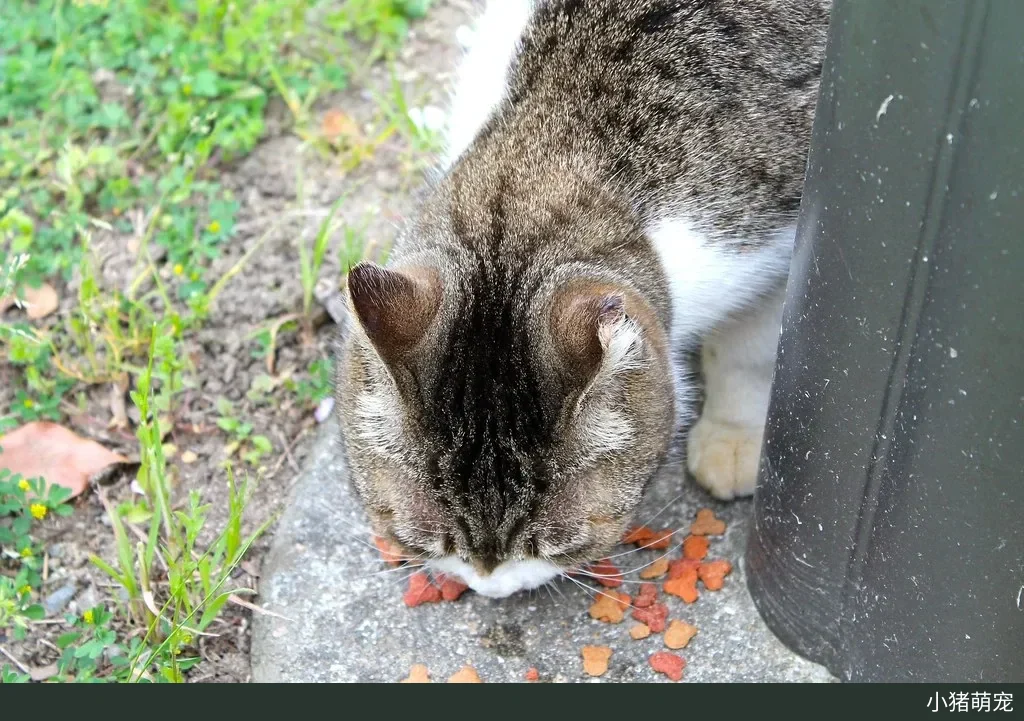
A tabby-and-white cat eating dry kibble scattered on the floor (April 2014). Photo: foooomio; source: Flickr; license: CC BY 2.0.
On 14 October 2026, trade outlet PetfoodIndustry published a column by pet nutritionist Ryan Yamka. He argues that AI is good at searching literature and crunching data, yet may not know what it does not know; a formula that meets targets on paper is not proof the finished food is safe for dogs and cats. Using a recent freeze-dried raw cat-food recall as an example, he says final judgment and responsibility still belong with qualified nutrition professionals. This is an opinion piece, not an empirical study of AI.
Core points of the column
The article ran in PetfoodIndustry’s “Debunking pet food myths and misconceptions” column. Author Ryan Yamka is founder and independent consultant at Luna Science and Nutrition, and holds American College of Animal Sciences certification in companion-animal nutrition. He opens by saying this is not “nutritionists versus AI”: he welcomes AI for literature search, large-scale data analysis, and spotting patterns that would take a person hours. But in his view, near-unlimited information is not the same as professional competence.
He lists questions that formula work cannot dodge: what is the difference among nutrient “requirement,” “recommendation,” and “optimal intake”? How do body weight and metabolic body weight differ? Are there antinutrients in ingredients that can undo an otherwise “complete and balanced” food? How do processing, ingredient origin, and shelf life change nutrition? One example: U.S. sheep are often selenium-supplemented, so U.S. sheep liver can run higher in selenium than New Zealand sheep liver. Another easily missed issue—when has a nutrition question already become a medical one.
The real risk, he argues, is not obvious AI errors, which are often spotted; it is answers that sound right, cite seemingly solid sources, and speak with confidence, so that inexperienced askers never think to challenge them—like a fluent guide who never says “I’m not sure” and still leads people the wrong way. His conclusion: AI can propose a formula; it cannot own responsibility for one.
Original sources for two cases
A caveat first: the column cites no study or data on how accurate AI nutrition advice is. The argument rests mainly on the author’s professional experience, illustrated with two recent events. We traced primary records for both.
Case 1: thiamine-deficient cat food. The original text mentioned only “a recent recall involving a freeze-dried and raw cat food,” without naming the product, and reasoned from the premise of “no kill step and all-raw ingredients.” In U.S. Food and Drug Administration (FDA) public records, that description matches Quest cat food from Go Raw LLC (doing business as Steve’s Real Food): the company recalled one freeze-dried lot on 17 February 2026, expanded to two frozen lots on 26 February, and stopped sale of all Quest products. FDA’s 13 March advisory said eight lots tested extremely low or undetectable for thiamine (vitamin B1); even the highest lot reached only 15.2% of the AAFCO cat-food minimum (5.6 mg/kg dry matter), while labels claimed formulation to AAFCO all-life-stages cat-food nutrient profiles. On 8 June the recall expanded to one Steve’s Real Food freeze-dried chicken recipe lot.
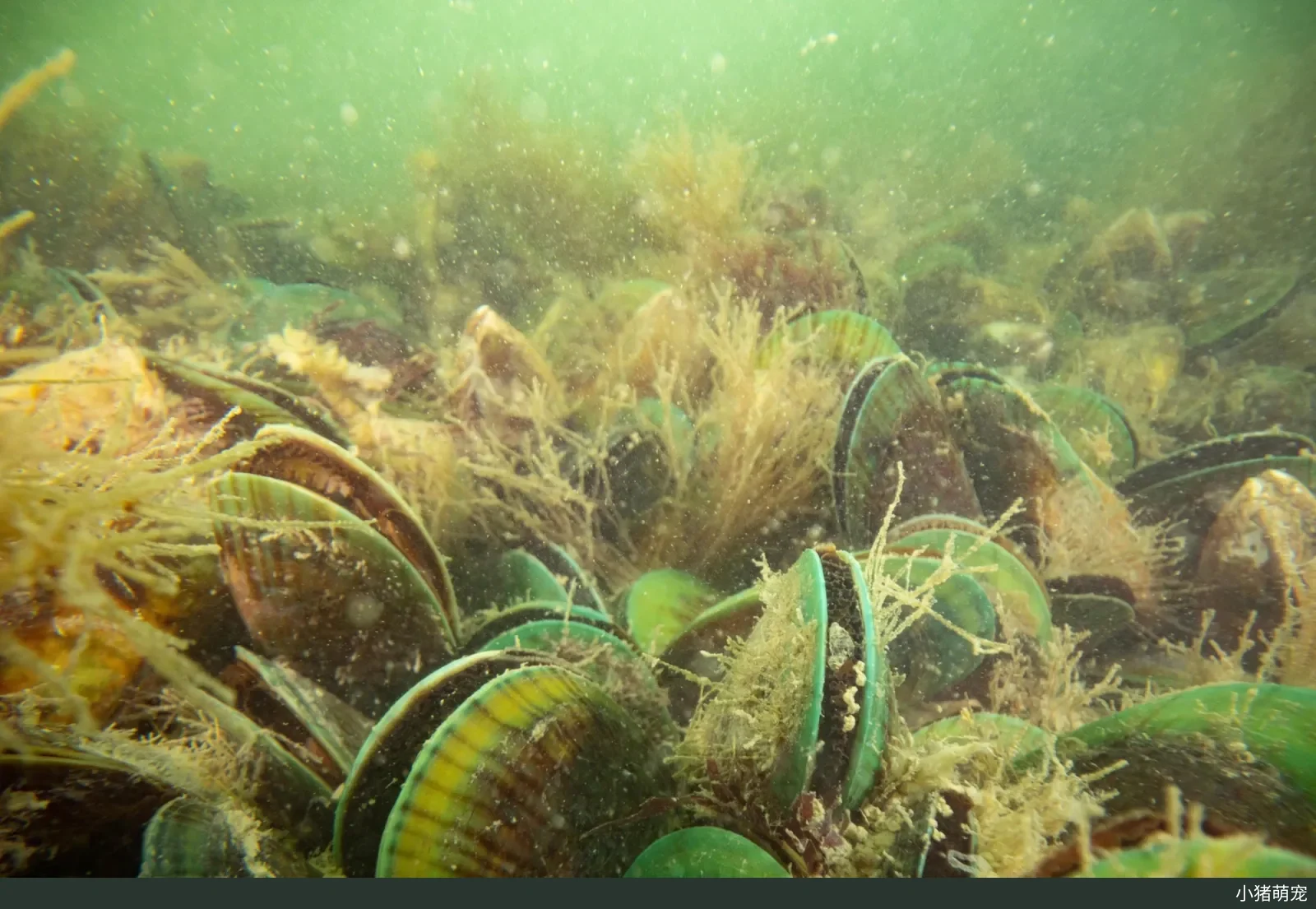
A newly restored New Zealand green-lipped mussel (Perna canaliculus) bed in Auckland, New Zealand (18 November 2021). Photo: Shaun Lee (originally on iNaturalist); source: Wikimedia Commons; license: CC BY 4.0.

The author’s reasoning: the formula includes mussels, which may contain thiaminase—an antinutrient that needs heat inactivation or it breaks down thiamine in the food; likewise, raw eggs without heating can leave avidin and risk biotin deficiency. Steve’s Real Food’s current Quest freeze-dried chicken ingredient list (marked “temporary ingredient update”) does list New Zealand green-lipped mussels and also adds a premix containing thiamine nitrate. Three cautions: neither the FDA advisory nor company recall notices attributed the deficiency to mussels; the company said it had reviewed formula, suppliers, and processing. The current website list is not necessarily the recalled lots’ formula. Published work shows high thiaminase activity in Great Lakes zebra and quagga mussels, but we found no evidence that New Zealand green-lipped mussel ingredients behave the same. So “mussels caused the deficiency” is the author’s illustrative conjecture, not a confirmed recall cause.
Case 2: pomegranate pomace. The original noted that the Association of American Feed Control Officials (AAFCO) approved pomegranate pomace at its 2026 annual meeting, and many companies may rush it into pet food for polyphenols and antioxidants. AAFCO minutes show the Board of Directors adopted the official definition “40.114 Pomegranate Pomace” at the San Diego annual business meeting on 26 August 2026, replacing the prior tentative definition; at the January midyear meeting the Ingredient Definitions Committee had already passed it. The definition states it is residue from processing pomegranates for human food, which may include peel, seeds, and pulp; total dietary fiber (dry-matter basis) not less than 40%; moisture not more than 10%; use “as a source of dietary fiber in dog food.” In other words, the definition covers fiber use in dog food—not cat food, and not endorsement of antioxidant efficacy. The original’s claim that tomato pomace often has higher levels of related compounds at lower cost had no cited data source, and we could not verify it.
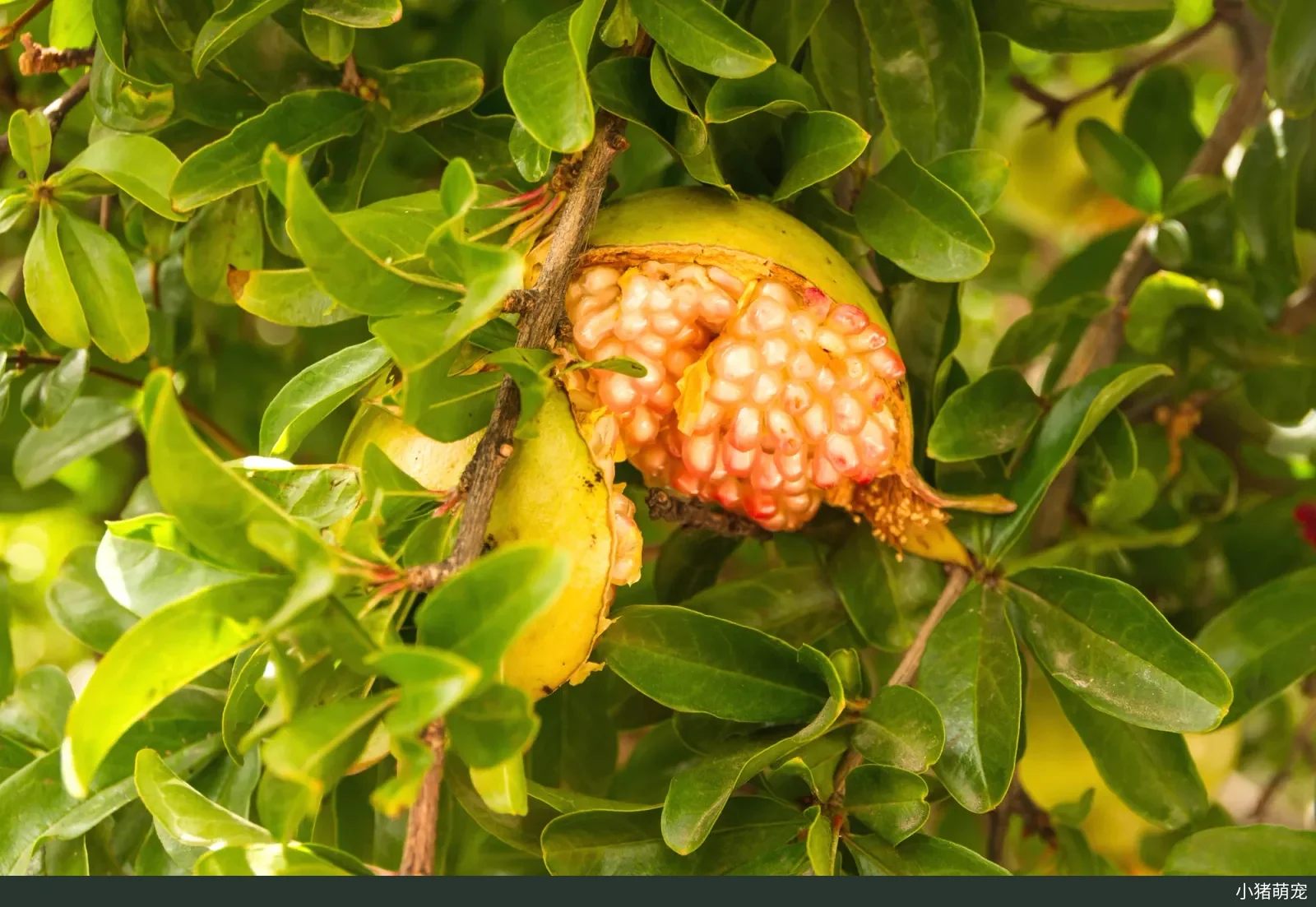
In Granada, Spain, a pomegranate splitting open on the tree to show red arils (31 July 2012). Photo: Jebulon; source: Wikimedia Commons; license: CC0 1.0.

Notes for pet owners
The column mainly addresses pet-food professionals, but it also helps owners who cook for dogs and cats or habitually ask AI “what should I feed.” Treat AI as a fast research assistant: it can organize sources and list questions for the veterinarian, but its recipes or nutrition judgments should not be taken as a finished “complete and balanced” verdict.
- Have long-term plans reviewed. Before homemade diets or long-term use of an AI feeding plan, have a veterinarian or qualified animal-nutrition professional review it.
- Watch processing. For raw, freeze-dried, and other products without a full kill step, paper formulas and finished nutrient levels may diverge. Quest cat food is an example: labels claimed AAFCO all-life-stages formulation, yet FDA-tested lots had almost no measurable thiamine.
- Know the warning signs. FDA notes early thiamine deficiency in cats may show as reduced appetite and vomiting; as it progresses, cats may hold the head down (cervical ventroflexion), show muscle weakness, ataxia, falling, seizures, and circling. Some cats show signs within a week; others take months. At any abnormality, stop the suspect food and seek care promptly; with early detection and diet change, signs often improve.
- Stay calm about “super ingredients.” An AAFCO definition only means an ingredient may be used for the stated purpose—not that it gives your pet extra benefits.
Limits of this report
First, this is an opinion column, not research: no AI tool was tested, and there are no data on how often AI nutrition advice fails; “AI is unlikely to catch a thiamine problem” is the author’s judgment. Second, the author is a pet-food industry consultant and former senior executive at a large pet-food company, writing for a trade audience—so the lens favors formula R&D and the industry, and stressing professional nutritionists also aligns with his work. Third, the original did not name the recall product; matching it to Quest is our reading of public records, not the author’s confirmation; FDA and company notices we reviewed also gave no concluded cause of the deficiency. Fourth, AI tools change quickly and products differ widely; this article cannot rate any specific tool.
References
-
Ryan Yamka. AI is giving pet nutrition advice — who’s checking the nutritionist?. PetfoodIndustry, 2026-10-14.
-
PetfoodIndustry. Ryan Yamka (PFI). Author bio page, accessed 2026-10-17.
-
U.S. Food and Drug Administration. FDA Advisory: Certain Lots of Quest Cat Food Pose Serious Health Risks Due to Extremely Low Levels of Thiamine (Vitamin B1). 2026-03-13.
-
Go Raw, LLC (FDA posting). Go Raw, LLC. Issues Voluntary Recall of a Single Lot of Quest Cat Food Chicken Recipe Freeze Dried Nuggets Due to Low Levels of Thiamine (Vitamin B1). 2026-02-17.
-
Go Raw, LLC (FDA posting). GO Raw LLC. Expands Voluntary Recall of Quest Diet Cat Food Products Due to Low Thiamine Levels and Enacts Stop Sale of All Quest Products. 2026-02-26.
-
Go Raw, LLC (FDA posting). GO Raw LLC. Expands Voluntary Recall to Include One Lot of Steve’s Real Food Freeze-Dried Chicken Recipe Due to Low Thiamine (Vitamin B1) Levels. 2026-06-08.
-
Steve’s Real Food. Freeze-Dried Raw Cat Food. Product page, accessed 2026-10-17.
-
U.S. Geological Survey. Dreissenid mussels from the Great Lakes contain elevated thiaminase activity. 2009.
-
Association of American Feed Control Officials. 2026 AAFCO Annual Meeting Business Meeting Minutes. Meeting date 2026-08-26.
-
Association of American Feed Control Officials. IDC Committee Report 2026 New Orleans, LA January 20. Meeting date 2026-01-20.