The Tonkinese is a medium-sized cat developed from Siamese and Burmese bloodlines, with solid muscle and a soft coat, often noted for being affectionate, intelligent, and playful. It likes to join family life and needs steady companionship, interaction, and day-to-day dental care. Knowing its origins, look, and health watch-points helps you plan a good shared life.
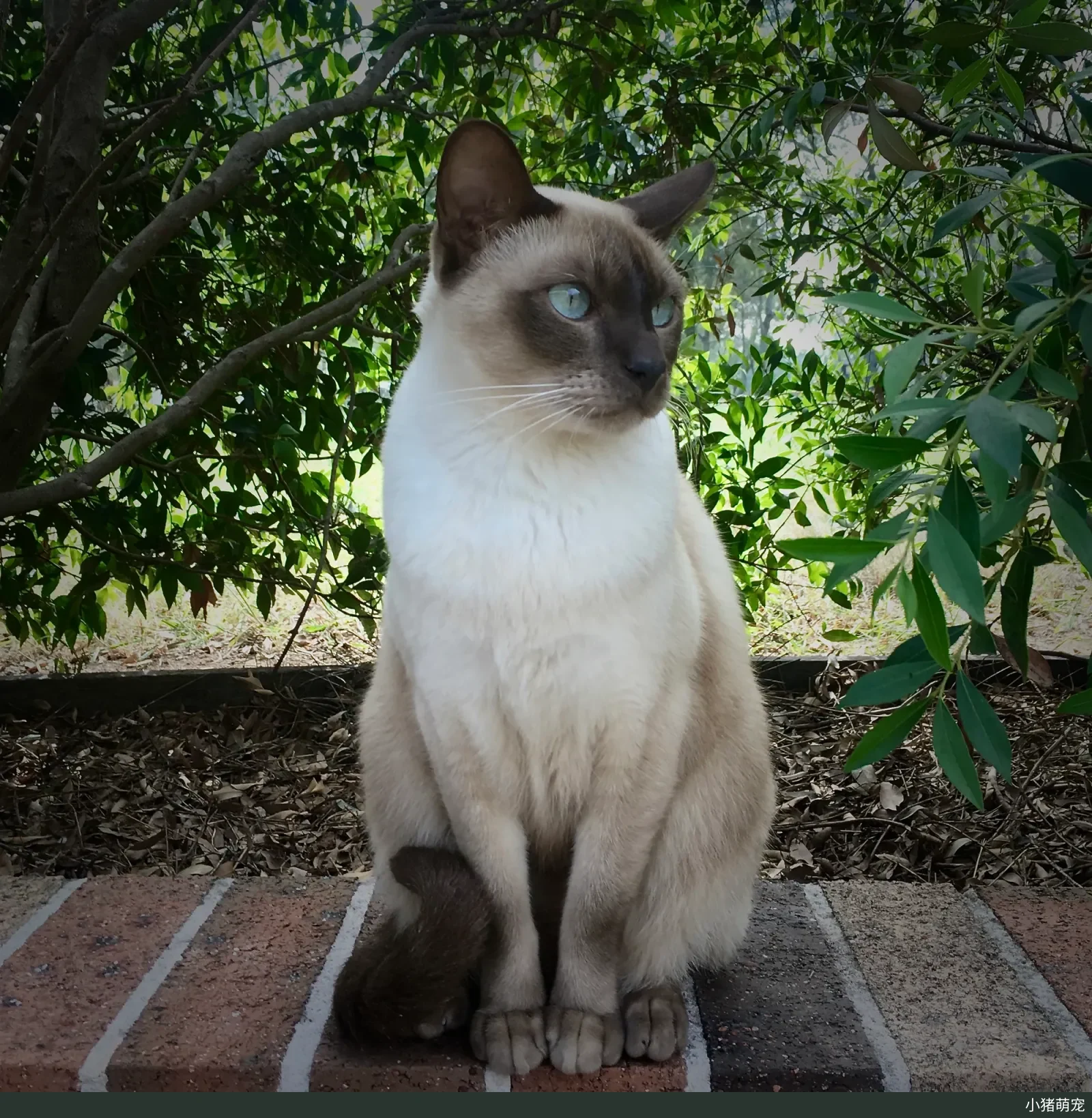
Tonkinese Leo. Photo: Luigi Leahy; source: Wikimedia Commons[6]; CC BY-SA 4.0.

Origins and association recognition
CFA notes that most Tonkinese pedigrees trace to a queen named Wong Mau who arrived in the United States in 1930. After she was bred to Siamese cats, offspring showed mink coloring like hers, Siamese-style pointed patterns, and solid brown; the solid brown line became the foundation of the Burmese, while cats resembling Wong Mau continued in the Tonkinese direction.
In the 1960s, Jane Barletta in the United States and Margaret Conroy in Canada each tried breeding Burmese with Siamese for a moderate-sized cat, later collaborating on the modern Tonkinese. CFA records recognition of the breed in Canada in 1960 and CFA registration acceptance in 1982; mink colors gained championship status in 1984, with pointed and solid colors joining only in 2002. TICA notes cultural background in Thailand’s ancient Cat-Book Poems; the modern breed’s development took place in the twentieth century.
Appearance and temperament
Tonkinese are medium-sized and muscular—often heavier in the arms than they look. The head is a slightly rounded modified wedge, a bit longer than wide; ears are medium with a broader base and oval tips; eyes are an open almond shape. The short to medium-short coat is close-lying, fine, soft, and glossy. TICA’s overview gives weight ranges of about 8–12 lb for males and 6–8 lb for females.
The CFA standard recognizes three patterns—mink, solid, and pointed—each in natural, champagne, blue, and platinum. Mink shows soft contrast between body and darker points, with aqua eye color in the standard; solids have green to yellow-green eyes, pointed cats blue eyes. Kittens start lighter, and color deepens with age.
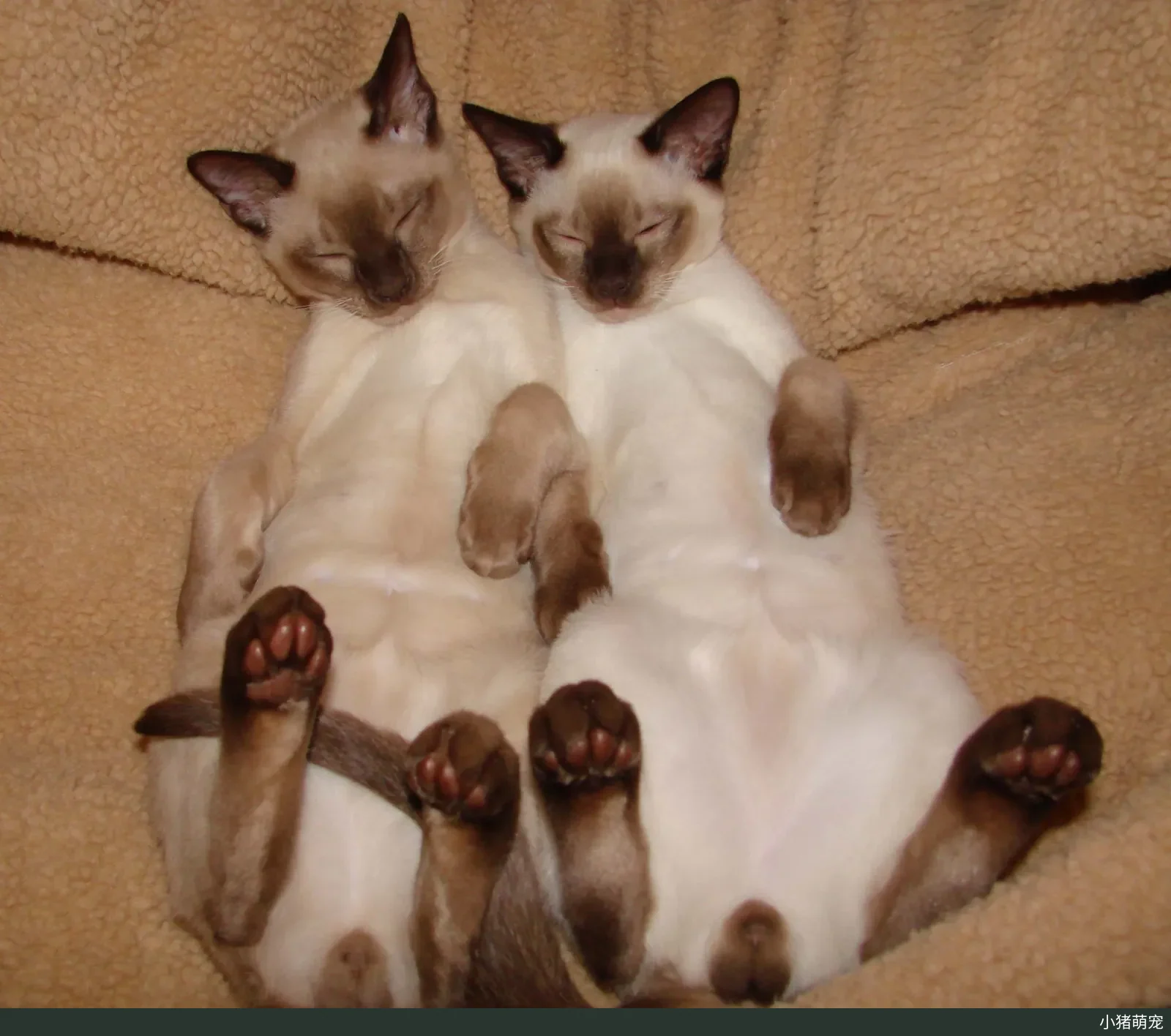
Tonkinese Odin and Oscar asleep. Photo: Angela Thomas; source: Wikimedia Commons[7]; CC BY 2.0.

Tonkinese are usually intelligent and outgoing, happy on laps or shoulders, and they often “talk” with the household. They love chase games, high perches, and interactive puzzle toys; with proper socialization they typically get along with children, dogs, and other pets. Individual temperament varies—watch how each pair responds when arranging shared living.
Health watch-points and daily care
CFA considers Tonkinese generally hardy and specifically notes gingivitis in older cats; gradually introduce toothbrushing from a young age and have a veterinarian check the mouth regularly. TICA’s breed overview also lists dental disease, feline lower urinary tract disease, inflammatory bowel disease, and amyloidosis among health concerns, and reminds owners to watch obesity. These concerns do not mean every cat will develop them; a licensed veterinarian should assess the individual.
Short-coat care is relatively light: TICA suggests a rubber brush weekly to remove loose hair; CFA notes seasonal shedding and brushing two or three times a month. Also trim nails, check and clean ears, and provide sturdy scratching posts, climbing space, and interactive toys. Discuss diet, exercise, vaccines, and spay/neuter with your veterinarian for the individual, and watch weight trends.
They often want human company and do poorly with long stretches of little interaction. Family members can build play and companionship into the daily routine; if people are often away, consider whether another suitable cat companion is possible, introduced gradually. TICA’s overview gives a lifespan of about 12–16 years or longer with good care.