On 16 October 2026 PetfoodIndustry reported that an SGS quality specialist, at a webinar hosted by NASC, warned that changes in suppliers, formulas, and labels can still create compliance risk after an audit. That is industry advice. The original report did not describe a specific recall or announce a new rule. Someone choosing a supplement for a pet still has to look at the product information and at what that pet needs.
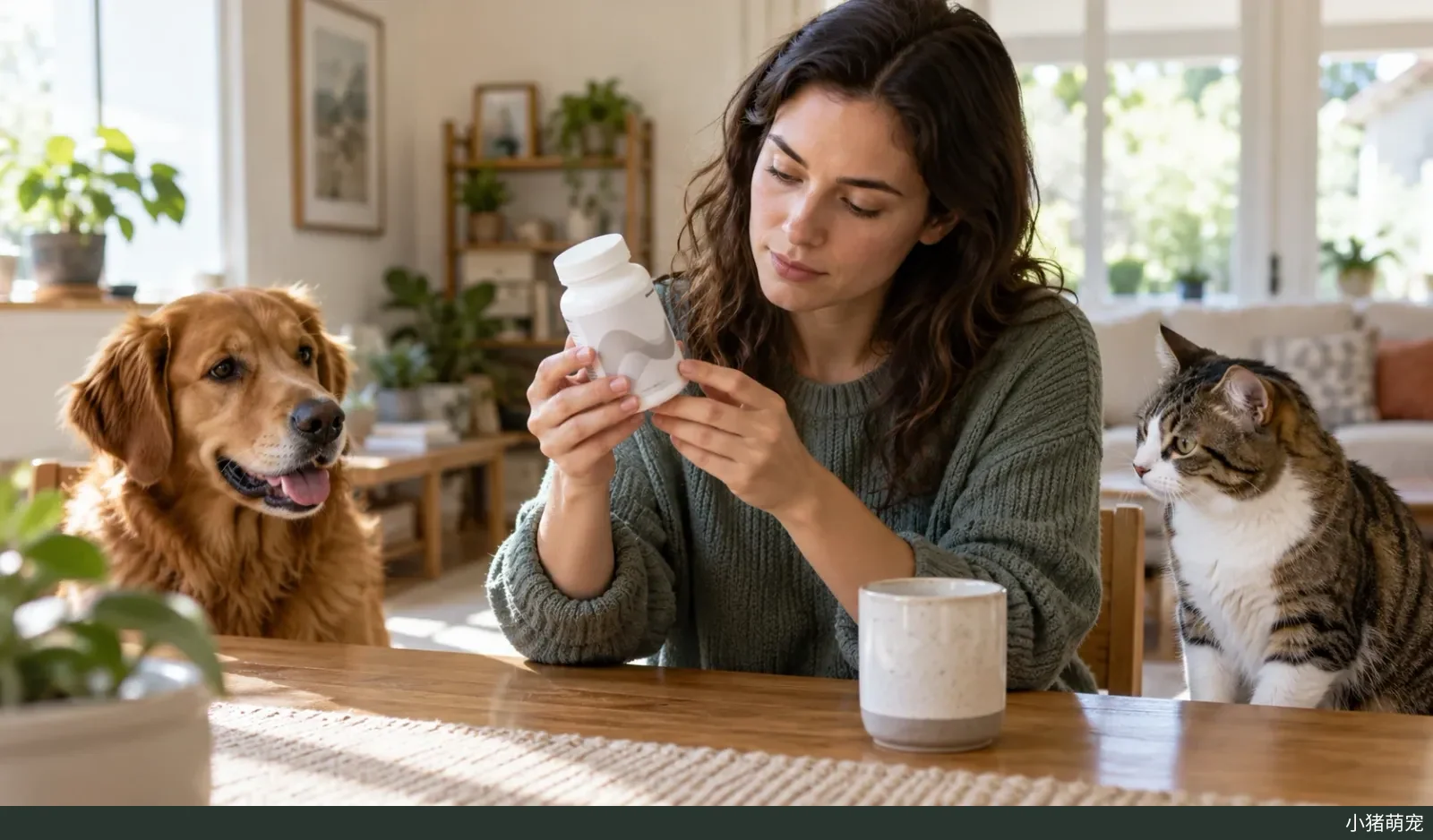
The article does not state a photographer or a separate license for this picture.
Risk between audits, and the limits of the report
According to the original report by Lisa Cleaver, Jennifer Lott, senior director of custom solutions at SGS, said at a webinar hosted by NASC that an audit reflects a state at one moment, and that changes in a company’s ordinary operations still have to be followed.
The risks she listed include a supplier changing the source of an ingredient without timely notice, inconsistency between the review standard for ingredient and finished-product specifications and test reports, and marketing claims, labels, or formula updates that run ahead of quality review. She suggests that a company assign supervision according to supplier performance, test results, and complaint records, and that it test traceability against actual records.
These are risk scenarios and management suggestions from a specialist. The original text gives no rate of occurrence, no specific brand involved, and no independent sampling data, and it does not state the exact date of the webinar. The report also notes that SGS is a preferred supplier of NASC. That business relationship should be kept in view when reading the quality-management advice.
U.S. regulation is not the same thing as a quality mark
In the United States, legal regulation, model rules, and an industry quality mark each do a different job. They should not be mixed into one kind of “approval.” The FDA’s official account says the human Dietary Supplement Health and Education Act (DSHEA) does not apply to animal food. A so-called animal dietary supplement is regulated, according to its intended use, as a food or as a new animal drug. A label that is false, misleading, or missing required information may be misbranding. The rules for human supplements cannot be applied to it directly.
The AAFCO labeling note is explicit. AAFCO writes model regulations for states to adopt. It does not itself regulate, approve, certify, or endorse pet food, and it does not review an individual company’s label. Each state exercises the corresponding authority under its own law. A claim of the form “AAFCO approved” should be checked further for what it rests on.
The official page for the NASC Quality Seal requires a company to pass an independent quality audit and to stay in compliance. That includes a quality-control manual, a system for complaints and adverse events, label rules, random testing by an independent laboratory, and annual training. Those are quality-management requirements behind the mark. They do not support an inference that the product has FDA approval, that every batch was tested, or that it has been shown to work for a particular disease.
What a pet owner can use when choosing, and where that stops
Before choosing, confirm whether the pet needs a supplement. The AAFCO note for consumers says that a healthy dog or cat eating a complete and balanced diet suited to its life stage generally does not need extra nutritional supplementation, and that stacking supplements can push some nutrients past a safe range. Whether to use one, and how to combine it with the diet, should be discussed with a veterinarian first, and the suggested amount and the label should be followed.
Read against this report, a pet owner can move attention from a single mark to particular information: the animals it is for, the ingredients and the amount, keeping the package and the batch information, and asking the maker about batch testing, how ingredient changes are managed, and how complaints are handled. That is a way of choosing drawn from the report. It does not mean a maker will publish every record, and one test report cannot rule out every risk.
Quality-management information helps in judging how a company controls production risk. Whether a product suits a particular pet, and whether it does what it claims, still need the corresponding evidence and a veterinarian’s assessment. This report discusses the U.S. industry and regulatory setting. It cannot be used directly as a conclusion about compliance in the Chinese market, and it is not enough to guarantee the safety or the efficacy of any particular product.

The article does not state a photographer or a separate license for this picture.
- Pet supplement compliance risks can hide between audits
- Animal Foods & Feeds
- NASC Quality Seal
- Labeling & Labeling Requirements
- Supplements