Whippets have two very different daily modes: a quick burst when they chase, then a preference for quiet time beside people at home. The modern breed’s development is tied to working-class racing dogs in northern England, which also left the nickname “the poor man’s racehorse.” Living with one means allowing for exercise and companionship, and also managing warmth needs, easily scraped skin, and anesthesia risk that must be assessed individually at the clinic.
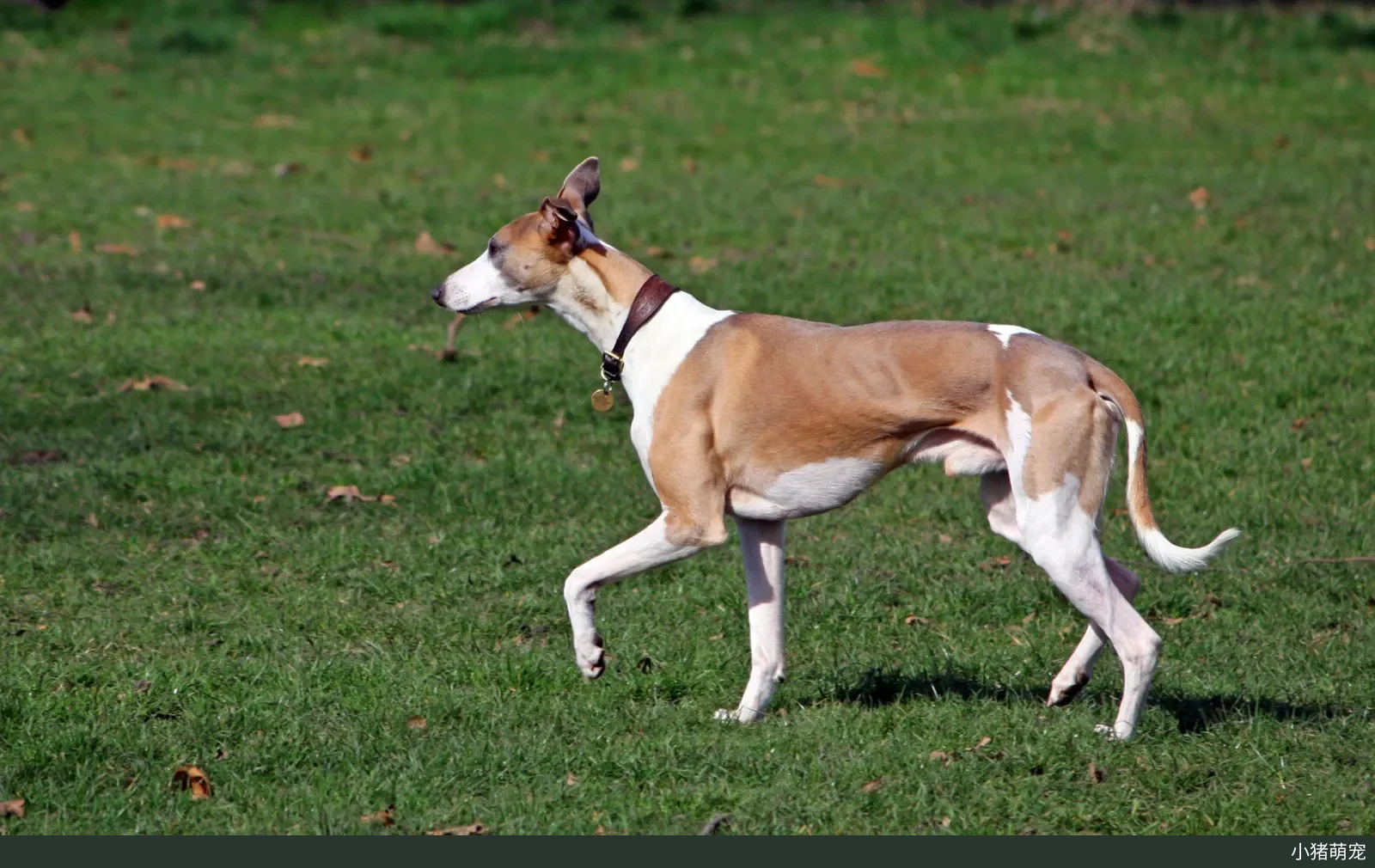
Origins and the sprinting build
“Poor man’s racehorse” refers to workers’ racing entertainment. VCA’s breed profile records that English factory workers and miners raced dogs on rest days; the Whippet’s speed and that pastime together left the nickname. Earlier ancestry narratives do not agree; a safer statement is that the modern Whippet’s development relates to northern England in the late nineteenth century, and no single crossbreeding pedigree should be treated as a fully settled origin. [1]
It is a medium-sized sighthound: deep chest, tucked abdomen, long limbs, combining muscle power with clean lines. The Kennel Club standard updated 1 April 2025 lists ideal height at the withers as 47–51 cm for dogs and 44–47 cm for bitches. That is the breed standard’s ideal range; real individuals may be larger or smaller. [2]
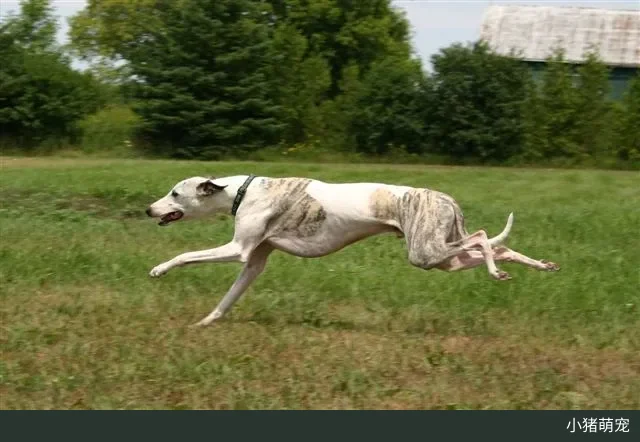
What Whippets excel at is short sprints. The AKC also describes them as natural sprinters; rather than fixating on a top-speed number, remember they need safe chances to chase and run—not long stretches of continuous high speed. [3]
Quiet, people-oriented house companions
Back home, many Whippets show a quiet, gentle, people-seeking side. VCA describes them as enjoying sofa time with the family; The Kennel Club standard also uses words such as gentle, affectionate, and even-tempered. These are breed tendencies; each dog’s experience, socialization, and personality still differ. [1][2]
Affectionate does not mean easy long solitude. PDSA notes that the breed bonds closely with owners and may become anxious when left alone; before deciding to keep one, build daily companionship and gradual alone-time practice into the plan. [4]
Chase instinct also does not vanish because the dog is clingy. Use a leash off enclosed grounds; recall alone cannot guarantee safety. Living with small pets needs extra caution; even cats raised together from puppyhood need supervision—“gentle temperament” is not a guarantee of safe coexistence. [1][3][4]
Daily exercise and keeping warm
Quiet rest depends on daily needs being met. PDSA’s general guidance for Whippets is at least 1 hour of exercise a day, split into several walks, plus chances to run free and sniff in a safely enclosed area. That duration is not a demand for 1 continuous hour of sprinting; activity for puppies, seniors, and sick dogs should follow individual condition and veterinary advice. [4]
Before off-leash play, check that the ground is even, free of thorns or sharp objects, and that fencing is reliable; leash up once you leave enclosed space. Enjoying exercise does not mean it is safe to drop the leash on unfamiliar roads. [3][4]
Warmth deserves equal seriousness. An AKC winter-care article citing veterinary opinion notes that lean, short-coated dogs like Whippets need extra protection in cold weather. Outdoors, prepare a well-fitting coat that does not hinder movement as weather and the individual require; there is no single temperature cutoff that applies to every dog for whether and how thick to dress—ask a veterinarian when unsure. [5]
Skin care and anesthesia assessment
Whippet skin is relatively thin; branches, thorns, and overly rough play can cause scrapes or cuts. PDSA also notes injury risk when running on uneven ground. Choosing safe venues and controlling play intensity matters more than how fast the dog runs. That organization also lists eye disease, mitral valve disease, and other possible health issues—this does not mean every Whippet will develop them, and it cannot be used to estimate an individual’s disease probability. [4]
“Anesthesia sensitivity” needs a precise statement. Dog-and-cat anesthesia guidelines published in 2018 in the Australian Veterinary Journal place Whippets in a sighthound caution category, noting that some drugs may show delayed metabolism or recovery, and stressing temperature monitoring and related management. That is clinical caution for a class of dogs, not a prediction of every Whippet’s response, and not a conclusion that “anesthesia is forbidden.” [6]
When surgery or other anesthesia is needed, tell the veterinarian the breed, prior anesthesia history, medications, and any unusual reactions, so the medical team can plan from exams and history. Owners should not choose or adjust anesthetic drugs themselves; this earlier guideline also cannot replace the attending veterinarian’s judgment of the current plan. [6]
References
[1] VCA Animal Hospitals: Whippet, credited to LifeLearn; page does not clearly mark publication or update date. Used for historical narrative, home temperament, and chase instinct; origin disagreements retained.
[2] The Kennel Club: Whippet breed standard, updated 1 April 2025. Used for build, temperament, and ideal height at withers; standard numbers are not individual guarantees.
[3] AKC: Whippet Dog Breed Information, page does not clearly mark publication or update date. Used for sprint traits, enclosed-space exercise, and leash requirements.
[4] PDSA: Whippet, page does not clearly mark publication or update date. Used for general care advice on exercise, companionship, skin, and health risks—not individual diagnosis.
[5] AKC: Does My Dog Need a Winter Coat? Choosing the Best Winter Coat for Your Dog, by Sassafras Patterdale, citing veterinarian Jolee Stegemoller; page as read does not clearly mark publication or update date. Used for warmth and coat-fit advice.
[6] Warne et al.: STANDARDS OF CARE Anaesthesia guidelines for dogs and cats, first published 28 October 2018, Australian Veterinary Journal, 96: 413–427. Breed-related anesthesia caution table and preoperative history assessment sections checked; clinical guidelines, not a study of Whippet individual risk rates.
All materials above were consulted on 19 October 2026; page crawl time was not used as publication date.
Image credits and licenses
Hero image: Photo by Karen Arnold, source: Public Domain Pictures, CC0 1.0.
In-article image: Whippet Peri running, photo by Deanna_, source: Wikimedia Commons, with Flickr license record, CC BY 2.0. Used to show running form; fencing conditions cannot be confirmed from the frame.

Neither image was intentionally cropped or altered in content; imported and format-converted by the workspace.