With Halloween on 31 October approaching, this site’s RSS provided a FIDO Friendly news lead on the risks of dogs eating candy, dated 16 October 2026; the original page’s date and full text have not yet been verified. Building on that reminder, this article draws on FDA, Merck Veterinary Manual, and animal poison-control originals to outline hazardous ingredients, packaging risks, and what to do after ingestion.
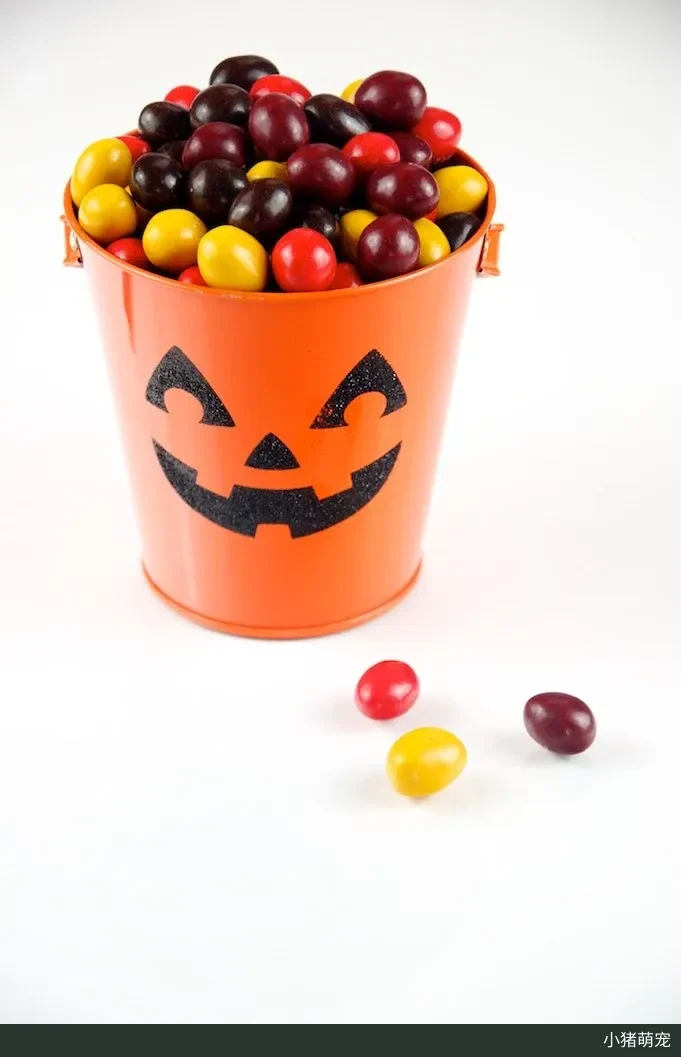
Candy ingredients and packaging risks
Sugar-free candy and gum with xylitol need special care. The U.S. FDA warns that xylitol can trigger insulin release in dogs and cause dangerous hypoglycemia; “sugar-free” does not always mean xylitol is present—check the ingredient list for “xylitol.” If ingestion is suspected, seek help at once. [1]
Chocolate’s hazardous components include theobromine and caffeine. The Merck Veterinary Manual notes that cocoa powder, baking chocolate, and dark chocolate usually contain higher concentrations of these substances than milk chocolate; risk also depends on amount ingested, the dog’s weight, and individual differences—“just a small piece” is not a safety judgment. [2]
Wrappers count too. Pet Poison Helpline notes that foil, cellophane wrappers, and lollipop sticks can cause intestinal obstruction and may require surgery in severe cases. After swallowing packaging, vomiting, reduced appetite, lethargy, or abnormal stools warrant prompt veterinary care; whether there is a blockage needs veterinary examination and cannot be ruled out from wrapper size alone. [3]

Signs after ingestion and how to get help
Xylitol toxicosis can bring vomiting, weakness, unsteady gait, collapse, and seizures. Chocolate toxicosis may show as vomiting, diarrhea, restlessness, rapid heart rate, tremors, and in severe cases seizures. Signs need not appear at once; a dog that is still lively is not a reason to keep waiting. [1][2]
If you find or suspect ingestion, stop further access and contact a veterinarian or pet emergency service at once. Keep the packaging and ingredient list; note approximate time of ingestion, how much is missing, and the dog’s weight; if you cannot estimate, say so honestly. Without clear veterinary guidance, do not induce vomiting or try home remedies. [3]
The ASPCA Animal Poison Control hotline is (888) 426-4435; the organization says it operates year-round around the clock and may charge a consultation fee. This is U.S. help information and should not be treated as a domestic emergency channel. [4]
Prevention and vet care for households outside the U.S.
For households elsewhere, the reminder still applies to everyday snack storage: put candy, gum, and snack bags in closed cabinets dogs cannot reach, clear wrappers from the floor promptly, and do not treat high counters as absolutely safe. The FDA also advises keeping xylitol-containing foods and products where dogs cannot get them. [1]
If ingestion happens outside the U.S., prioritize a local clinic that can see emergency pets, and bring the product packaging. Whether the U.S. hotline can be reached from China, offer Chinese-language service, or how payment works was not verified here—do not delay care trying an overseas number. Overseas product formulas also cannot replace the label on the package in hand; specific risk is assessed by the attending veterinarian from the product, amount ingested, and the dog’s condition.
References
-
[1] U.S. FDA: Paws Off Xylitol; It's Dangerous for Dogs; original text read; page showed no publication date.
-
[2] Merck Veterinary Manual: Chocolate Toxicosis in Animals; full review September 2024, updated February 2026.
-
[3] Pet Poison Helpline: Halloween Pet Safety: Dangers for Dogs & Cats; page marked updated October 2026.
-
[4] ASPCA: ASPCA Poison Control; hotline and service information read 18 October 2026.
-
Original news lead: FIDO Friendly: Dangers of Halloween Candy for Dogs. This site’s RSS date was 16 October 2026; direct fetch of the original page failed; date and full text still await verification against the source.
-
Hero image: Photo by TheCulinaryGeek, Wikimedia Commons original, CC BY 2.0. In-article image: Photo by André Karwath aka Aka, Wikimedia Commons original, CC BY-SA 2.5. Both are stock photos, format-converted by the import service, not from this news scene.
-
Verification limits: The FIDO Friendly original page could not be read; publication date and full text were not verified against the source; the lead is limited to the news clue from this site’s RSS. Medical basis already read is listed in the references; workspace sources write-back returned “material format or original link invalid,” so structured sources and sourceIds links were not built.

