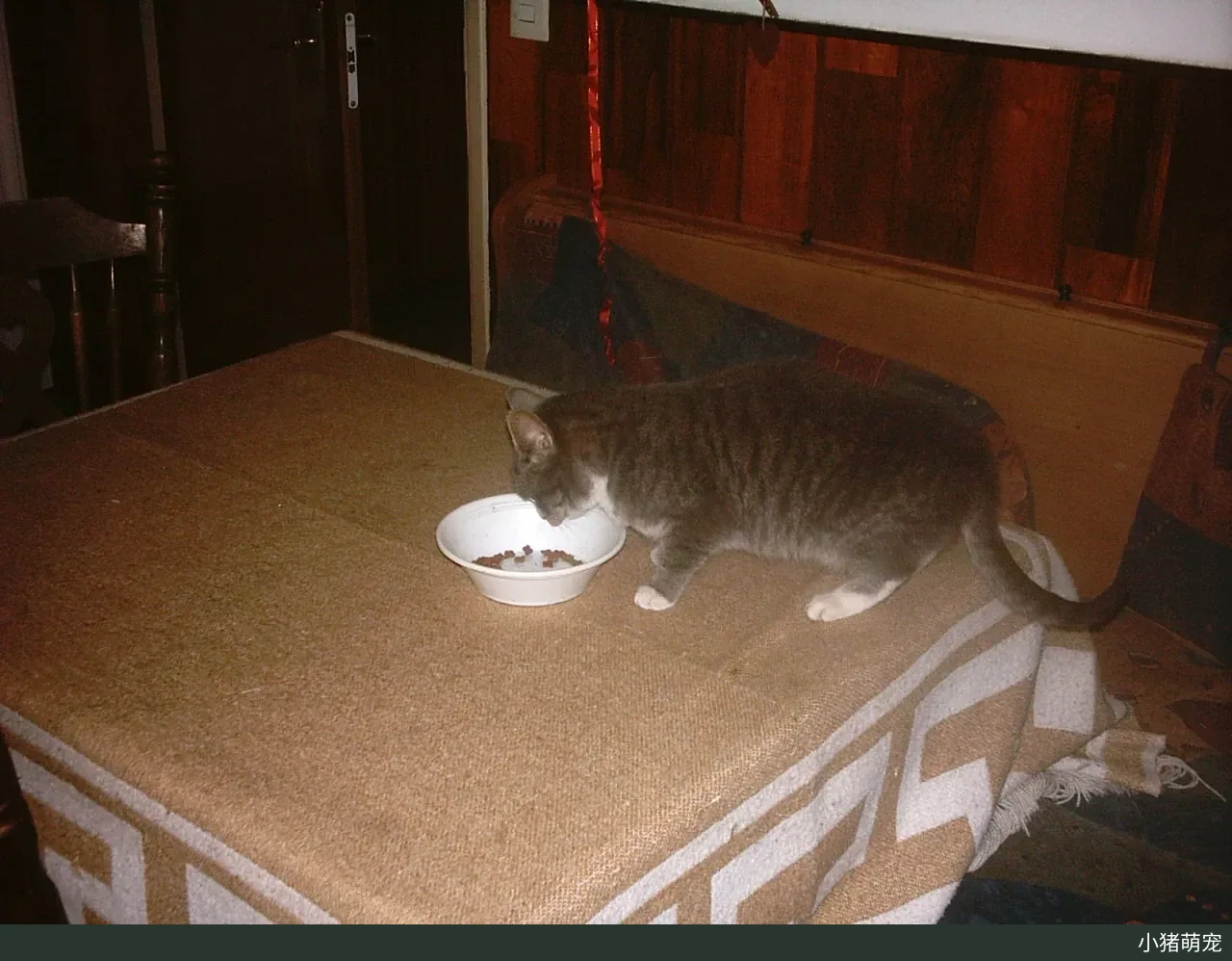
A house cat eating from a bowl. Photo: Andre Engels; source: Wikimedia Commons; license: CC BY 1.0

In August 2026 the Association of American Feed Control Officials (AAFCO) voted through a new cat-food calcium–phosphorus standard: total phosphorus of at most 5 grams per 1000 kilocalories of metabolizable energy, of which phosphorus from highly soluble phosphates is capped at 1 gram, with a calcium-to-phosphorus ratio of at least 1:1. In October the association recommended that states allow manufacturers a transition period aligned with label modernization. The new rules target potential kidney risk from soluble phosphates in cats; shelf products will not all change formulas overnight.
The new standard and the transition plan
On 26 August 2026, at the membership business meeting of AAFCO’s annual meeting in San Diego, members approved several Pet Food Committee recommendations: add a total phosphorus maximum to the AAFCO Cat Food Nutrient Profiles—at most 5 grams of phosphorus per 1000 kilocalories of metabolizable energy (kcal ME), with phosphorus from highly soluble phosphates limited to 1 gram; and set a minimum calcium-to-phosphorus ratio of 1:1. “Highly soluble” means a phosphorus-containing mineral that dissolves more than 80% after 1 minute in water. Examples listed in the meeting minutes include Disodium Phosphate, Monosodium Phosphate, Phosphoric Acid, Sodium Hexametaphosphate, Sodium Tripolyphosphate, Tribasic Sodium Phosphate, and Sodium Acid Pyrophosphate.
In October, AAFCO posted a companion enforcement-discretion position statement on its website. The file itself carries no specific date; industry outlet PetfoodIndustry reported it on 14 October. The statement recommends that state feed regulators, during the established Pet Food Label Modernization (PFLM) transition period, refrain from enforcement action against products that do not yet meet the new calcium–phosphorus requirements; products reformulated solely to meet the new standard need not, in principle, be treated as new products requiring re-registration or extra fees, though each state retains its own determination. The new requirements apply to products in both old and new label formats. AAFCO also stresses that this arrangement should not be read as delaying implementation of the new nutritional science conclusions.
Basis for the limits and the edges of the evidence
The revision grew out of a calcium–phosphorus expert panel that the AAFCO Pet Food Committee requested be formed in January 2024. All seven members had combined veterinary and nutrition backgrounds; the report was submitted on 20 January 2025. The panel noted that over the past six years, at least four papers from different research teams had found that certain highly soluble, readily absorbed phosphorus-containing minerals can, under specific conditions, injure adult cats’ kidneys—observable as early as four weeks after feeding of the trial diets began.
The panel also drew clear boundaries: the renal toxicity found so far is limited to highly soluble sodium- and potassium-salt phosphates; not all phosphates are implicated. Five grams of total phosphorus is the highest level shown safe in the existing literature; the report frankly says it “may not be a true upper limit,” only a conservative value until a clearer no-observed-adverse-effect level (NOAEL) is established. On the calcium–phosphorus ratio, many of the diets that caused kidney injury in studies were high in phosphorus and low in calcium, while ratios of 1:1 or higher showed a protective effect. The panel judged the evidence insufficient to set an upper limit on the ratio, so only a lower bound was specified.
What it means for cat owners
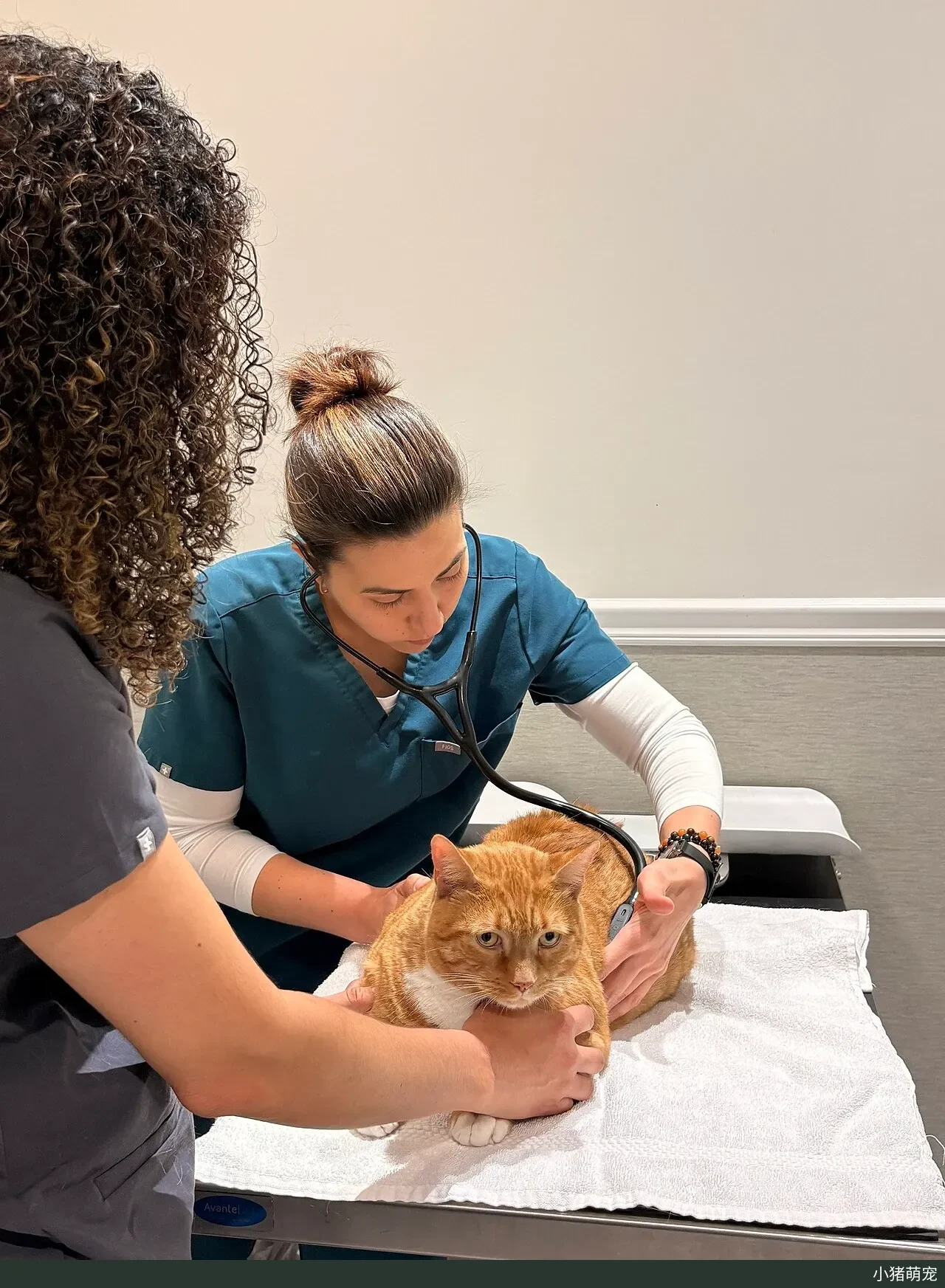
A veterinarian examining an orange cat with a stethoscope. Photo: Veterinarian Pet Alliance; source: Wikimedia Commons; license: CC BY 4.0

Think of it this way: the total phosphorus cap is like setting a total sugar limit for a cup of milk tea, while the highly soluble phosphate limit separately watches the fastest-absorbed kind of sugar within that total. For the cats at home, a few points are worth watching.
- The new standard will not appear on shelves overnight. The transition is aligned with PFLM; AAFCO’s recommended PFLM enforcement-discretion period is six years, counted from the date the printed 2024 Official Publication became available. During that time, foods made to old and new standards may both be on sale.
- When reading ingredient lists, you can watch for the phosphates named above. Their presence on the list does not mean a product exceeds the limit; the new standard restricts totals. For specific amounts, ask the manufacturer for total phosphorus and calcium per 1000 kcal.
- For cats already diagnosed with chronic kidney disease or on prescription diets, ask the attending veterinarian before changing food—do not adjust on the strength of this news alone.
- Scope is limited. AAFCO nutrient profiles are model provisions for U.S. states to adopt; this article discusses only changes within the U.S. regulatory framework and does not represent requirements elsewhere.
References
-
AAFCO. AAFCO Position on Enforcement Discretion Related to Feline Calcium and Phosphorus Nutritional Profile Updates (uploaded October 2026; file undated)
-
AAFCO. 2026 AAFCO Annual Meeting Business Meeting Minutes (meeting date 2026-08-26)
-
AAFCO Expert Panel on Phosphorus and Calcium in Cat Food. Expert Panel on Phosphorus and Calcium in Cat Food Report to the AAFCO Pet Food Committee with Recommendations (submitted 2025-01-20)
-
AAFCO. AAFCO Position on Enforcement Discretion Related to Pet Food Label Modernization Changes
-
Lisa Cleaver. AAFCO aligns feline calcium, phosphorus enforcement with PFLM. PetfoodIndustry, 2026-10-14
-
Xiaozhu Pets · Welcome to my pet planet