
A veterinarian performing an annual checkup on a black short-haired dog on the exam table of a mobile veterinary clinic, one hand steadying the dog and the other giving a thumbs-up. Photo: Tony Alter; source: Flickr; license: CC BY 2.0.
On 16 October 2026, pet-industry outlet GlobalPETS summarized surveys from the UK, the US, and Canada: about three in ten UK cat and dog owners had delayed or skipped veterinary care because of rising costs; about six in ten US owners were unsure they could afford a pet emergency; and veterinarians in the US and Canada widely saw cost as the top reason owners decline recommended treatment. These figures all come from questionnaires and reflect respondents’ self-reports and views.
United Kingdom: boosters and microchips most often delayed
UK data come from pet retailer Jollyes. It commissioned pollster OnePoll to interview 2,000 UK cat and dog owners from 17 to 21 January 2026; about 30% said they had delayed or skipped veterinary care for their pets because of price rises. Per GlobalPETS, that share rose to 46% in London.
What was delayed most were routine prevention items: in the past 12 months, 50% of respondents skipped or delayed annual booster vaccines, followed by puppy and kitten vaccines (28%) and microchipping (26%). Another 31% said chip costs affected compliance with cat-microchip rules. Note that the requirement currently applies only in England: since 10 June 2024, cats must be microchipped and registered before 20 weeks of age—including indoor cats—with fines up to £500 for non-compliance.
Price transparency was also a widespread ask: 92% supported clinics posting clear prices for common items such as vaccines and chips in-store and online; 63% thought veterinary corporate groups should set nationwide uniform prices.
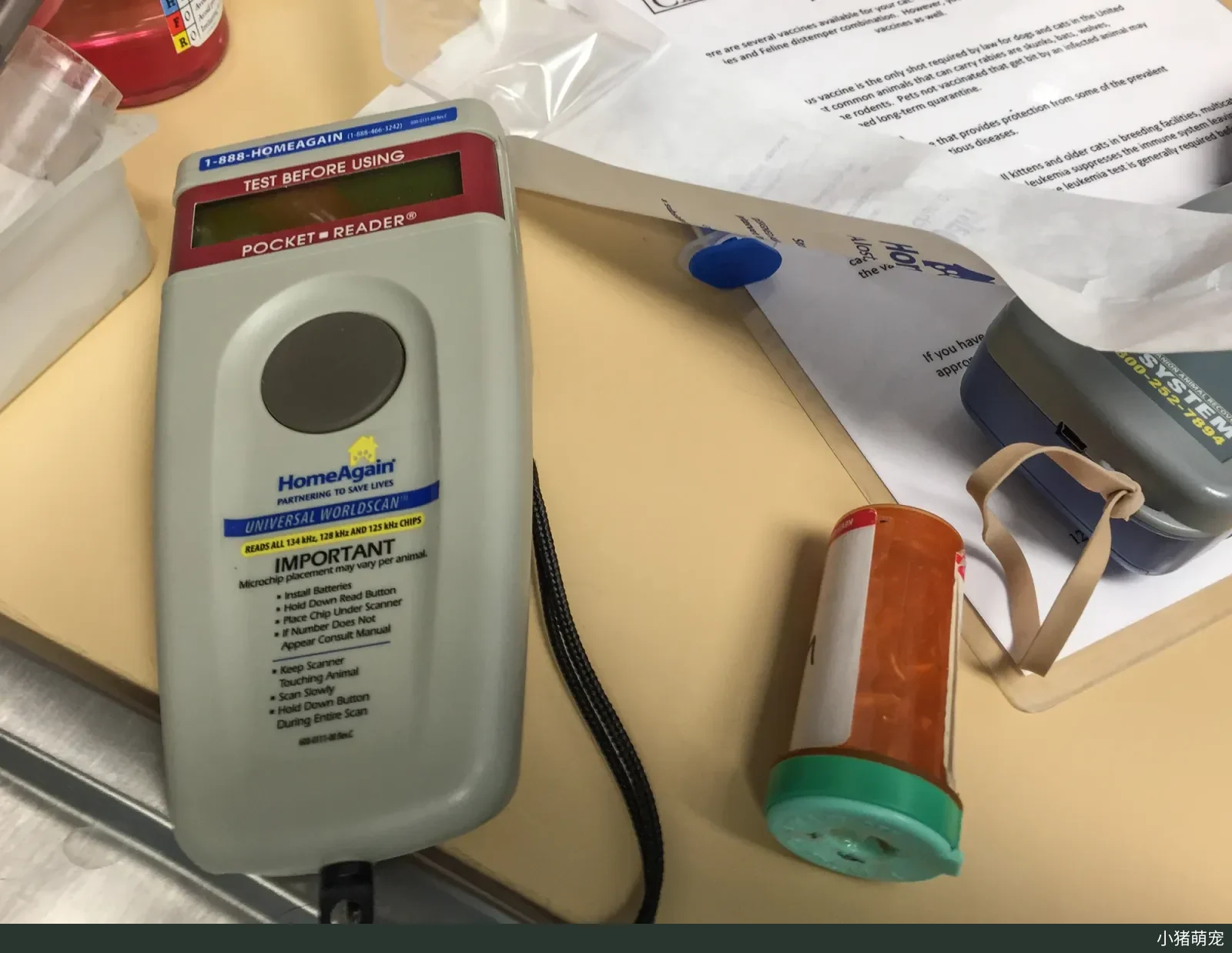
A syringe and scanner used to implant and read subcutaneous identification chips in cats and dogs. Photo: Tony Webster; source: Wikimedia Commons; license: CC BY 2.0.

United States: emergency-cost pressure and a gap in client–vet perceptions
The American Society for the Prevention of Cruelty to Animals (ASPCA) released a survey on 11 March 2026 saying about six in ten US pet owners were unsure they could afford a pet medical emergency; the ASPCA estimated that more than 100 million pets face a risk of going without emergency care. GlobalPETS added more detail: YouGov ran the survey with a sample of 1,536; 58% worried about rising veterinary fees, and about four in ten were unsure they could afford routine care. Those methods and breakdowns, however, do not appear in the ASPCA’s own press release.
Another dataset comes from research by Gallup with PetSmart Charities. From 9 September to 5 October 2025, Gallup surveyed 933 practicing US veterinarians online: 94% said clients’ financial situations sometimes or often prevented them from providing recommended treatment; among reasons for decline, cost was mentioned at least twice as often as any other factor.
More striking is the gap between veterinarians and owners. Eighty-one percent of veterinarians said that when clients decline treatment over cost, they often or always offer alternatives; yet in Gallup’s earlier pet-owner survey, 73% of owners who declined treatment over cost said the veterinarian never offered a cheaper option. Payment plans show a similar pattern: 73% of veterinarians said the practice offers third-party financing, but only 19% said they always raise it proactively—more often only after clients voice financial concern (57%) or ask (48%).
Canada: spectrum-of-care idea and practice
The Canadian veterinary survey was also Gallup with PetSmart Charities of Canada: 369 practicing veterinarians surveyed online from 9 to 23 September 2025, with results released in late February 2026. Ninety-five percent of veterinarians said clients’ financial limits often or sometimes affect care. When clients decline over cost, 87% of veterinarians often or always offer alternatives; yet in the same series’ owner survey, only 28% of people who declined treatment over cost recalled being offered a lower-cost option.
The report also focuses on “Spectrum of Care”: offering options from basic to advanced based on the pet’s condition, the owner’s circumstances, and the care team’s capacity. Ninety-three percent of Canadian veterinarians know the idea, but only 51% feel school prepared them to practice that way. After an exam, only 19% first learn what the owner expects from treatment; 72% list multiple options for the owner to choose; 9% lead with the most medically advanced plan. On when to talk money, 21% learn about clients’ financial concerns before giving recommendations, 51% after presenting options, and 28% wait until the client asks about cost or declines treatment.
Takeaways for pet owners and limits of the data
For pet owners, these surveys point to the same reality: when money is tight, the first things cut are often boosters, chips, and other “not urgent” prevention, and veterinarians may not raise cost on their own. At appointments, it helps to state a budget and ask directly—“Is there a stepwise or more basic plan?” “Can the clinic offer financing?”—and day to day to keep an emergency cushion or look into pet insurance early. Cat owners in England should also remember that microchipping is a legal requirement. How to trade off is best worked out with your own veterinarian.
Read these numbers with a few caveats. First, they all come from questionnaires and reflect self-reports and views, not visit records; Gallup’s veterinary samples came from voluntary professional panels and partner referrals, not random sampling, and the Canadian sample’s overall margin of error is about ±5.2 percentage points. Second, UK data were commissioned by Jollyes, which runs its own low-cost veterinary clinics; the full data tables are currently inaccessible, and London’s 46% and similar breakdowns appear only in secondary reporting; ASPCA sample size and breakdowns also appear only via GlobalPETS. Third, secondary reporting and primary releases diverge: GlobalPETS wrote that 97% of US veterinarians saw cost as the “main reason,” while the Gallup report’s meaning is that 97% of veterinarians said cost is at least “sometimes” a reason clients decline treatment (sometimes 33%, often 50%, almost always 14%); the share who “gave up something they wanted to pay a vet bill” is 23% in GlobalPETS and 25% in Jollyes’ release. Fourth, the three countries differ in timing, respondents, and question wording—direct cross-country comparison is not appropriate.
References
-
GlobalPETS (Diana Dominguez), 2026-10-16: Data: Cost pressures drive veterinary care delays across UK, US and Canada
-
petworldwide (reporting Jollyes release), 2026-01-29: One in three pet parents skip or delay treatment
-
GOV.UK / Defra, 2024-06-10: Cat microchipping now mandatory
-
ASPCA, 2026-03-11: Majority of America’s Pet Owners Unprepared for Costly Medical Emergencies, New ASPCA Report Warns
-
Gallup (Andy Kemp), 2026-01-19: Veterinarians Say Cost Is the Main Driver of Declined Care
-
PetSmart Charities / Gallup, full report (undated): PetSmart Charities-Gallup State of Pet Care Study: Veterinarian Perspectives on American Veterinary Care
-
Gallup (Andy Kemp), 2026-02-23: Canadian Veterinarians Cite Cost as Top Barrier to Care
-
PetSmart Charities of Canada, 2026-02-24: Canadian Vets Say Financial Barriers Limit Pet Care