The British Shorthair is a solidly built domestic cat with a round head and face and a short, dense coat. Blue-grey is only one of many colors. It is usually quiet and attached to people, but it may not want to be held. To know the breed, keep the typical outline and temperament apart from the differences among individual cats, and take weight management and screening for inherited disease seriously. A round face, or a plump look, does not establish health or pedigree.
Where the breed comes from
The British Shorthair is a short-haired domestic breed. The CFA and TICA trace its ancestors to the domestic cats of ancient Rome. The account of how those cats entered Britain includes conjecture, and it should not be treated as a modern pedigree that can be checked in an unbroken line. The two world wars affected the breeding population. Afterward the breed was crossed with Persians and other domestic cats in order to restore it.
Outline and color
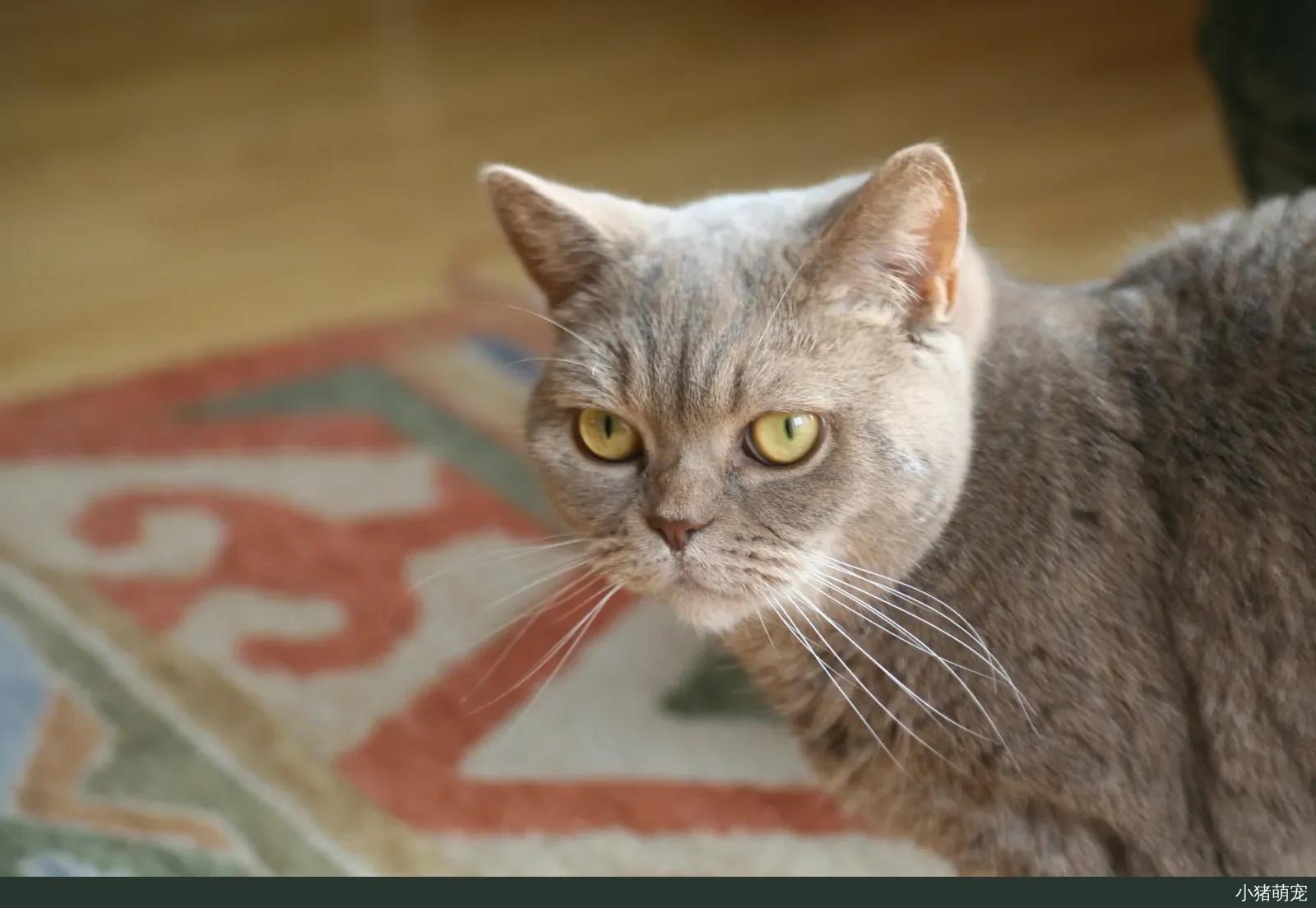
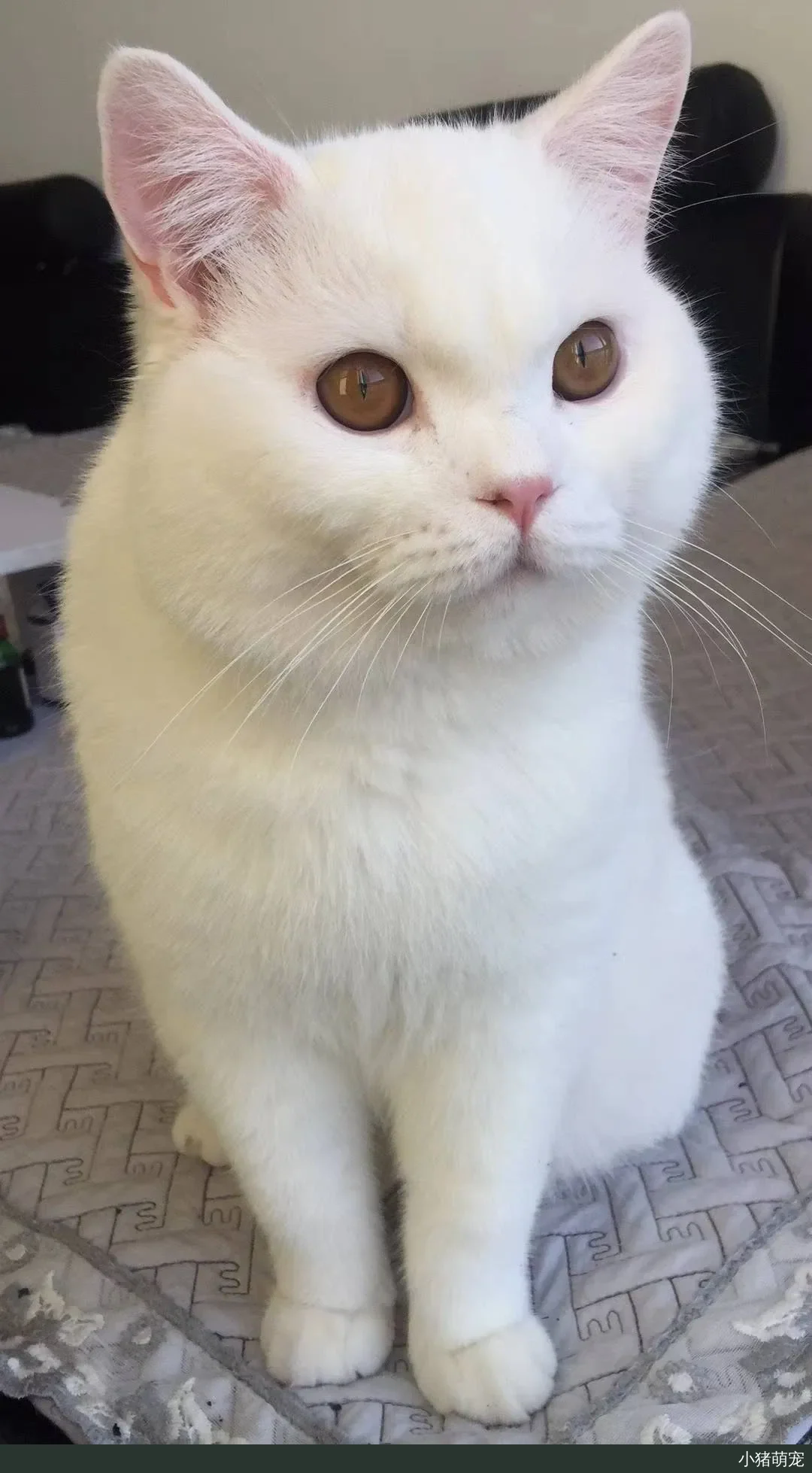
A typical British Shorthair has a broad chest, a solid body, and a round head and face. The ears are set wide, and the eyes are large and round. The coat is short and dense. Besides blue-grey there are other solid colors, bicolors, and tabbies. Blue-grey is not a breed of its own. A similar appearance does not replace a pedigree record.
Temperament and living together
The CFA and TICA describe the British Shorthair as quiet, attached to people, and relatively steady. It will often stay near a person, but it may not like being held. When you approach, leave it the choice to come closer or to leave. A breed description is a tendency. It does not guarantee that every cat will suit children or a household with other pets.
Health risks and day-to-day care
The PDSA lists hypertrophic cardiomyopathy (HCM) and polycystic kidney disease (PKD) among potential problems, and it stresses that not every cat of the breed becomes ill. A genetic test exists for PKD. You can ask about past history and about test records that apply, and a veterinarian decides what screening an individual cat needs. The CFA’s health note is more general. It cannot be used to rule inherited disease out. These sources do not give one shared prevalence figure.
The CFA suggests brushing once a week, and adjusting that during a shed according to how much hair is actually coming out. TICA says to watch the diet: a large frame does not mean the cat needs to be overfed. Check body condition regularly, make time for play, arrange health checks, and include dental care. This article is for recognizing the breed. It is not a diagnosis of an individual cat.
References
- CFA, British Shorthair. History, outline, and care.
- TICA, British Shorthair. Temperament, history, and diet.
- PDSA, British Shorthair. Potential health problems.
- The pages do not show a clear publication date. Accessed 27 October 2026. A breed-club profile and a veterinary explainer cannot predict the chance that one cat will become ill.
- Piggy Pets.