Goldfish look like the most familiar starter pet, yet they are often shortchanged by small round bowls and the idea that they “don’t live long.” After more than a thousand years of selective breeding in China, breeds differ greatly in swimming ability, adult size, and care difficulty. Keeping a goldfish well means first preparing a water environment that can handle waste, and leaving room for years of companionship; when you can no longer keep one, releasing it into a river or lake is not a responsible way out.
Domestication history and common breeds
Goldfish (Carassius auratus) are ornamental fish shaped by long selective breeding in China. A 2013 mitochondrial study supports a maternal lineage closely related to wild crucian-carp lineages in southern China, especially the lower Yangtze; that speaks to genetic origin, not a calendar year when goldfish were “invented.” A 2016 review notes ornamental breeding records already in the Song dynasty (960–1279), with stronger artificial selection likely beginning then. Treating the Song as an important stage in ornamental goldfish domestication is more accurate than claiming no one kept red crucian carp before then.[1][2]
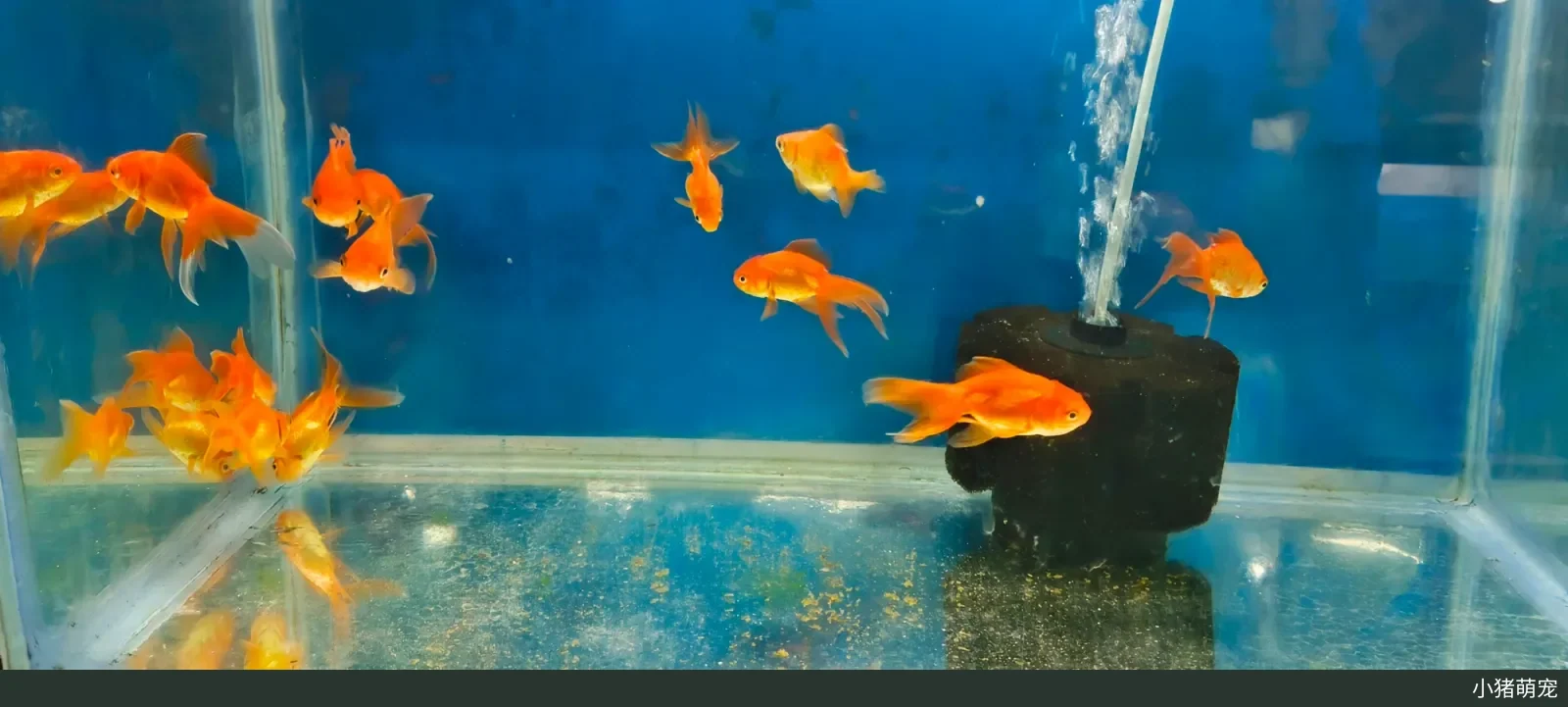
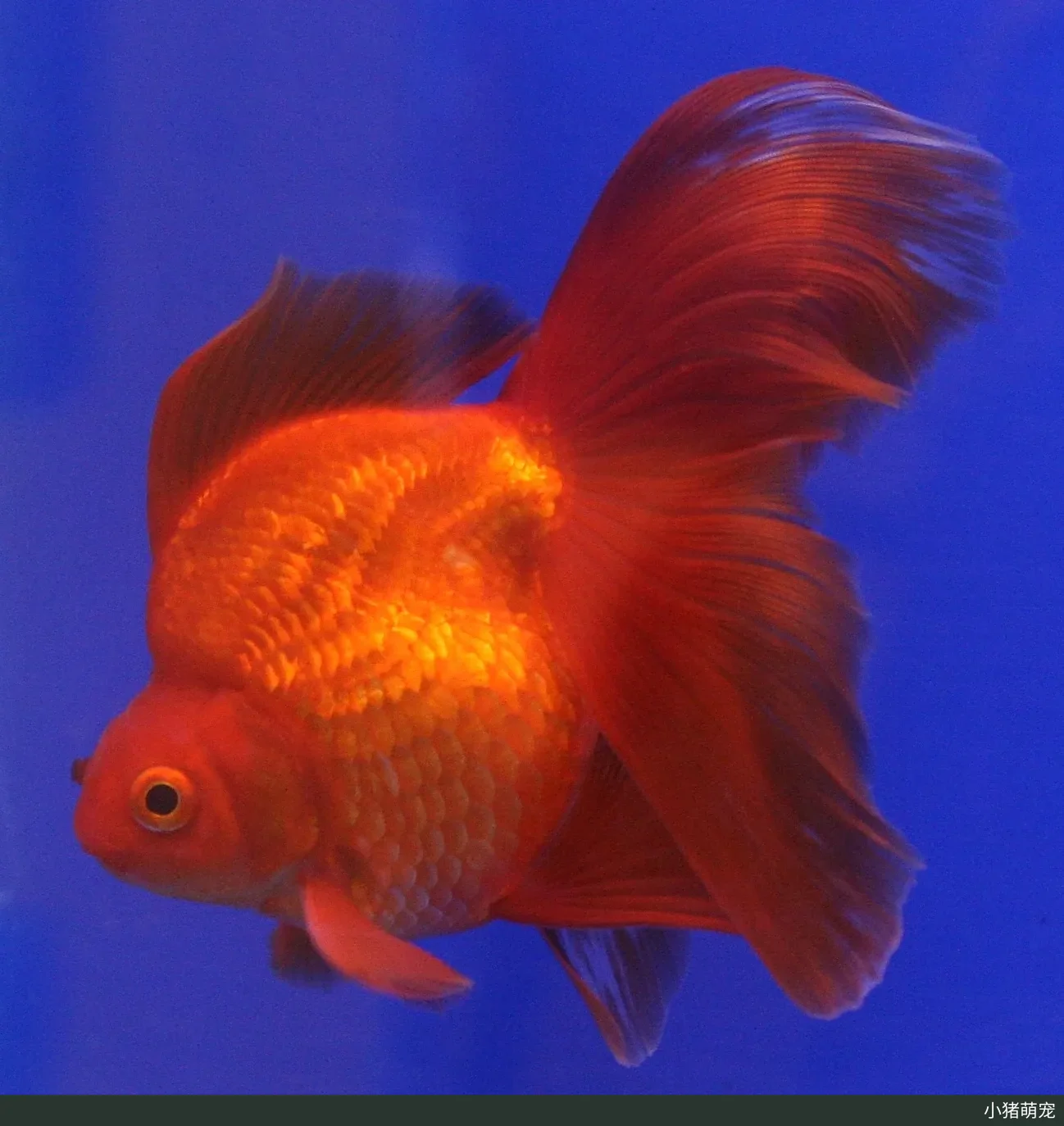
When choosing a breed, look first at body shape, dorsal fin, and eyes—not only color. Common goldfish and comets are more elongate and swim faster; Ryukin, Oranda types with head growths like the lionhead/tiger-head style, and black telescope-eye fancy goldfish differ in form and swimming ability. Traditional grouping often uses grass, wen, and egg types, with some systems listing telescope-eye separately: grass types are more elongate, wen types keep a dorsal fin, egg types have none. These are breed groups, not different species.[2][4]
Lifespan, size, and tank space
Goldfish lifespan should not be expected as “a few months,” nor should longevity records be treated as a guarantee. OATA materials list fancy goldfish living 6–8 years in husbandry reports, with 20+ years rare; the RSPCA notes records of goldfish living to 25. These are not a single average lifespan, but enough to remind keepers: this can be a multi-year care responsibility.[4][5]
Adult size also needs planning ahead. OATA says common goldfish in tanks can grow to about 25 cm, fancy varieties usually not over 20 cm; the RSPCA also records some goldfish exceeding 30 cm. This article follows OATA’s starter home-tank guidance: at least 100 L for one adult, plus 50 L for each additional fish, then expand further for adult size, swimming space, and water quality. That is care advice, not a universal safety formula; fry being small does not mean they can live long-term in a tiny round bowl.[3][4][5]
Filtration, the nitrogen cycle, and water changes
What must be established first are the microbes in the filter. Ammonia from goldfish waste is toxic; biological filtration converts it to equally toxic nitrite, then to less toxic nitrate that still must not accumulate—that is the core of the aquarium nitrogen cycle. Clear water does not mean safe water, and zeros in a freshly filled empty tank do not prove the cycle is established. The RSPCA recommends cycling without fish, monitoring ammonia and nitrite as they rise then return to zero, then adding fish gradually; timing varies with conditions and cannot be reduced to “aging the water for a few days.”[6]
Filters should run continuously and handle both solid waste and biological filtration; fancy goldfish prefer gentler flow. Test water at least weekly; targets for ammonia and nitrite are both 0 mg/L. OATA suggests about 25% partial water changes weekly while siphoning bottom debris; treat new water for chlorine and chloramine, and match temperature as closely as possible to tank water. When media need cleaning, rinse gently in removed tank water. If ammonia or nitrite appear, change water promptly, retest, and check filtration and stocking density—do not wait for the fixed change day.[3][4][6]
Feeding, health, and responsible rehoming
Feed primarily a complete food suited to goldfish, in small amounts while watching what is actually finished, and remove leftovers promptly. Constant searching for food does not mean constant need for more. Fancy goldfish can use slow-sinking pellets so slower swimmers get a share; mixing fast common goldfish with fancy types may leave the latter outcompeted for food.[3][4]
Common health issues include stress from poor water quality, white-spot disease from Ichthyophthirius, and fin rot, cotton-like growths, and buoyancy problems that need further diagnosis. FDA disease notes say Ich can enter with new fish or shared equipment and spreads quickly. On seeing white spots, persistent gasping at the surface, clamped fins, loss of balance, or refusal to eat, test water first and contact a veterinarian who sees fish, noting symptoms and recent additions or water changes. Breeding tubercles (“star chasing”) on males’ gill covers and pectoral leading edges in the breeding season can also be normal—do not dose at the first white spot; buoyancy problems cannot be blamed on overeating from appearance alone.[3][4][7][8]
When you can no longer keep one, do not put goldfish into rivers, lakes, or park ponds. Minnesota’s Department of Natural Resources notes that wild goldfish populations can compete with native fish, stir sediment while foraging, raise turbidity, and affect plants and habitat; the state lists them as a regulated invasive species and bans release. That legal status is local and does not map directly onto China, but the ecological risk warrants caution.[11]
In China, the point is also not “goldfish originated here, so release is fine.” Article 10 of the Provisions on the Administration of Aquatic Organism Enhancement and Release requires using compliant local species and prohibits releasing aquatic organisms that do not meet ecological requirements. A 26 September 2022 interpretation from the Yantai Municipal Bureau of Marine Development and Fisheries further states that ornamental fish such as goldfish and koi are selectively bred varieties and must not be released into open waters. That is an official explanation of specific targets, not a blanket finding that all goldfish are invasive alien species in China. If you truly cannot continue, contact the original seller or find a rehoming home with suitable facilities, and disclose health status honestly.[9][10][11]
References
Sources accessed 19 October 2026; undated care pages are not treated as published on the scrape date.
-
Ota, Abe; WIREs Developmental Biology: Goldfish morphology as a model for evolutionary developmental biology (2016-03-07).
-
Wang et al.; PLOS ONE: Origin of Chinese Goldfish and Sequential Loss of Genetic Diversity Accompanies New Breeds (2013-03-19).
-
OATA: How to look after goldfish in an aquarium / fish tank (page not clearly dated).
-
OATA: How to look after fancy goldfish (page not clearly dated).
-
RSPCA: Keeping Fish as Pets (page not clearly dated).
-
RSPCA: Choosing an Aquarium for Pet Fish (page not clearly dated).
-
FDA Center for Veterinary Medicine: FDA Announces New Drug for Treating Common Disease in Ornamental Pet Fish (2025-04-08).
-
Fish veterinarian Richmond Loh: White spots on my goldfish – what are they? (2012-09-09).
-
Ministry of Agriculture and Rural Affairs regulation library: Provisions on the Administration of Aquatic Organism Enhancement and Release (2009-03-24).
-
Yantai Municipal Bureau of Marine Development and Fisheries: Text interpretation丨Aquatic species unsuitable for enhancement/release (release into the wild) (2022-09-26).
-
Minnesota Department of Natural Resources: Goldfish (Carassius auratus) (page not clearly dated).