
Calgary skyline, Alberta, Canada—BehavioUr Eh! will be held in this city (photo taken in 2012). Image: Bernard Spragg, source Flickr, license CC0 1.0.
On 7 October 2026, animal-behavior author Dr Zazie Todd posted on the Companion Animal Psychology blog that the animal behavior conference BehavioUr Eh! will run 5–7 March 2027 in Calgary, Alberta, Canada, with speakers from dog, cat, parrot, horse, and other species training and behavior fields; Todd said the meeting would give special attention to “cooperative care.” This is a conference announcement, not a research finding.
Dates, venue, and speakers
According to organizer Chasin’ Tails’ conference page, the venue is Chasin’ Tails Dog Care Center in Calgary (2309 Centre Avenue E); the page says it is about a 10-minute drive from Calgary International Airport. Ticket types are labeled “In Person & Online,” at 380 through 31 October 2026 and 425 from 1 November; the page shows only a “$” symbol and does not name a currency. CCPDT’s event listing shows the conference running from 9:00 on 5 March through 17:00 on 7 March.
The six speakers listed on the organizer page have wide-ranging backgrounds: Dr Eduardo J. Fernandez is Director of the Animal Behaviour Program in the School of Animal and Veterinary Sciences at the University of Adelaide, Australia, studying welfare, enrichment, and training in zoos, aquariums, and companion animals; Robin Horemans is a certified parrot behavior consultant and founder of Parrot SOS; Monty Gwynne founded Equispeak and focuses on training horses with positive reinforcement; Dr Zazie Todd wrote popular dog-and-cat behavior books including Wag, Purr, and Bark!; Marlene Laberge is a therapist and certified family dog mediator who looks at how caring for “difficult” dogs affects owners, and at occupational stress among animal professionals; Cindy Peacock is the conference contact, a former Calgary Zoo keeper and trainer (2004–2010) and Behavior Manager at Kicking Horse Grizzly Refuge (2017–2020). Todd’s post mentions someone who works with grizzly bears among the speakers—likely referring to that experience.
The page lists suitable audiences as trainers and behavior consultants, veterinarians and veterinary technicians, animal-welfare practitioners, researchers, and also pet owners and enthusiasts. Todd’s original post includes a registration discount code; the Canadian Association of Professional Dog Trainers (CAPDT) posted on LinkedIn that registration is open and members can get a 10% code in the member newsletter. This article does not reproduce discount codes.
Sources and details still to verify
This news rests on four sources of unequal weight. Todd’s blog post is a speaker’s own preview and promotional in nature; the Chasin’ Tails conference page is the organizer’s primary information—dates, venue, prices, and speaker bios should follow it; the Certification Council for Professional Dog Trainers (CCPDT) continuing-education event listing shows the meeting is in that body’s recertification credit system; CAPDT’s post is an industry association’s share. The original page shows a publication date of 7 October 2026, matching the RSS date; neither the organizer page nor the CAPDT post shows a clear publication date.
Several details still do not line up; anyone planning to register should note them:
- Schedule not published: The three-day schedule on the organizer page is still empty, marked to update as planning proceeds; each speaker’s topic is temporarily unknown.
- “Cooperative care” as a focus comes from Todd’s description: The organizer page stresses cross-border, cross-disciplinary exchange and collaboration; the words “cooperative care” do not appear.
- Speaker-name mismatches: Todd writes Marine Laberge and Monty Gwenne; the organizer page has Marlene Laberge and Monty Gwynne; CCPDT’s listing adds Tabitha Kurcera, a name that does not appear in the other two places, and the end of that list also shows only “Cin.”
- Credit status differs: Organizer-page CEUs of various kinds are all “pending”; the CCPDT event page already lists CPDT-KA 10 credits, CBCC-KA 11 credits, and CPDT-KSA knowledge 10 credits (skills 0).
These gaps may only reflect different update paces, but they cannot be confirmed yet. Trainers who need credits should follow the certifying body’s page and verify with the organizer.
What cooperative care means for pet owners—and its limits
What is “cooperative care”? A November 2018 IAABC Foundation Journal education article (Sarah Dixon, Lauren Fraser, Stephanie Edlund) explains it as training animals not merely to “tolerate” handling and care, but to take part actively and voluntarily. The key is allowing the animal to “say no.” For example, first teach a dog to keep its chin on the owner’s hand or lap; as soon as it lifts its head out of that position, the procedure stops. Examples in the article include: a horse accepting injections without restraint, a dog learning to accept nail trims on its own, a cat cooperating with ear checks, a parrot cooperating with blood draws. Such approaches are common in zoos, because animals like hippos and lions are hard to handle by force.
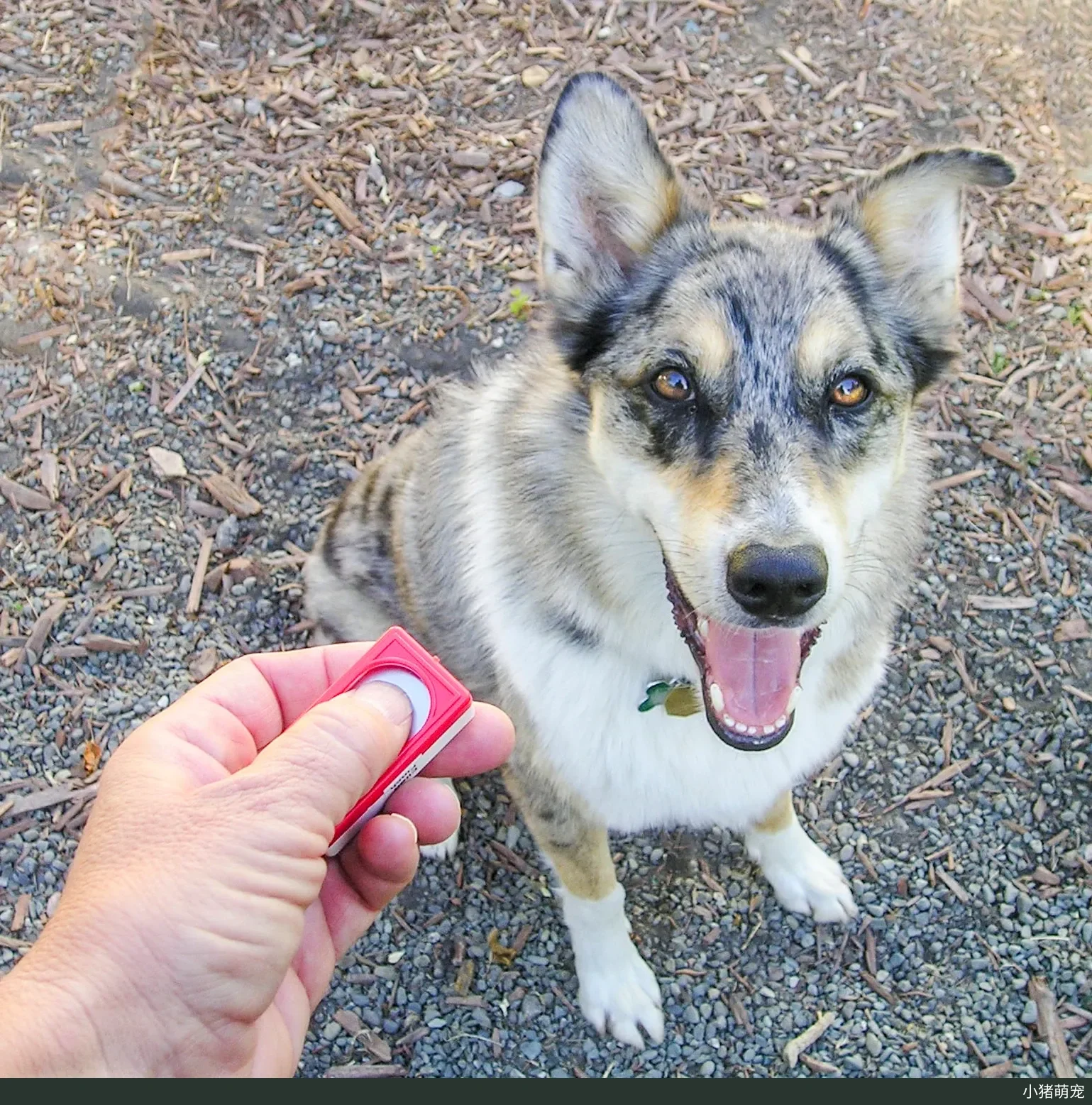
Australian Shepherd Tika in clicker training—a positive-reinforcement method that uses rewards to teach new behavior; the photo itself is not a cooperative-care scene. Image: Elf (Ellen Levy Finch), source Wikimedia Commons, license CC BY-SA 3.0.
By analogy: when trimming a cat’s nails, a common approach is to wrap the cat tightly in a towel; cooperative care is more like agreeing on a “signal” with the cat—paw offered means continue, paw withdrawn means pause—plus treat rewards. That is only an aid to understanding; real training needs gradual steps. This conference mainly serves professionals, but the problems it addresses face every pet household: vet visits, nail trims, grooming, and medication are lifelong necessities. Cross-species exchange matters here too: practices built up in zoos and in horse and parrot training may offer new ideas for everyday dog and cat care.
Also keep the boundaries of this news clear:
- This is a conference preview, not research results, and offers no new evidence on its own; what will be covered and how much it focuses on cooperative care waits on the published schedule.
- The original author is a conference speaker and offers a registration discount—an interested source—though she discloses her speaker role in the piece.
- The IAABC article says “research shows that a sense of control over unpleasant events benefits all animals,” but it is practitioner education and does not list supporting studies item by item; this article did not chase those citations further.
- The same article notes: when an animal’s health or welfare is urgent, switch to low-stress restraint or veterinary sedation, then train slowly for future care after treatment. If a pet already shows strong fear or aggression toward vet visits or touch, consult a veterinarian or a qualified behavior professional first.
References
-
Zazie Todd. The BehavioUr Eh! Conference in Calgary, AB, March 2027. Companion Animal Psychology, 2026-10-07.
-
Chasin’ Tails. Dog Training Events in Calgary | Chasin’ Tails (BehavioUr Eh! 2027 conference page, undated; accessed 2026-10-17).
-
CCPDT. CEU Event: BehavioUr Eh - Calgary, AB - 03/05/2027 (accessed 2026-10-17).
-
CAPDT. Save the date! BehavioUr Eh! is coming to Calgary, March 5 to 7, 2027. LinkedIn (page shows no date; accessed 2026-10-17).
-
Sarah Dixon, Lauren Fraser, Stephanie Edlund. What is Cooperative Care? IAABC Foundation Journal, Issue 10, 2018-11.