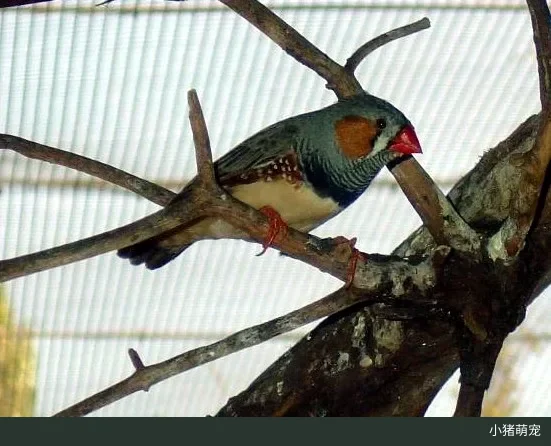
Male zebra finch. Photo: WJMcBride; source: Wikimedia Commons; license: CC BY-SA 3.0, image converted to WebP.

Zebra finches are small, highly social estrildid finches; the Australian form is the one most often kept as a pet. They keep in touch with companions through calls and song, and they need enough horizontal flight space, clean food and water, and a stable environment. Knowing their taxonomy, day-to-day care, and behavior helps you set up a better shared life with these ornamental birds.
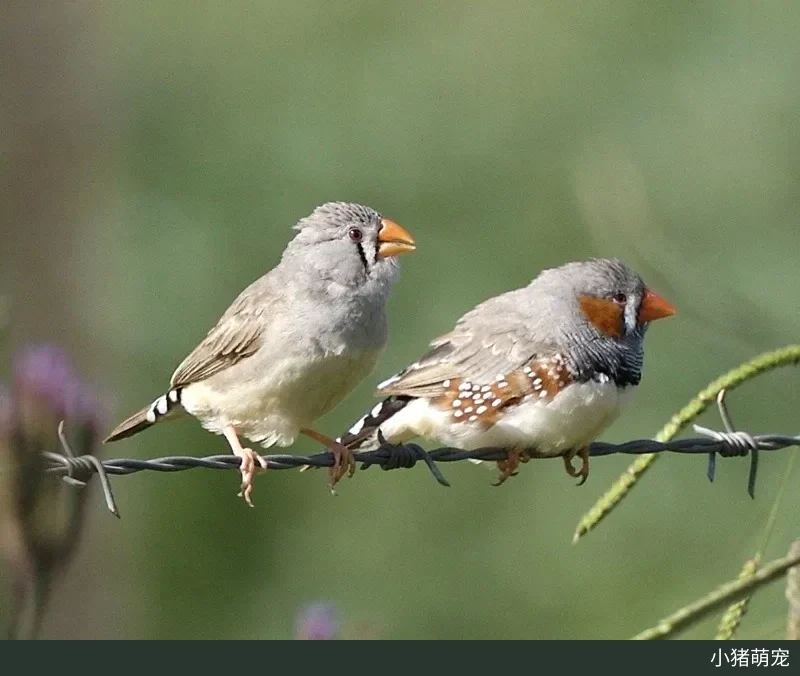
A pair of Australian zebra finches, female on the left. Photo: Lip Kee Yap; source: Wikimedia Commons; license: CC BY-SA 2.0, image converted to WebP.

Taxonomy, range, and appearance
Zebra finches belong to the order Passeriformes, family Estrildidae, genus Taeniopygia. BirdLife splits the traditional zebra-finch complex into the Australian zebra finch (Taeniopygia castanotis) and the Timor zebra finch (T. guttata). The former is widespread across mainland Australia; the latter occurs in the Lesser Sunda Islands. Pets are usually of Australian stock; older or broader sources still use T. guttata, or treat the Australian form as T. g. castanotis.
Adults are about 10–11 cm long and commonly weigh about 10–16 g. In the familiar wild-type color morph, males have orange cheek patches, chestnut flanks with white spots, fine barring on the throat and chest, and a reddish bill; females are plainer, with a more orange bill. Juveniles have darker bills and gradually take on adult coloration as they mature. Captive-bred birds also come in many color varieties.
Social habits and daily care
Zebra finches prefer the company of their own kind and often move in flocks in the wild. Males learn and sing; both sexes use calls to stay in contact or to warn. In the home, keep them as a pair or a same-species small group, and watch whether they coexist calmly. They usually dislike frequent handling; quiet observation and regular care fit this small bird better.
Choose a roomy, elongated flight cage or aviary so birds have horizontal flying distance. Space perches so they are not directly above food and water dishes; offer a shallow bath dish, and clean the cage floor, feeders, and drinkers regularly. Keep the setup away from drafts, kitchen fumes, and aerosols, and keep the environment stable.
Offer a quality mixed seed suitable for small finches, plus safe fresh greens and produce in moderation, and a calcium source; ask an avian veterinarian about extras during breeding or molt. Remove empty husks from the seed dish daily and change drinking water. Do not feed avocado, chocolate, caffeine, alcohol, onion, garlic, or moldy food.
Health and responsible companionship
In the wild, zebra finches often live about 2–3 years; in captivity, about 5–7 years is common, and some individuals live longer. Watch appetite, activity, feathers, and droppings day to day: lethargy, persistent fluffing, labored breathing, refusing food, or diarrhea should prompt a prompt call to a veterinarian experienced with birds. This article is general information and does not replace individualized veterinary care.
Choose captive-bred birds from clear sources, and ask a veterinarian about quarantine and exam plans when introducing newcomers. Wash hands before and after handling birds or cleaning the cage; keepers should also plan for long-term care and proper rehoming—never release a pet bird into the wild.
References
- BirdLife: Australian Zebra Finch
- BirdLife: Timor Zebra Finch
- Animal Diversity Web: Taeniopygia guttata
- AVMA: Selecting a pet bird
- WWF: Zebra finch
- Zebra finch care guide
- Wikimedia Commons: Taeniopygia guttata
References
- Piggy Tuck Pets · Welcome to my pet planet