The Scottish Fold began with a white farm cat named Susie in Scotland in 1961. Round face, round eyes, and small ears folded forward make them look as if they wear a little hat; breed associations also describe them as quiet and people-oriented. But those folded ears come from a TRPV4 gene variant that also disrupts bone and cartilage development. FIFe therefore does not recognize the breed, and veterinary welfare groups such as iCatCare oppose continued breeding.
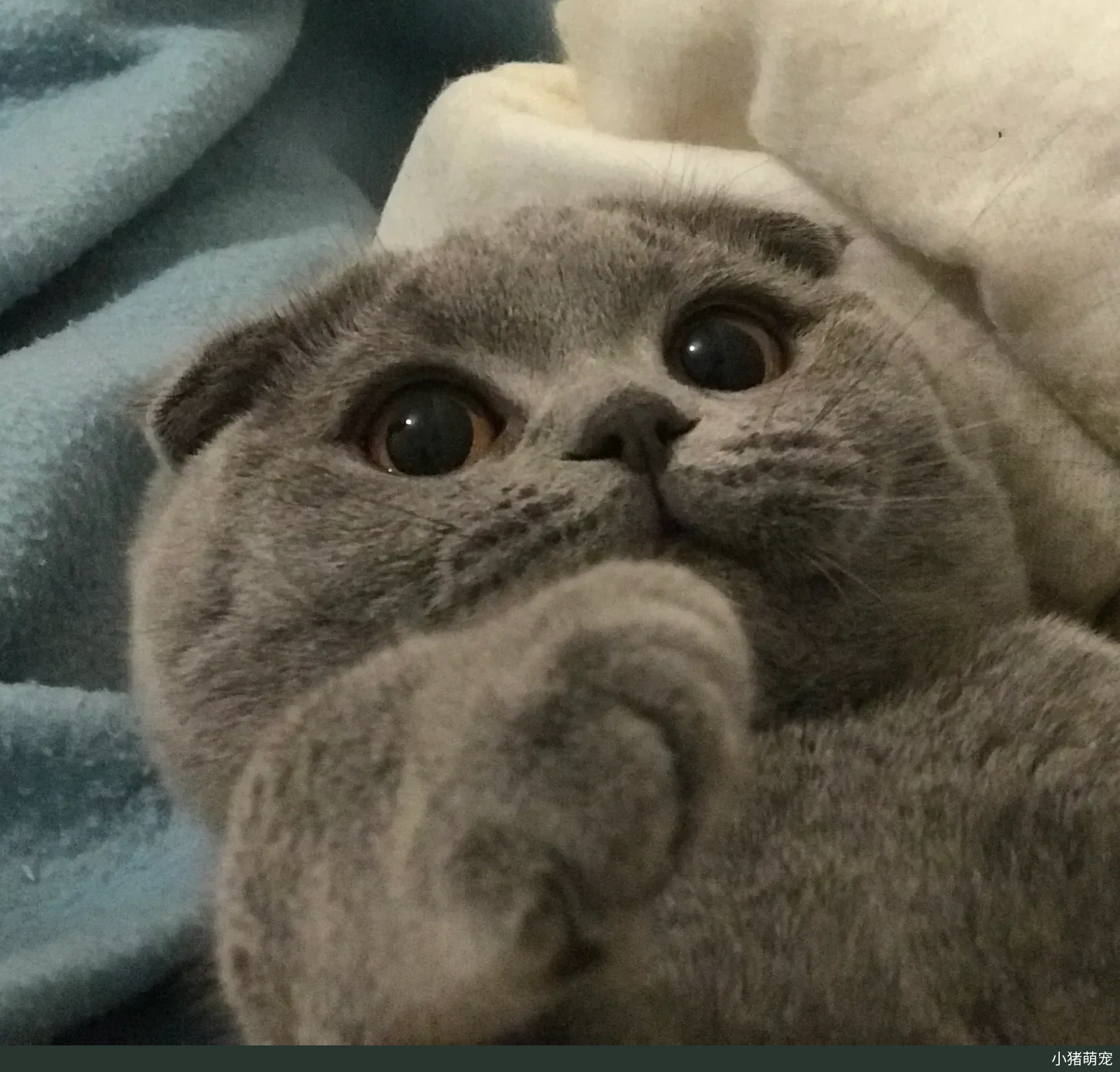
A Scottish Fold. Photo: Sofia Lucas; source: Wikimedia Commons; license: CC BY-SA 4.0.
Origins and appearance
In 1961, shepherd William Ross noticed a white queen named Susie with forward-folded ears on a farm in Tayside, Scotland. Susie produced only one litter; the true foundation queen was her daughter Snooks, who, bred to domestic cats and British Shorthairs, produced folded-ear kittens and established the breed. CFA and TICA standards both state that proper Scottish Folds trace to Susie. In CFA, shorthair Folds gained championship status in 1978 and longhairs in 1992; from 2022 straight-eared individuals are also accepted. In type, associations stress “round”: round head, round eyes, rounded body, folds tight to the skull. Per TICA they are medium cats of about 7–10 lb (about 3.2–4.5 kg), in short and long coats, with many colors and patterns. An easy-to-miss detail: kittens are born with straight ears; around three weeks of age, those carrying the fold gene begin to fold. TICA notes that about half a litter are usually folds, the rest straight-eared.
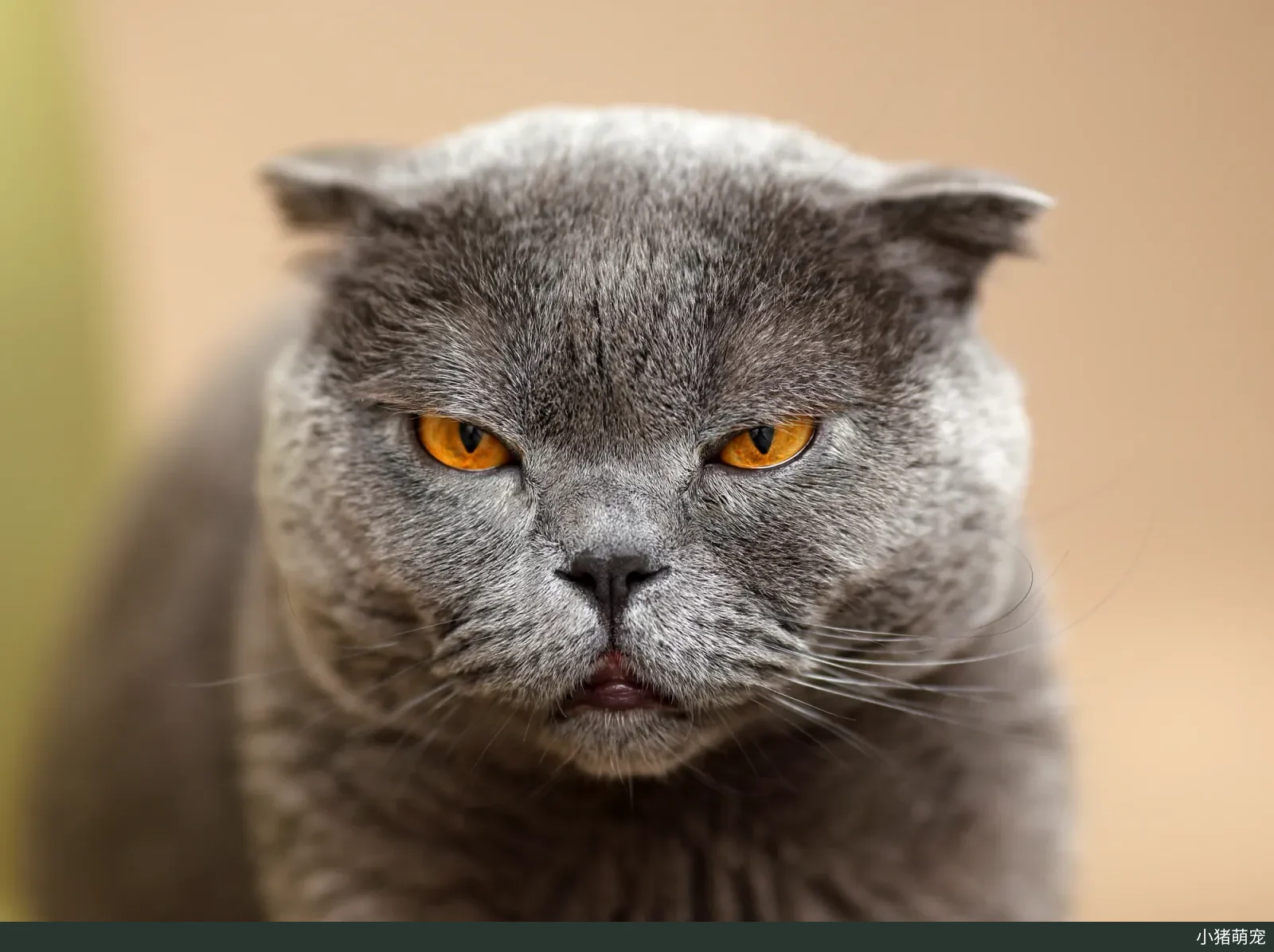
Scottish Fold. Photo: Vladimir Pustovit (Flickr user be creator); source: Wikimedia Commons; license: CC BY 2.0.
Temperament and living with them
Per CFA and TICA, Scottish Folds are quiet, home-loving companions: they follow the household around, chat softly, and rarely get in the way; smart and curious, they can learn simple tricks such as fetching, and often sit up prairie-dog style to watch new sounds. They usually get along with children and other pets, though they may be reserved with strangers and unfamiliar cats, and they are not suited to long stretches alone. These are association summaries of breed tendencies; individual temperaments differ.
Folded ears and osteochondrodysplasia
Folds worry people because ears and joints share the same “fault.” A 2016 genome-wide study of 44 Scottish Folds and 54 controls found that both folded ears and osteochondrodysplasia track a dominant TRPV4 variant (c.1024G>T), absent in 648 unaffected cats. Osteochondrodysplasia means abnormal bone and cartilage development, often at the distal limbs and tail, and can progress to joint damage. Cats with two copies are severely affected, so breeders usually mate folds to straight-eared cats; CFA also recommends that plus DNA testing. But one copy is not “safe”: in a 2008 Japanese pedigree study, every fold showed distal fore- and hind-limb lesions of varying degree—mild cases may show no clinical signs. Newer results are more mixed: a 2021 blinded radiographic study found 10 folds scored worse on average than straight-eared cats, but signs were much milder than earlier reports; a 2023 study of 12 folds found clinical signs in only one. Both samples were small and follow-up limited—they do not prove “folds are fine.” In daily life, pain signs flagged by iCatCare include reluctance to move, stiff gait, lameness, trouble jumping up or down, hiding, reduced appetite, less grooming, or eliminating outside the litter box; TICA also acknowledges that this degenerative joint disease often involves the tail, ankles, and feet, and recommends screening for hypertrophic cardiomyopathy (HCM) and polycystic kidney disease (PKD). Institutions disagree: CFA and TICA still recognize the breed; FIFe expressly does not recognize cats whose breed hallmark is osteochondrodysplasia—such cats may not be bred, registered, shown, or promoted; iCatCare holds that continuing to breed cats with a known pain-causing mutation is unethical.
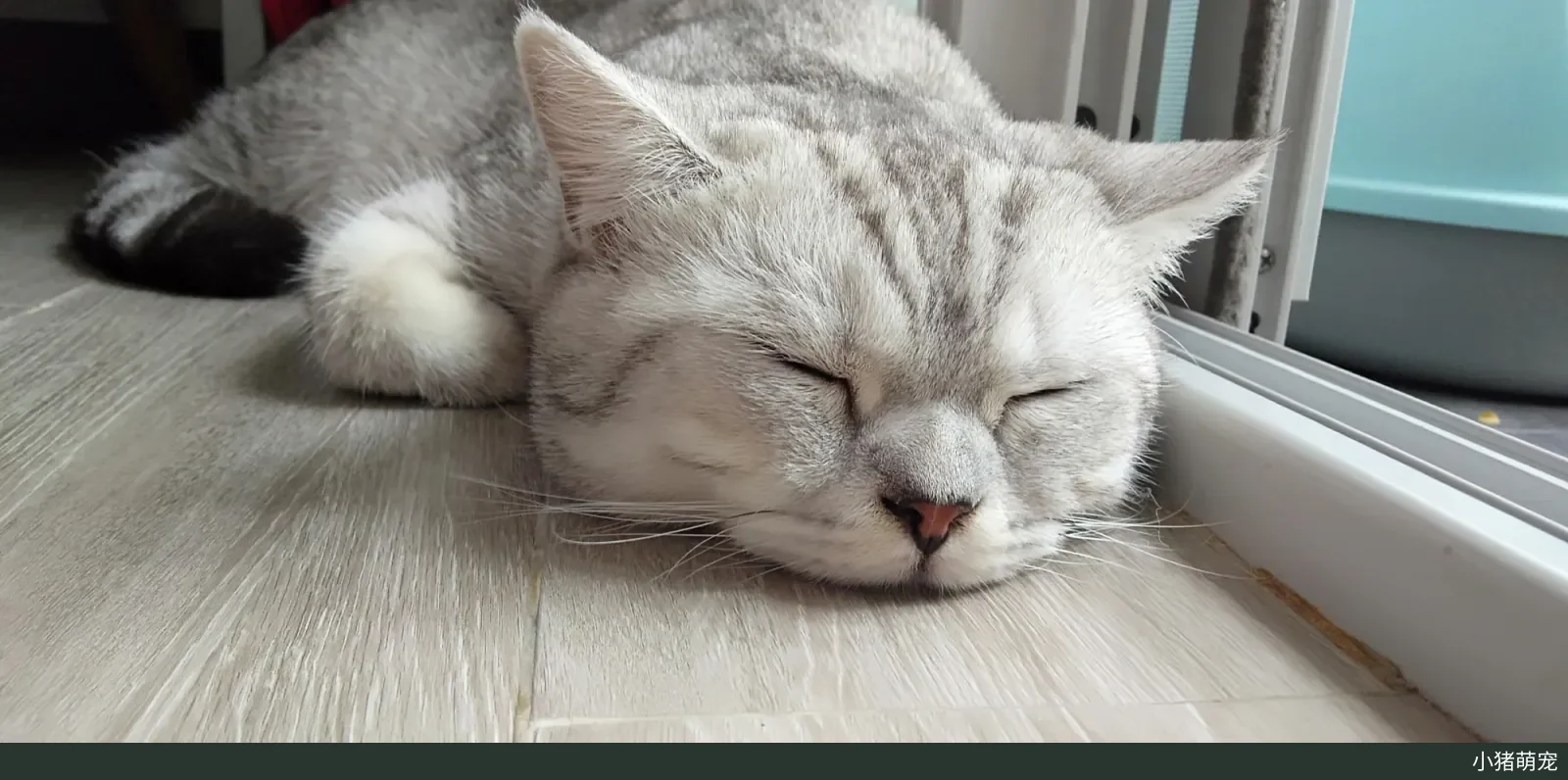
Per the uploader, a Scottish Straight sleeping prone: same breed as the Fold, but with erect ears. Photo: Joefrance1995; source: Wikimedia Commons; license: CC BY-SA 4.0.
Care essentials
Day-to-day grooming is simple: brush shorthair Folds weekly, longhairs more often, with heavier shed in spring and autumn. TICA notes a good appetite and relatively low activity—control diet, play interactively, and avoid obesity. For Folds, watching joints matters more: be gentle with the tail and in play; if the tail is stiff or painful to touch, or if the pain signs above appear, see a veterinarian early. Osteochondrodysplasia itself is not curable; veterinarians can use medication to manage pain. At home, iCatCare suggests placing beds low or with steps, adding ramps to favored high spots, switching to low-sided litter boxes, elevating food and water bowls, and laying non-slip rugs on smooth floors so cats with sore joints move more easily.
References
-
The Cat Fanciers' Association (CFA). Scottish Fold. Accessed 2026-10-17.
-
The International Cat Association (TICA). Scottish Fold. Accessed 2026-10-17.
-
Fédération Internationale Féline (FIFe). Health & Welfare Rules. Accessed 2026-10-17.
-
International Cat Care (iCatCare). Scottish Fold osteochondrodysplasia. 2024 (updated 2025-09-26).
-
Gandolfi B, et al. A dominant TRPV4 variant underlies osteochondrodysplasia in Scottish fold cats. Osteoarthritis and Cartilage, 2016, 24(8): 1441–1450.
-
Takanosu M, et al. Incomplete dominant osteochondrodysplasia in heterozygous Scottish Fold cats. Journal of Small Animal Practice, 2008, 49(4): 197–199.
-
Rorden C, et al. Radiographical Survey of Osteochondrodysplasia in Scottish Fold Cats caused by the TRPV4 gene variant. Human Genetics, 2021, 140: 1525–1534.
-
Sartore S, et al. Osteochondrodysplasia and the c.1024G>T variant of TRPV4 gene in Scottish Fold cats: genetic and radiographic evaluation. Journal of Feline Medicine and Surgery, 2023, 25(12).