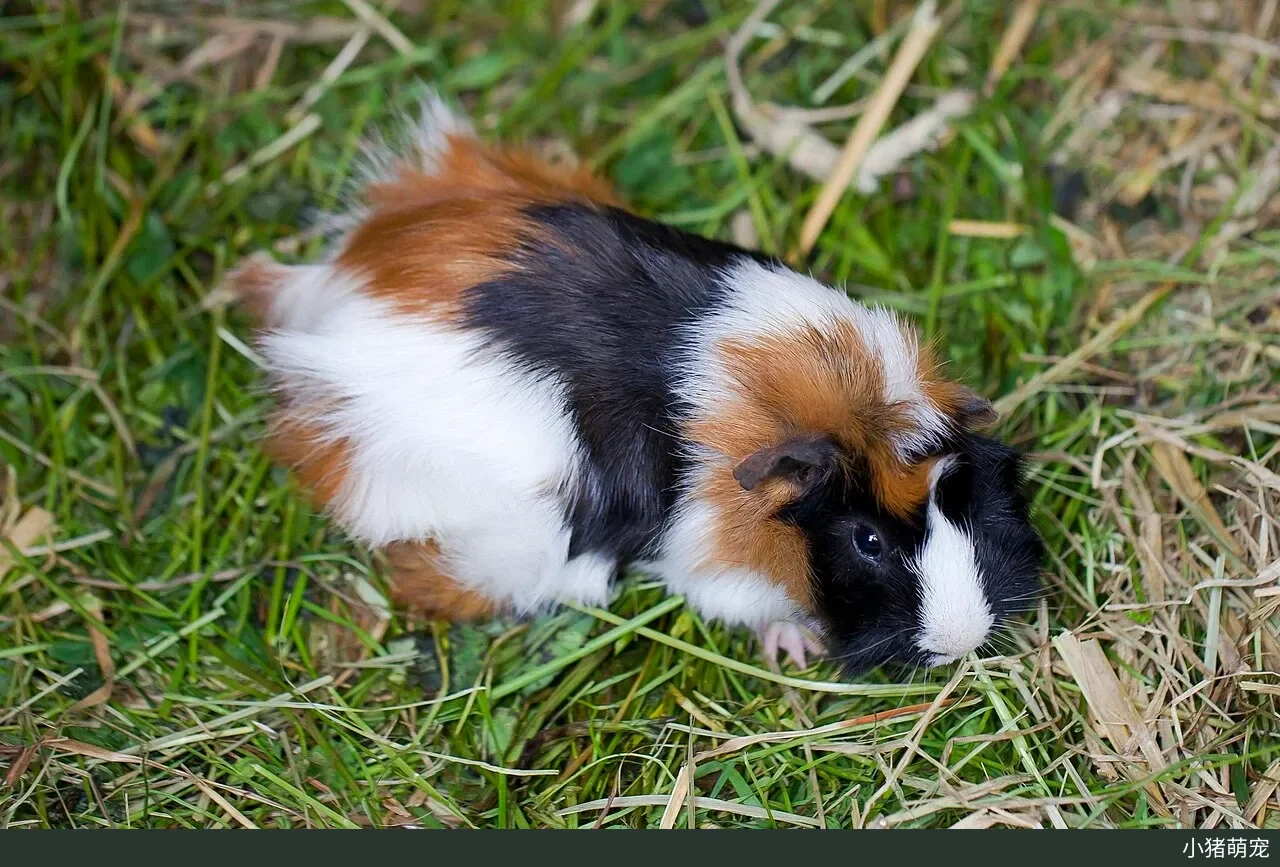
A domestic guinea pig, photographed at Hellabrunn Zoo in Munich, Germany. Photo: Diego Delso; source: Wikimedia Commons; license: CC BY-SA 3.0
The guinea pig (Cavia porcellus)—also called a cavy—is a domesticated rodent that originated in the Andes of South America; there is no wild population of this species. They live in groups, “chat” a lot, have teeth that grow for life, and cannot make their own vitamin C, so they need companions, hay, and daily vitamin C. Drawing on veterinary manuals, animal-welfare organizations, and official documents, this article covers habits, husbandry, health, and legal points.
Natural habits and social needs
Guinea pigs are caviid rodents native to South America; in English they are also called cavies. The Merck Veterinary Manual notes that the domestic guinea pig as a species does not exist in the wild; its wild relatives live on grasslands and eat grass and leaves. The RSPCA (Royal Society for the Prevention of Cruelty to Animals) describes its origin as Andean grasslands and lower mountain slopes. The American Society of Mammalogists’ Mammal Diversity Database (MDD) lists the montane guinea pig (Cavia tschudii) of the Andes as the wild type of the domestic guinea pig.
Adult guinea pigs weigh about 815–1000 g and measure 20–50 cm long, with no visible tail. On lifespan, Merck gives 5–8 years; RSPCA says usually 5–6 years, with some individuals longer. They may be active for up to 20 hours a day and sleep only in short naps.
Guinea pigs are naturally social. RSPCA notes that wild guinea pigs live in family groups of 5–10; a lone pet grows lonely, and long isolation can lead to abnormal behavior—so keep at least one compatible companion. They squeal, chirp, and make tooth-chattering sounds like soft purring; when excited they hop and twist in place—“popcorning.” They are prey animals; many predators are birds, so a hand coming from above easily startles them. When picking one up, approach low from the front, support the chest with one hand and the hindquarters with the other.
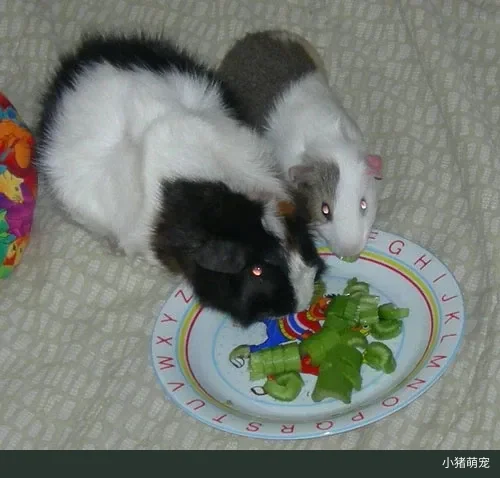
Two boars. Guinea pigs are social; RSPCA recommends keeping at least two together. Photo: The undertow; source: Wikimedia Commons; license: CC BY 3.0
Housing and daily diet
Living space: Many store-bought cages are too small for guinea pigs. The Merck Veterinary Manual professional edition (reviewed May 2026) recommends at least 7.5 square feet (about 0.7 m²) for one animal, plus about 2–4 square feet (about 0.19–0.37 m²) for each additional animal; the pet-owner edition cites cage height of about 46 cm. RSPCA stresses enough room to run and to stand fully upright on the hind legs. Floors must be solid and flat—no wire bottoms that injure feet; ventilation must be good; glass aquaria are not advised. Merck also warns against exercise wheels and against housing guinea pigs with rabbits in the same cage, because some diseases can pass between them.
Temperature and bedding: The Merck pet-owner edition suggests 18–24°C, away from direct sun and drafts; RSPCA warns that above 26°C heatstroke is possible and below 15°C chill is likely. Keep bedding dry; recycled paper is safest. Avoid cedar, untreated pine, sawdust, cat litter, and cotton fluff that shreds into fine threads. Views on wood shavings differ (Merck professional edition advises against them; RSPCA accepts dry, dust-free shavings)—beginners can prefer paper bedding. Provide more hides than animals—for example at least four for three pigs. RSPCA suggests spot-cleaning daily and a thorough clean at least weekly.
Hay is the staple: Guinea pigs are obligate herbivores with continuously growing teeth; quality grass hay should be available at all times. Merck professional edition’s rough daily amounts are: a pile of hay about the size of the animal, 1–2 teaspoons of guinea-pig pellets, and 1–2 cups of fresh vegetables; animals under 6 months and those pregnant or nursing need alfalfa hay and matching pellets. RSPCA recommends fresh grass daily when possible, but not clippings from a lawn mower.
Daily vitamin C: Guinea pigs lack the enzyme to make vitamin C and must get it from food every day. Merck professional edition cites needs of 10–25 mg/kg/day for adults, and 30 mg/kg or more for growing, pregnant, nursing, or sick animals. Vitamin C in pellets breaks down with heat, light, and moisture, so RSPCA advises offering a fresh portion of pellets each day rather than continually topping up the bowl. Bell peppers, parsley, and tomato are high in vitamin C and good to rotate; kale, spinach, and broccoli are also rich, but RSPCA considers their sugar or calcium high and suggests small amounts a few times a week. Merck professional edition advises against dissolving vitamin C in drinking water—it needs frequent changes and may make water unpalatable, reducing intake; the pet-owner edition also notes that multivitamins are usually not recommended.
Limit sweet foods: Fruit and carrots are high in sugar; RSPCA allows only occasional small amounts, while Merck professional edition advises against sugary foods such as berries, oranges, and carrots. RSPCA’s “do not feed” list includes iceberg lettuce, potato, garlic, avocado, coconut, and citrus. Water must be always available; with bottles, change water often and check the spout; transition diets gradually.
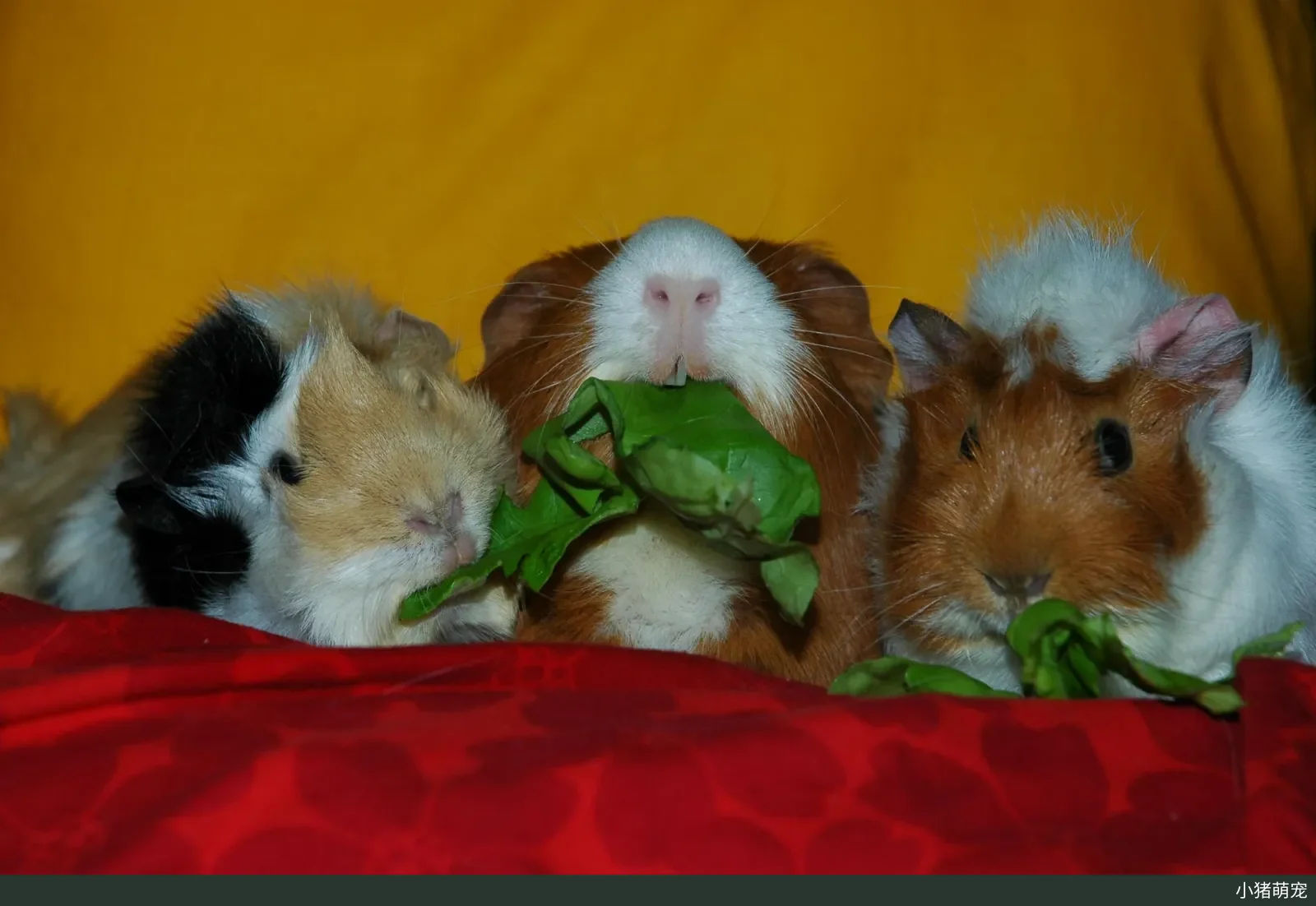
Three guinea pigs eating dandelion. Photo: Miriam Kaefert; source: Wikimedia Commons; license: CC BY-SA 2.0 DE
Common health problems
The Merck Veterinary Manual’s main guinea-pig problems include:
- Dental disease: Incisors and cheek teeth grow for life. Too little hay, genetics, or vitamin C deficiency can cause malocclusion, with drooling, weight loss, oral bleeding, and root abscesses. Problems often sit deep in the cheek teeth—normal-looking incisors do not mean all is well.
- Digestive problems: Too little hay or too many pellets upset gut flora, causing diarrhea, gas, and loss of appetite; some animals worsen fast or die suddenly. RSPCA warns that feces stopping or dwindling, or soft stool stuck to the rear, means call a veterinarian at once.
- Vitamin C deficiency (scurvy): Rough coat, lameness, swollen joints, subcutaneous bleeding, weight loss, and diarrhea; severe cases can be fatal.
- Respiratory disease: Common and fast-moving; pneumonia is an important cause of death, especially in young pigs. Eye or nose discharge, sneezing, or breathing difficulty needs immediate care.
- Reproductive problems: Ovarian cysts are common in sows over 1 year. Pelvic cartilage hardens with age, dystocia risk rises, and maternal survival after cesarean is poor; if you do not plan to breed, house sexes apart or neuter.
- Urinary stones: A 2025 study cited by Merck professional edition found guinea pigs that routinely ate seven or more kinds of produce had clearly lower risk of clinical uroliths—suggesting dietary variety helps urinary health.
Drugs need special care: many antibiotics safe for other pets destroy guinea-pig gut flora and can cause severe diarrhea or death. Never self-medicate; if the animal stops eating, drools, or breathes oddly, see an exotic-pet veterinarian promptly.
Legality, conservation status, and ethics
International conservation status: The domestic guinea pig is a domesticated species. In CITES Appendices valid from 5 March 2026, the Rodentia entries do not include Caviidae, so domestic guinea pigs are outside CITES trade controls. Its wild type, the montane guinea pig (Cavia tschudii), is Least Concern on the IUCN Red List (2016 assessment).
Rules in China:
- Guinea pigs are not on the 2021 National Key Protected Wild Animals List, nor on the National Catalogue of Livestock and Poultry Genetic Resources (33 domestic livestock and poultry) published by the Ministry of Agriculture and Rural Affairs in 2020.
- The National Forestry and Grassland Administration’s Notice on Standardizing the Scope of Classification Management for Wildlife Prohibited from Being Eaten (Lin Hu Fa〔2020〕No. 90), issued 30 September 2020, places guinea pigs among 19 “Category II” animals: farming for food is banned; farming for medicine, display, research, and other non-food purposes is allowed. The notice also states that terrestrial wildlife kept as pets and for similar purposes fall outside the “wildlife prohibited from being eaten” scope.
- Whether personal pet keeping or commercial breeding needs other permits can vary by locality; this article found no nationwide personal-keeping registration rule—confirm with local forestry/grassland or agriculture/rural authorities.
- Per GACC Announcement No. 5 of 2019, live animals carried in by individuals are limited to dogs or cats; guinea pigs cannot enter as carry-on pets.
Ethics: Guinea pigs are often a child’s “first pet,” but they live 5+ years and need companions, ample space, daily fresh food, and an exotic-pet veterinarian—the commitment is not small. RSPCA encourages adopting rescued guinea pigs over buying. If you do not plan to breed, separate sexes or neuter—to avoid dystocia risk and surplus litters. When sharing a home with cats or dogs, supervise at all times; RSPCA also advises against housing guinea pigs with rabbits—diet and communication differ, and rabbits may injure guinea pigs.
References
-
Laurie Hess. Description and Physical Characteristics of Guinea Pigs. MSD/Merck Veterinary Manual, updated October 2025.
-
Laurie Hess. Providing a Home for a Guinea Pig. MSD/Merck Veterinary Manual, updated October 2025.
-
Laurie Hess. Common Health Problems of Guinea Pigs. MSD/Merck Veterinary Manual, updated October 2025.
-
Laurie Hess. Nutritional Problems of Guinea Pigs. MSD/Merck Veterinary Manual, updated October 2025.
-
Miranda J Sadar. Housing and Nutrition of Guinea Pigs. Merck Veterinary Manual (professional edition), updated May 2026.
-
RSPCA. Guinea pigs, undated page, accessed 17 October 2026.
-
RSPCA. Making the right home for your guinea pigs, undated page, accessed 17 October 2026.
-
RSPCA. A healthy diet for guinea pigs, undated page, accessed 17 October 2026.
-
RSPCA. Keeping guinea pigs together, undated page, accessed 17 October 2026.
-
Mammal Diversity Database. Cavia tschudii · Montane Guinea Pig, accessed 17 October 2026.
-
Dunnum, J. & Teta, P. Cavia tschudii. The IUCN Red List of Threatened Species, 2016.
-
National Forestry and Grassland Administration. Notice on Standardizing the Scope of Classification Management for Wildlife Prohibited from Being Eaten (Lin Hu Fa〔2020〕No. 90), 30 September 2020.
-
Ministry of Agriculture and Rural Affairs. MARA Announcement No. 303 (National Catalogue of Livestock and Poultry Genetic Resources), 27 May 2020.
-
Ministry of Agriculture and Rural Affairs. Reply to Suggestion No. 8397 of the Third Session of the 13th National People’s Congress, 2020.
-
National Forestry and Grassland Administration and Ministry of Agriculture and Rural Affairs. Announcement (2021 No. 3) (National Key Protected Wild Animals List), 1 February 2021.
-
General Administration of Customs. GACC Announcement No. 5 of 2019 (Further Standardizing Quarantine Supervision of Pets Carried into China), effective 1 May 2019.