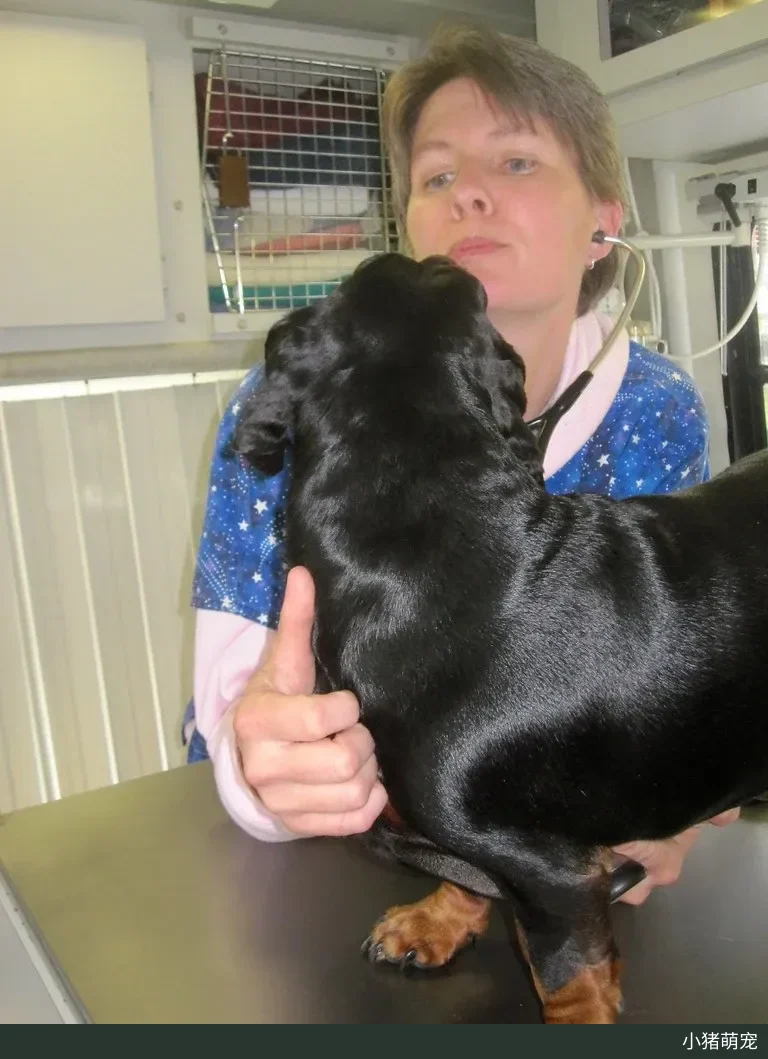
A dog at a veterinary visit. Photo: Tobyotter; source: Flickr, “Vet Visit”; license: CC BY 2.0.
On 21 October 2026, U.S. firm Wedgewood Pharmacy announced a voluntary recall of certain compounded veterinary medications still within expiry; FDA republished the company notice the same day. The recall stems from doubts about the reliability of some laboratory test data, so products may be under- or over-potent. For U.S. households using these drugs, the priority is identifying affected lots and promptly coordinating care with the prescribing veterinarian.
Recall driven by unreliable test data
The company said its own quality processes found inconsistent reliability in some analytical test data, leaving insufficient confidence in those results, and therefore initiated a voluntary recall with FDA’s knowledge. Low potency may make treatment ineffective; high potency may cause toxicity or overdose.
As of the notice, the company said it had received 98 complaints, including 7 serious complaints. Separately, the recall materials stated that, based on information then available, it had not seen an overall increase in complaints or adverse-event reports for the related products.
Affected lots can be checked via official tools
Affected products were shipped from 18 February through 6 October 2026 to veterinary clinics, pharmacies, and other customers nationwide in the United States, in oral, injectable, ophthalmic, otic, and topical dosage forms, among others. Intended use includes companion animals, horses, exotic pets, zoo animals, wildlife, and aquatic animals—not food animals.
Affected customers receive formal recall notices listing products and lots. Wedgewood’s official guidance is that those who have not received a notice identifying held affected lots typically need take no recall action. The official lot lookup supports search by product name, SKU, or lot number and lists corresponding expiry dates; the recall is limited to listed products and lots.
After notice: keep the product and contact the veterinarian
The notice instructs animal owners holding affected product to stop use, retain the product, and contact recall services. Households that receive notice should isolate the product as directed, complete recall steps through the consumer recall information site, and promptly contact the prescribing veterinarian about ongoing treatment. Cornell University College of Veterinary Medicine’s update of 26 October likewise advises owners currently giving affected preparations to dogs to pause dosing, retain the product, and contact recall services and their veterinarian.
Recall service phone: 866-562-5931, Eastern Time Monday–Friday 8:00–21:00 and Saturday 9:00–17:00. Clinics and pharmacies should inventory stock and quarantine affected product; if they have further distributed or compounded from it, they should also identify and notify downstream customers.
The company said it is helping identify clinically appropriate alternatives. Piggy Tuck Pets news does not replace veterinary care. Owners of affected products should stop using them as directed and promptly contact the prescribing veterinarian to decide how to continue treatment safely; do not independently change doses or substitute medicines.
References:
- FDA republication of Wedgewood’s company recall notice (21 October 2026)
- Wedgewood official voluntary recall information
- Cornell University College of Veterinary Medicine recall note (updated 26 October 2026)
References
- Piggy Tuck Pets · Welcome to my pet planet