The Maine Coon is a longhaired domestic cat breed closely tied to New England in the United States, known for a large build, a rectangular body, and a long bushy tail. Breed associations often describe it as a gentle companion that likes to join in household activity, but temperament still varies by individual. Living with one means balancing coat care, interactive activity, and assessment of health risks such as genetic heart disease.
Origins and breed placement
The Maine Coon is a natural breed of North America, usually considered to have originated in the U.S. state of Maine. CFA’s breed profile links its history to New England and records that the brown tabby Maine Coon Cosey was named Best Cat at a U.S. cat show in 1895. Stories about the specific origins of its longhaired ancestors still include legend; tales such as cats belonging to a French queen ending up in the area should not be treated as established fact, and claims of cat–raccoon hybridization are genetically impossible.[1][2]
Appearance
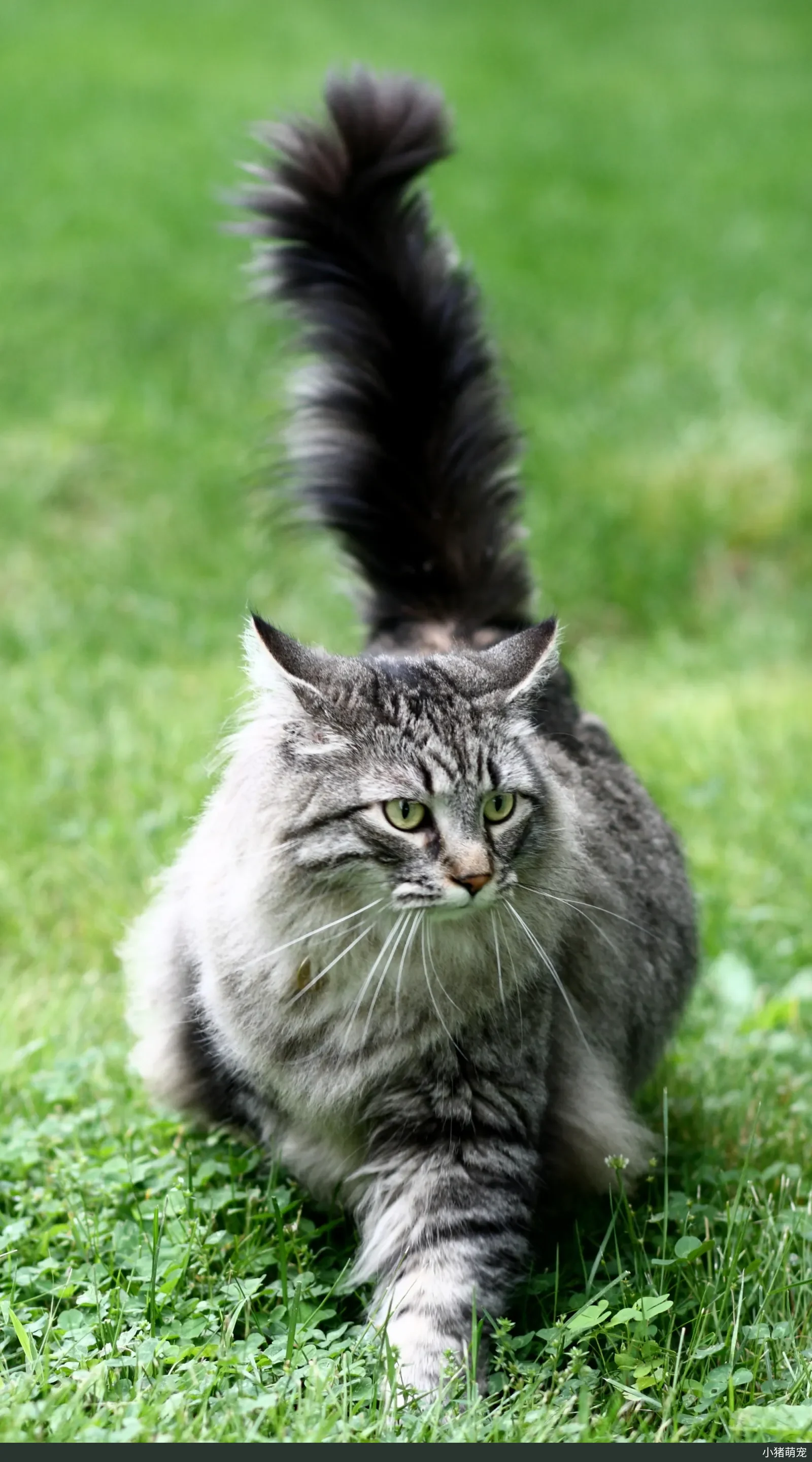
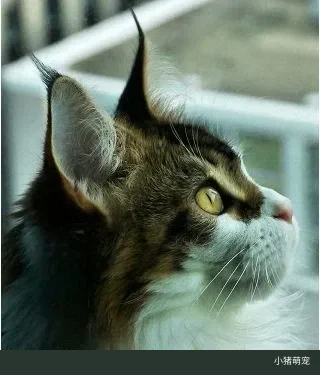
The Maine Coon’s outline tends to be long: a broad chest, a rectangular body, and a long, bushy tail; the head is marked by a squarer muzzle, large ears, and prominent ear tufts. The coat is not the same length everywhere—shorter on the shoulders, longer on the sides, belly, and hind legs—and colors and patterns come in many combinations.[1][2]
It is a slow-maturing breed, but associations do not fully agree on descriptions of maturity age, so one developmental deadline should not be set for every cat. Large does not mean heavier is always better; weight ranges in association profiles are not individual target weights; and photos that look similar alone do not prove pedigree.
Temperament and living together
Both CFA and TICA stress the Maine Coon’s gentle, social side: they may follow family members from room to room and join in play, and they may not always want to sit on a lap. TICA notes that interactive toys can provide both activity and companionship time.[1][2]
These are breed-level tendencies, not promises about any one cat. When choosing a companion, watch how it actually approaches people, responds to touch and toys, and behaves around other animals—do not judge household fit by breed name alone.
Health risks and care points
On health, hypertrophic cardiomyopathy (HCM) is a risk to watch. The UC Davis Veterinary Genetics Laboratory notes that the MYBPC3 A31P variant in Maine Coons is linked to higher HCM risk, but that genetic test covers only this variant; cats that do not carry it can still develop HCM, so a negative result is not equivalent to ruling out all cardiomyopathy.[3]
CFA also lists hip dysplasia among issues of interest in breeding health screening, and mentions hip radiographs and cardiac ultrasound among checks. Sources do not provide prevalence figures that can be applied directly to all Maine Coons today; “breed risk” should not be written as “will inevitably get the disease.” Ask breeders for relevant screening records on the parents, then discuss with a veterinarian what checks an individual needs; this article does not diagnose.[1][3]
Day-to-day care can start with grooming and activity. CFA suggests brushing two or three times a week to help manage shedding and prevent mats; actual frequency still depends on coat condition. Following TICA’s advice, schedule interactive toys and shared play so exercise and companionship are part of daily life.[1][2]
References
-
[1] The Cat Fanciers’ Association: Maine Coon Cat. Breed association source text; supports history, appearance, temperament tendencies, grooming, and screening overview; not a guarantee of individual behavior or prevalence statistics.
-
[2] The International Cat Association: Maine Coon. Breed association source text; supports natural-breed placement, conformation, temperament tendencies, and interactive-activity advice; maturity-age and similar summaries differ from other associations.
-
[3] UC Davis Veterinary Genetics Laboratory: Hypertrophic Cardiomyopathy (HCM) in Maine Coons. Veterinary genetics laboratory source text; supports the A31P variant and testing limits; historical study sample proportions are not current whole-breed prevalence.
-
None of the pages above clearly state a publication date; accessed 26 October 2026; years of papers cited on the pages are not treated as web publication dates.
-
Photo credits: lead image is the adult Maine Coon Halley, photograph by Sage Ross, source Wikimedia Commons, licensed under CC BY 2.5; body close-up is a seven-month-old Maine Coon, photograph by LisaSympson, source Wikimedia Commons, licensed under CC BY-SA 3.0.
-
Piggy Pets · Welcome to my pet planet

